The traditional cycle of identifying a security flaw and waiting weeks for a vendor-issued patch has become a dangerous relic in a landscape where AI-powered attackers strike in seconds. The transition from manual, reactive patching toward cloud-native Autonomous Endpoint Management (AEM) represents the most significant shift in cybersecurity strategy this decade. Understanding the vulnerability exposure window is now a survival requirement, as delayed remediation presents critical risks that manual processes simply cannot mitigate.
As AI-driven threat actors increase the volume and speed of modern cyberattacks, the window for defense has narrowed to an extreme degree. Key market players like Automox pioneered the rise of AI-speed mitigation pipelines to address this specific urgency. By protecting diverse operating system environments including Windows, macOS, and Linux, these autonomous frameworks allow organizations to maintain a robust defense regardless of the underlying infrastructure complexity.
The Paradigm Shift in Endpoint Management and Cybersecurity Resilience
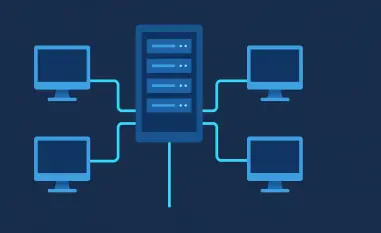
The move toward autonomous systems signaled the end of the era where IT administrators spent their weekends manually deploying updates across thousands of machines. Cloud-native AEM platforms now provide the infrastructure necessary to discover, manage, and secure every endpoint from a centralized, intelligent console. This shift was largely driven by the realization that human reaction times are no longer a match for automated exploitation tools that scan the internet for vulnerabilities the moment they are disclosed.
Furthermore, the impact of these automated threats forced a rethink of what it means to be resilient. Resilience is no longer about having a perfect perimeter; it is about the speed at which a system can return to a known good state after a new threat emerges. Consequently, the industry focused on narrowing the exposure window from weeks down to mere minutes. This rapid response capability became the cornerstone of modern cybersecurity, ensuring that vulnerabilities are addressed before attackers can weaponize them.
Emerging Dynamics in Automated Threat Mitigation
Trends Driving the Adoption of AI in IT Operations
The evolution of Worklets as automated scripts for instant configuration and temporary workarounds allowed IT teams to stay ahead of the curve. These scripts enable immediate mitigation for vulnerabilities that do not yet have an official patch, providing a proactive security posture that was previously impossible. This trend reflects a broader move away from waiting for vendor updates toward taking immediate, scripted action to harden the environment.
Moreover, the rise of Human-in-the-Loop AI ensured that high-velocity automation did not come at the cost of stability. By balancing automated generation with rigorous testing and human verification, organizations avoided the pitfalls of unvetted code. This convergence of device configuration, policy enforcement, and patching into a unified autonomous framework created a more cohesive and predictable operational environment for IT departments globally.
Market Projections and the Escalation of Vulnerability Volume
Analyzing the impact of record-breaking CVE releases, such as the frequent cycles of 900 or more vulnerabilities per Patch Tuesday, reveals a clear need for automation. Market projections for Autonomous Endpoint Management suggest a steady growth trajectory through 2030 as enterprises abandon manual scripting in favor of automated orchestration. Data-driven insights show that organizations using AI-driven tools saw a massive reduction in their mean time to remediate (MTTR), making them far less likely to suffer a breach.
Performance indicators for these organizations showed that shifting to automated pipelines did more than just improve security. It also freed up valuable IT resources to focus on strategic initiatives rather than repetitive maintenance tasks. As the volume of vulnerabilities continues to climb, the ability to automate the remediation process will likely become the primary differentiator between secure organizations and those at high risk.
Overcoming Structural and Technical Barriers to Automation
Addressing the trust gap remains one of the primary hurdles for organizations looking to fully automate their security workflows. Strategies for vetting AI-generated code are essential to prevent system downtime and ensure that automated “FixNow” workflows do not introduce new issues. The complexity of managing diverse endpoint ecosystems also requires a platform that can handle the nuances of different operating systems without requiring specialized manual intervention for each one.
Scalability issues in traditional IT departments often slowed down the response to urgent exposures, but automated orchestration solved this by allowing policies to be applied globally in seconds. Despite the move toward full automation, maintaining customer autonomy remains vital. Modern platforms ensured that administrators retained granular control over the execution pipeline, allowing them to choose exactly when and where automated fixes were applied to their most sensitive systems.
Navigating the Regulatory Landscape and Security Standards
The influence of SEC reporting requirements and international regulations like GDPR significantly shortened the acceptable timelines for vulnerability disclosure and remediation. Compliance frameworks such as SOC2, HIPAA, and NIST now place a higher premium on automated activity logs that provide a clear, unalterable trail of security actions for auditing purposes. This regulatory pressure turned AI automation from a technical advantage into a legal necessity for many global corporations.
Furthermore, AI automation assisted organizations in meeting the shrinking grace periods mandated by modern cyber insurance policies. These insurers increasingly demanded proof of rapid endpoint hygiene as a condition for coverage, making automated tools indispensable. The global Secure by Design initiative also influenced management practices, encouraging the integration of automated security checks into the very fabric of the IT lifecycle rather than treating them as an afterthought.
The Future Frontier of Autonomous Cyber Defense
Generative AI began to play a transformative role in interpreting complex vulnerability disclosures in real-time, effectively translating technical advisory notes into actionable code. Potential market disruptors emerged as frontier-model AI was integrated into self-healing IT infrastructures that could identify and fix configuration drifts without any human input. This movement toward Zero-Touch IT aimed for a future where the exposure window would be measured in minutes, effectively neutralizing threats before they could be exploited.
The long-term strategic advantages of unified orchestration became clear as the global threat landscape grew increasingly volatile. By integrating disparate security tools into a single, autonomous defense layer, organizations maintained a consistent posture across all geographical and technical boundaries. This vision of the future suggested that the speed of defense would eventually surpass the speed of attack, fundamentally changing the economics of cybercrime.
Securing the Digital Perimeter Through AI-Driven Velocity
The shift toward AI-driven automation proved to be the most effective way to bridge the gap between vulnerability discovery and remediation. Verified, automated pipelines allowed organizations to maintain resilience even as the volume of threats reached historic levels. IT leaders who embraced these autonomous technologies successfully reduced their operational risks and streamlined their compliance efforts.
The adoption of these technologies suggested a move away from the fragmented, manual approaches of the past. Organizations that prioritized the speed of defense found themselves better prepared for the complexities of a modern, AI-enhanced threat environment. Ultimately, the successful integration of AI into endpoint management became the standard for maintaining a secure and reliable digital perimeter.