Introduction
The intricate fusion of sophisticated digital code and heavy physical machinery has transformed modern factory floors into the most critical battlegrounds for global economic and geopolitical competition. This digital transformation, while driving unprecedented efficiency, has simultaneously exposed industrial operations to a new class of cyber threats that target both intellectual property and the physical integrity of production lines. In 2026, the stakes for the manufacturing sector have never been higher, as the disruption of a single facility can ripple through global supply chains with devastating consequences. Securing this landscape requires a shift in perspective, moving from traditional isolation to a model of integrated resilience and constant vigilance.
This article explores the strategies and frameworks necessary to fortify industrial environments against an evolving threat profile. By examining the convergence of operational technology and information technology, the role of collaborative defense networks, and the implementation of advanced security protocols, readers will gain an understanding of how to navigate these complexities. The objective is to provide a comprehensive guide on managing risks in an environment where connectivity is mandatory and the margin for error is nonexistent.
Key Questions
Why Is the Manufacturing Sector a Primary Target for Global Threat Actors?
The manufacturing industry represents a unique combination of high-value digital assets and physical output, making it an attractive target for both state-sponsored entities and criminal organizations. For a technology and machinery firm like Körber, the risk involves more than just data breaches; it encompasses the theft of sensitive industrial designs and the potential for kinetic disruption of manufacturing processes. As companies across the globe modernize their infrastructure from 2026 to 2028, the financial and strategic value of their production data increases, providing ample motivation for sophisticated cyberattacks.
Threat actors often focus on the sector because of the significant leverage gained by threatening to halt production. Even a temporary shutdown of a major plant can result in millions of dollars in losses and lasting reputational damage. Furthermore, the intellectual property contained within proprietary manufacturing software and automated systems provides a competitive advantage that many adversaries seek to acquire. By targeting these systems, attackers can bypass years of research and development, effectively stealing the technological progress of leading industrial firms.
How Does the Dissolution of the Airgap Change Industrial Security Strategies?
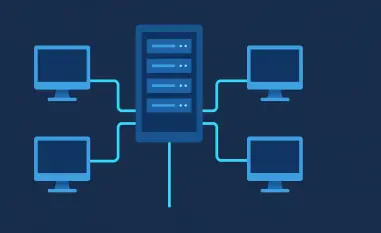
Historically, industrial environments relied on an airgap, a physical separation from external networks, to protect sensitive operational technology. However, the demand for real-time data analytics and remote maintenance has rendered the traditional airgap obsolete. Modern machines must be connected to share performance metrics and receive updates, meaning that the security perimeter has expanded from the factory walls to the cloud. This connectivity creates new entry points for malware and unauthorized access, requiring a total reassessment of defensive boundaries and network segmentation.
The disappearance of the airgap has introduced a maintenance gap, where industrial hardware often remains unpatched due to a lack of specialized onsite technical expertise. Manufacturers are increasingly moving toward managed services where providers take responsibility for remote security updates and vulnerability management. This shift ensures that even as machines become more connected, they do not become easy targets for exploitation. Securing these pathways involves rigorous identity management and encrypted communication protocols to maintain the integrity of the data flowing between the production floor and management systems.
What Role Do Regional and International Alliances Play in Collective Defense?
No single organization can stay ahead of the volume and velocity of modern cyber threats without external collaboration. In 2026, participation in regional alliances like the VDMA in Germany or the European Cyber Security Organisation provides manufacturers with a crucial advantage through shared threat intelligence. These organizations act as a collective sensor network, identifying emerging attack patterns and disseminating mitigation strategies before a localized threat becomes a global epidemic. By pooling resources and information, industrial firms can defend themselves with a speed that matches the pace of their adversaries.
Furthermore, governmental bodies like the Federal Office for Information Security provide the baseline standards that ensure all players in the industrial ecosystem operate with a minimum level of security. These alliances foster a community of trust where sensitive information regarding vulnerabilities can be shared without fear of competitive disadvantage. For global firms, integrating national data with international telemetry allows for a more holistic view of the threat landscape, transforming individual security operations into a unified front against industrial espionage and sabotage.
How Can Manufacturers Ensure Integrity Across the Entire Product Security Lifecycle?
The role of a manufacturer has expanded to include the long-term cybersecurity of the products they deliver to customers. Establishing a dedicated Product Security Incident Response Team is a vital step in managing the vulnerabilities that inevitably emerge in software-defined machinery. This proactive approach ensures that any flaws identified in a product are systematically addressed and disclosed to the end-users. By maintaining transparency, companies build long-term trust and ensure that their equipment does not become a weak link in their customers’ infrastructure.
Internal development processes must also undergo a significant transformation to ensure security is embedded at the earliest stages of creation. Harmonizing the development pipeline across different business units allows for automated vulnerability scanning and consistent security protocols throughout the software lifecycle. This integration, often reflected in high industry ratings like the CyberVadis Platinum medal, ensures that every line of code is scrutinized before it reaches the production environment. Focusing on the security of the supply chain means treating every component, whether physical or digital, as a potential risk that must be verified.
In What Ways Is Artificial Intelligence Solving the Security Math Problem?
The sheer volume of security data generated by a modern manufacturing facility makes manual analysis an impossible task. Security operations centers are faced with an exponential growth in connectivity points and potential vulnerabilities, creating a math problem that only automation can solve. Artificial intelligence is now utilized to process massive datasets in real time, identifying subtle anomalies that would escape human observation. This technology allows for the detection of sophisticated threats that move through a network with a speed and stealth that manual monitoring cannot counter.
By deploying artificial intelligence in the security operations center, manufacturers can transition from reactive to proactive defense. Automated systems can execute immediate containment strategies when a threat is detected, shrinking the window between infection and mitigation. This evolution changes the role of security professionals, who now oversee these automated systems rather than manually responding to every alert. As the interval between vulnerability discovery and active exploitation continues to narrow, the reliance on automated intelligence becomes the only viable way to maintain industrial resilience.
Why Is Honest Board-Level Engagement Fundamental to Long-Term Resilience?
Cybersecurity has transitioned from a technical concern to a foundational element of business continuity and strategic planning. Effective leadership requires a transparent relationship between the Chief Information Security Officer and the board of directors, characterized by absolute honesty regarding current risks and limitations. When the leadership team understands that security is a continuous process rather than a static goal, they are more likely to provide the necessary resources for long-term protection. This cultural shift ensures that security is prioritized alongside production quotas and profit margins.
Advocating for a paradigm shift at the executive level involves presenting cybersecurity as an investment in the company’s future viability. Organizations that treat security as a mandatory business function are better prepared to withstand the inevitable challenges of an increasingly hostile digital environment. This engagement ensures that the strategic vision of the company includes a robust defense of its intellectual property and operational capacity. By fostering a culture of accountability from the top down, manufacturers can build a resilient organization that is capable of navigating the complexities of the modern industrial landscape.
Recap
Securing the modern industrial landscape involves a multifaceted strategy that integrates technology, collaboration, and leadership. The convergence of information and operational technology demands that manufacturers move beyond the concept of an airgap and embrace managed security services to protect their connected assets. Participation in global and regional intelligence-sharing networks provides the necessary awareness to combat sophisticated threat actors who target the manufacturing sector for intellectual property and economic leverage.
Furthermore, the implementation of a rigorous product security lifecycle and the adoption of artificial intelligence in security operations are essential for managing the scale of modern threats. These technical measures are most effective when supported by transparent, board-level engagement that treats cybersecurity as a core component of business resilience. Together, these elements form a comprehensive framework that allows manufacturers to maintain production integrity and protect their competitive advantage in an increasingly digital world.
Final Thoughts
The journey toward industrial cyber resilience was characterized by a fundamental shift in how organizations perceived the relationship between digital security and physical production. Leaders recognized that the traditional boundaries had vanished, requiring a proactive approach that prioritized transparency and automated defense systems. The success of this transition depended on the ability of manufacturers to harmonize their internal processes while engaging with the broader global security community to share critical intelligence.
The industry moved away from reactive measures and embraced a model of continuous preparation and strategic investment. This evolution proved that the safety of the manufacturing landscape was not merely a technical achievement but a result of organizational culture and committed leadership. As manufacturers continue to advance their digital capabilities, the principles of integrated security and collective defense remained the most effective tools for ensuring the stability of the global supply chain. This approach allowed the sector to thrive while effectively navigating the complex challenges of a connected era.