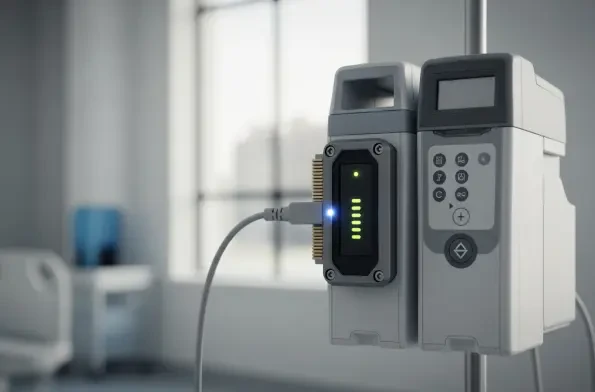
A critical vulnerability within the global healthcare sector has reached a tipping point as digital threats increasingly translate into immediate physical risks for patients throughout the modern medical landscape. Recent industry analysis shows that twenty-four percent of healthcare organizations faced targeted cyberattacks on their medical devices over the past year, marking a significant shift in the risk profile of clinical environments. These incidents are far from minor technical glitches; approximately eighty percent of these breaches resulted in moderate to severe disruptions of patient care. From delayed diagnostic imaging in radiology departments to the forced postponement of life-saving surgical procedures, the impact is felt directly at the bedside. The realization that a remote digital intrusion can halt a ventilator or freeze an infusion pump has forced a massive reevaluation of how hospitals protect their internal ecosystems. Security is no longer just an IT concern but a fundamental pillar of patient safety, requiring a shift in how administrators view interconnected medical hardware as potential entry points for malicious actors.
Procurement Standards and the Legacy Technology Gap
This shifting landscape has sparked a notable tension between evolving procurement standards and the lingering presence of legacy infrastructure within hospital networks. There is a clear trend toward prioritizing cybersecurity during the purchasing phase, with eighty-four percent of organizations now integrating rigorous security requirements into their vendor requests. Furthermore, more than half of surveyed institutions report they have rejected new equipment specifically because of identified security flaws during the vetting process. Despite this proactive stance, the industry remains heavily weighed down by outdated technology that was never designed for the modern threat environment. Roughly forty-four percent of organizations admit they are still operating devices with known, unpatched vulnerabilities, while nearly thirty percent continue to use hardware that has officially passed its end-of-support date. This creates a dangerous paradox where cutting-edge facilities are still reliant on fragile, unshielded tools that lack the necessary encryption or authentication protocols to resist modern brute-force attacks.
Supply Chain Fragility and the Rise of Artificial Intelligence
The threat landscape now extends beyond hospital perimeters to include the manufacturers themselves, revealing deep-seated vulnerabilities throughout the medical supply chain. Recent high-profile breaches at major firms such as Medtronic and Stryker, which involved massive data exfiltration and the forced wiping of corporate hardware, demonstrated how easily the production and support of critical tools can be compromised. Simultaneously, the rapid integration of artificial intelligence introduces a new layer of anxiety for clinical engineers and data scientists. While fifty-seven percent of healthcare providers have adopted AI-enabled systems to improve diagnostic accuracy, eighty percent express significant concern regarding the unknown cybersecurity risks these automated systems might introduce. To address these challenges, stakeholders established more robust runtime protections and prioritized the phasing out of aging assets. Future resilience depended on creating a unified security framework that harmonized software integrity with patient outcomes through continuous monitoring and real-time threat detection.