The unprecedented acceleration of synthetic code generation has fundamentally altered the cybersecurity landscape by introducing a volume of potential entry points that exceeds traditional manual vetting capabilities by several orders of magnitude. Security teams now grapple with a reality where automated systems produce thousands of lines of functional code per second, often carrying subtle, non-obvious flaws that elude standard static analysis tools. This rapid expansion of the digital attack surface is not merely a quantitative change but a qualitative shift in how vulnerabilities are born and discovered. From 2026 to 2028, the deployment of autonomous generative agents in production environments is expected to increase the frequency of critical flaws as these systems prioritize velocity over deep security verification. As these systems become integrated into every layer of software development, the gap between the speed of creation and verification continues to widen significantly.
Automating the Response: The Rise of Autonomous Remediation
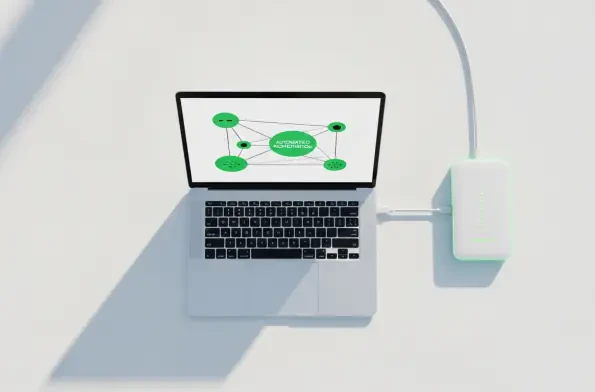
Modern defensive strategies have shifted toward autonomous remediation frameworks that utilize large language models to identify, categorize, and patch vulnerabilities before they ever reach a production environment. Systems like the latest iterations of GitHub Advanced Security and specialized agents from Snyk are now capable of not just flagging a SQL injection risk but also generating a pull request with the corrected code logic. These platforms leverage deep contextual understanding of the codebase to ensure that the suggested fix does not break existing dependencies or introduce performance regressions. This evolution represents a move away from simple signature-based detection toward a more holistic, semantic understanding of software intent. By automating the low-level, repetitive tasks of vulnerability management, these tools allow human security engineers to focus on higher-level architectural risks that require nuanced human judgment and oversight.
Integration of these autonomous agents into the Continuous Integration and Continuous Deployment (CI/CD) pipeline has become a standard requirement for maintaining a robust security posture in the current technological climate. When a developer pushes a change, the AI-driven security layer performs real-time fuzzing and symbolic execution to simulate potential attack vectors, providing immediate feedback rather than waiting for a weekly scan. This shift-left approach is further enhanced by the use of Retrieval-Augmented Generation to cross-reference new code against known global vulnerability databases in milliseconds. Such a high level of integration ensures that the security team is no longer a bottleneck but a facilitator of rapid, secure deployment. Furthermore, these systems are increasingly being trained on private datasets to better understand company-specific coding standards and internal API structures for more accurate and relevant results.
Strategic Evolution: Navigating the New Security Frontier
To navigate this volatile environment, organizations prioritized the development of robust AI governance frameworks that established clear boundaries for autonomous code generation and deployment. It was determined that the most successful defensive postures relied on a human-in-the-loop model, where AI handled the data-heavy scanning tasks while humans performed the final validation of critical security patches. Security teams shifted their focus from manual code reviews to the orchestration of multiple AI agents, ensuring that each tool was correctly tuned to the specific needs of the business. This transition required a significant investment in upskilling existing personnel to understand the underlying mechanics of large language models and their potential failure modes. It was also found that the implementation of real-time behavioral monitoring across internal networks provided a necessary safety net for detecting anomalies that static analysis tools might have missed.
Strategic investments in zero-trust architectures and micro-segmentation became the cornerstone of modern digital defense, effectively limiting the potential impact of any single AI-generated vulnerability. It was concluded that the ability to rapidly isolate compromised systems was just as important as the ability to prevent the initial breach itself. Defenders also championed the use of automated red teaming agents that constantly probed their own defenses to identify weaknesses before they could be exploited by external adversaries. This proactive stance allowed organizations to stay one step ahead of threat actors who were using similar technology for malicious purposes. The sharing of threat intelligence through standardized, machine-readable formats enabled a faster collective response to emerging zero-day exploits across the industry. Ultimately, the survival of human defenders depended on their ability to integrate these technologies into a cohesive and resilient strategy.