Threat Intelligence

With a track record of defending major corporations from sophisticated digital threats, Malik Haidar has a unique vantage point on the evolving landscape of cybersecurity. His work at the intersection of analytics, intelligence, and business strategy gives him deep insight into the tactics of

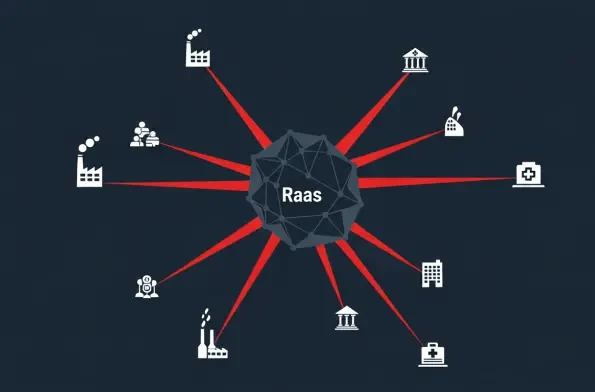
The digital threat landscape has become markedly more dangerous with the arrival of a new ransomware-as-a-service operation, known as Vect, which demonstrates a level of operational maturity and technical sophistication rarely seen in a fledgling group. Its emergence in late 2025 serves as a stark
With a distinguished career spent on the front lines of corporate cyber defense, Malik Haidar has dissected the anatomy of countless attacks, from opportunistic hackers to sophisticated state-sponsored campaigns. His work at the intersection of analytics, intelligence, and security provides a rare,

The familiar voice of a trusted colleague on a video call may no longer be what it seems, as a new wave of sophisticated fraud powered by artificial intelligence is rapidly eroding the foundations of digital trust. An analysis of fraud trends throughout 2025 has uncovered an alarming paradigm shift

The recent unveiling of a sophisticated, multi-layered cyberattack against the AI social network Moltbook has shattered the industry's nascent confidence in the security of autonomous agent ecosystems. A comprehensive analysis has revealed a startling combination of a classic infrastructure

The rapid proliferation of open-weight large language models (LLMs) has democratized artificial intelligence, yet it has also introduced a subtle and insidious security threat that standard evaluations often miss. These powerful systems, which underpin countless applications, could be harboring

Read More