Threat Intelligence

As artificial intelligence systems become deeply embedded in the critical infrastructure of industries ranging from finance to energy, the U.S. National Institute of Standards and Technology (NIST) has addressed the urgent need for a unified security approach with its preliminary draft of the

The rapid democratization of artificial intelligence is no longer a theoretical concern for futurists but a present and escalating reality for national security agencies worldwide. As advanced technologies become more accessible, the long-standing capabilities gap that once separated state actors

The long-held perception of fraud as an unfortunate but manageable cost of doing business has become a dangerously obsolete viewpoint that fails to recognize the threat's profound evolution. Modern financial fraud is no longer a collection of isolated crimes perpetrated by disparate
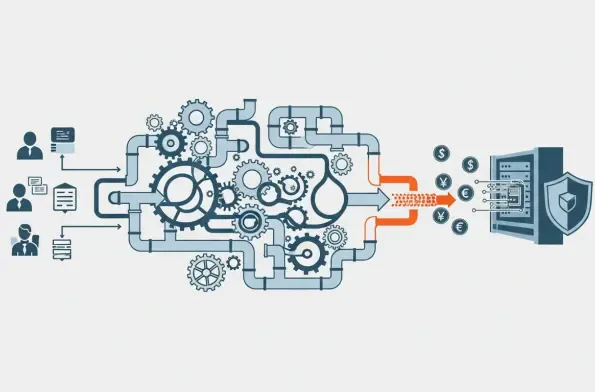
In a decisive move that signals a profound transformation in national cybersecurity strategy, the U.S. Cybersecurity and Infrastructure Security Agency (CISA) has officially retired a sweeping set of ten Emergency Directives issued between 2019 and 2024. This action, representing the largest single

A top-tier open-source intelligence analyst resigns, and overnight, a decade's worth of specialized investigative knowledge walks out the door, leaving behind nothing but a few cryptic, half-finished reports on a shared drive. For many organizations, this scenario is not a hypothetical but a

A comprehensive analysis of major contemporary conflicts has revealed a stark and increasingly undeniable truth: offensive cyber operations, long heralded as a revolutionary tool of statecraft, consistently fall short of their hyped potential to deliver decisive battlefield effects. Despite the

Read More