Identity & Access Management

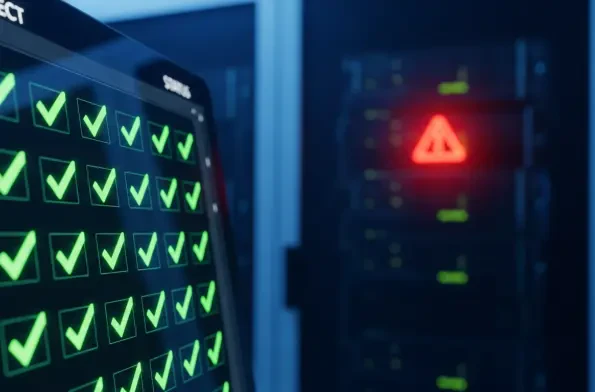
Security professionals frequently encounter dashboards displaying flawless rows of green checkmarks that provide a false sense of security, yet these pristine records can often conceal significant vulnerabilities lurking beneath the surface of an organization. This phenomenon occurs when compliance
The transition from mechanical brass keys to sophisticated digital ecosystems marks a definitive break from the era when perimeter security was defined solely by the thickness of a steel door. In the current operational climate of 2026, industry reports suggest that over sixty percent of corporate
Cybercriminals have shifted their focus toward the supposedly impenetrable fortress of macOS, deploying sophisticated tools such as the Reaper Infostealer to exploit subtle vulnerabilities within the Apple ecosystem. While Apple maintains a reputation for robust security through features like
High-performance quantum computers are no longer confined to the realm of theoretical physics, as their ability to compromise classical encryption algorithms now poses a tangible risk to global digital infrastructures. While current RSA and ECC-based systems provide robust protection against

The traditional method of securing military networks by fortifying the outer perimeter has become increasingly obsolete as cyber threats evolve into more sophisticated, identity-focused attacks targeting vulnerable internal data points. To combat these shifting risks, the Defense Information

The traditional security perimeter has dissolved as modern enterprises navigate a complex ecosystem where identity, rather than physical office walls, serves as the primary gateway to sensitive digital assets and corporate infrastructure. As organizations continue to grapple with the demands of
Read More