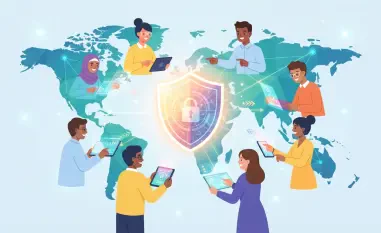
AI in Cybersecurity

The Canto Incognito campaign utilizes a dual-miner approach to diversify its exploitation of server hardware while funneling payouts through the Kryptex mining pool. This sophisticated operation, first identified by security researchers in late 2026, has highlighted a significant shift in the

Autonomous agents often require broad system permissions to be effective, which can inadvertently turn them into a skeleton key for attackers seeking to escalate their privileges. This fundamental transition from passive chatbots to autonomous agentic AI represents a massive shift in corporate

Organizations now face a compressed attack-to-impact timeline where months of planning are distilled into mere hours of automated execution. This shift into the agentic attack era reflects a profound transformation in how digital conflicts are waged, moving away from the slow, deliberate pace of

Industry experts emphasize that telemetry services should never be routable to the public internet and must be bound to a loopback interface or private network. The rapid expansion of artificial intelligence and machine learning infrastructure has introduced a new frontier for cybersecurity risks,
Zero-trust frameworks for autonomous agents require token verification and continuous monitoring to prevent the unauthorized execution of complex digital tasks. The rapid integration of autonomous systems into the federal workflow has altered the cybersecurity landscape, shifting the focus from

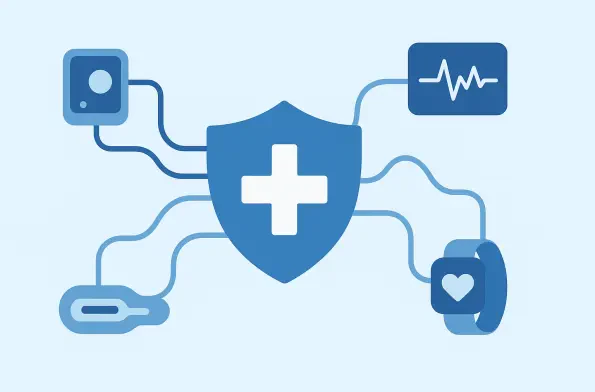
Implementing the FedProx algorithm helps stabilize the learning process across a heterogeneous landscape of medical sensors with varying computational power and data distributions. This advancement is particularly crucial as the healthcare sector continues to embrace the Industry 5.0 paradigm,
Read More