Malik Haidar brings a sophisticated perspective to the table as a cybersecurity veteran who has navigated the high-stakes world of multinational security. With a career built on bridging the gap between deep technical intelligence and strategic business objectives, he understands that modern security is no longer just about locks and keys, but about the integrity of the data protecting them. Today, we explore a landmark achievement in the physical security sector, where Genetec has become the first and only access control vendor to receive qualification from the French National Cybersecurity Agency, known as ANSSI. This discussion delves into the rigorous testing required to meet such high standards, the critical role of secure hardware architecture, and how this recognition serves as a global benchmark for protecting vital infrastructure against an increasingly sophisticated threat landscape.
How does the achievement of becoming the only access control vendor to secure this specific ANSSI qualification change the landscape for how we view physical security integration?
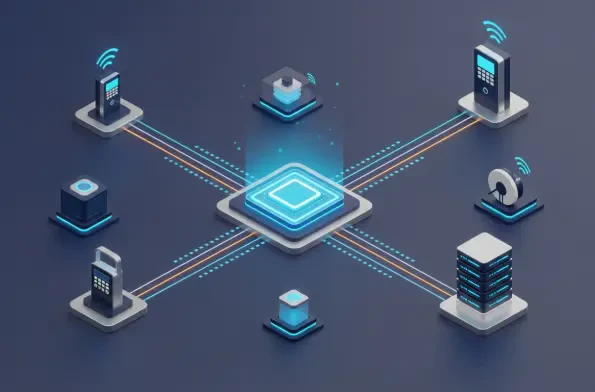
This recognition sets a massive precedent because it effectively bridges the gap between physical hardware and high-level digital integrity. When we talk about the Genetec Security Center Synergis system, we aren’t just looking at a tool that opens doors; we are looking at a system that has been vetted through qualification decision number 2777, proving it can withstand the most rigorous scrutiny. To put this in perspective, while many companies settle for basic certifications, being the “only” one in this category means the industry now has a new gold standard to chase. It forces a shift in mindset where physical security is treated as a critical node in the broader cybersecurity ecosystem, ensuring that every reader, smart card, and cloud link is a hardened asset rather than a vulnerable entry point.
What are the technical nuances that distinguish a standard security certification from the “Elementary level” qualification Genetec has just secured?
The distinction is found in the depth of the commitment and the intensity of the auditing process. A First-Level Security Certification, or CSPN, is essentially a snapshot in time that confirms a product meets specific standards, but a qualification represents a much higher level of assurance. To move from the CSPN they earned in 2025 to this full qualification, the Synergis Cloud Link and the STid secure I/O module had to undergo extensive, long-term testing that goes far beyond a simple checklist. It requires a documented, ongoing dedication to maintaining compliance and robustness, ensuring the system doesn’t just work today but remains resilient against the “sophisticated cyber and physical threats” that evolve over time.
For sectors designated as Operators of Vital Importance, such as healthcare and energy, what does this level of vetting mean for their daily operational security?
For these critical organizations, the stakes are incredibly high, and the ANSSI qualification provides a layer of vetted trust that is legally and operationally significant. In environments like airports or power plants, a breach isn’t just a data leak; it’s a potential threat to public safety, which is why meeting strict French regulatory requirements is so essential. By utilizing the STid SSCP v2 readers and MIFARE DESFire EV2/EV3 smart cards in transparent mode, these operators can feel a sense of relief knowing their architecture is validated by a trusted national authority. This level of cybersecurity rigor allows them to focus on their primary mission, confident that their first line of defense is built on a foundation of “cybersecure solutions” that are compliant with both GDPR and NIS2 requirements.
How do you see this French national qualification influencing the procurement strategies of global organizations that operate outside of Europe?
Even for a company located thousands of miles away from Paris, an ANSSI qualification serves as a globally recognized benchmark for cybersecurity excellence. It sits alongside a prestigious list of other achievements like ISO 27001, SOC 2 Type II, and the DHS Safety Act, creating a “global trust portfolio” that is hard to ignore during the procurement process. International firms often look for these “trust marks” to simplify their vendor selection, knowing that if a system is robust enough for French national security, it can likely handle their corporate needs. This qualification underscores a “long-term commitment” to security that resonates with any Chief Information Security Officer who values standardized, high-assurance protection across their entire global footprint.
What is your forecast for the future of access control systems in the wake of such stringent cybersecurity qualifications becoming the new norm?
I believe we are entering an era where “security by design” will no longer be a marketing buzzword but a mandatory prerequisite for any vendor hoping to stay relevant. We will see a rapid phase-out of legacy, unencrypted hardware as more organizations demand systems that meet the UL 2900-2-3 Level 3 or FICAM standards mentioned in Genetec’s portfolio. The integration of specialized components, like the STid secure I/O module developed specifically for this architecture, will become the blueprint for how hardware and software must interact. Ultimately, the industry will move toward a model where physical access points are managed with the same level of granular, audited intelligence as a high-security data server, making the entire “physical security industry” much more resilient.