An extensive investigation following the November 10 explosion near Delhi’s Red Fort has unearthed a startlingly sophisticated terror operation, compelling the Indian government to impose sweeping new regulations on popular messaging platforms. The probe revealed that a “white-collar” terror cell, comprised of educated professionals including doctors, leveraged a critical vulnerability in applications like WhatsApp and Telegram to communicate covertly with handlers based in Pakistan. This discovery has fundamentally altered the security landscape, prompting India’s Department of Telecommunications (DoT) to mandate that all app-based messaging services must be directly and continuously linked to an active SIM card. This decisive action, rooted in the findings of the investigation, aims to close a dangerous digital loophole that allowed terrorists to operate with a high degree of anonymity, planning attacks and coordinating activities without leaving a traceable digital footprint. The new rule represents a significant shift in how technology and national security intersect, placing new responsibilities on communication platforms operating within the country.
The Anatomy of a High-Tech Terror Operation
The Dual-Phone Protocol
The investigation into the terror cell dismantled a meticulously crafted communication strategy designed to evade surveillance by security agencies. At the heart of their method was a “dual-phone” protocol, which allowed operatives to maintain a convincing facade of normalcy while engaging in illicit activities. Each member possessed a “clean” phone, a standard device registered under their own name and used for all personal and professional communications. This primary device was intentionally kept free of any incriminating activity, serving as a digital smokescreen. It allowed the professionals within the cell to interact with colleagues, family, and friends without raising any suspicion, effectively building a legitimate digital identity that would withstand routine scrutiny. This clever separation of communication channels highlights a new level of operational security among modern terror groups, demonstrating their ability to adapt and exploit the very tools of modern life to conceal their intentions and movements from law enforcement.
Simultaneously, the cell members operated a second, dedicated “terror phone” for the sole purpose of coordinating with their handlers. These secondary devices were equipped with encrypted messaging applications like WhatsApp and Telegram, forming a secure and isolated channel for receiving instructions and reporting progress. To ensure complete anonymity, the SIM cards used in these phones were “ghost SIMs,” which were fraudulently obtained by exploiting the national Aadhaar identification system. A separate criminal enterprise was discovered to be behind the issuance of these SIMs, misusing the identity details of unsuspecting citizens to create untraceable mobile connections. This layered approach of using a clean public-facing device alongside a covert, anonymously sourced device made it exceptionally difficult for intelligence agencies to detect the network’s activities through conventional surveillance methods, showcasing a deep understanding of counter-intelligence tactics. The entire system was designed to sever any link between the operatives’ real-world identities and their clandestine operations.
Exploiting a Digital Loophole
A critical vulnerability exploited by the terror module and their overseas handlers was a specific feature within many popular messaging applications that allowed accounts to remain active even after the physical SIM card was removed from the device. Once an account was registered and verified using a SIM, the app could continue to function over a Wi-Fi connection indefinitely, without the need for the SIM to remain in the phone. This created a significant security blind spot. Terrorist handlers located in Pakistan and Pakistan-occupied Kashmir (PoK) leveraged this gap to maintain persistent and untraceable communication links with the cell members in India. After activating the “ghost SIMs” just once to set up the accounts on the terror phones, the physical cards could be discarded, effectively turning the devices into app-based communicators that were no longer tied to a specific, trackable network provider or cell tower location. This method of operation proved to be a formidable challenge for security agencies attempting to monitor and intercept communications.
The consequences of this digital loophole were severe, enabling handlers to exercise direct command and control over the cell’s activities from a safe distance. Through these secure, SIM-less channels, they provided detailed instructions on a range of illicit tasks, including the assembly of improvised explosive devices (IEDs). Operatives were reportedly guided through the process using online videos and real-time messaging, a chilling example of how easily accessible technology can be weaponized for terrorist training and execution. This constant, untraceable line of communication also facilitated the planning of future attacks and the recruitment of new members, allowing the network to expand its operations under the radar. The discovery that such a fundamental feature of modern communication apps could be systematically exploited to orchestrate acts of terror served as a major catalyst for the government’s subsequent regulatory intervention, highlighting an urgent need to re-evaluate the security protocols of digital platforms.
A Legislative Response to a Modern Threat
Mandating a Digital Tether
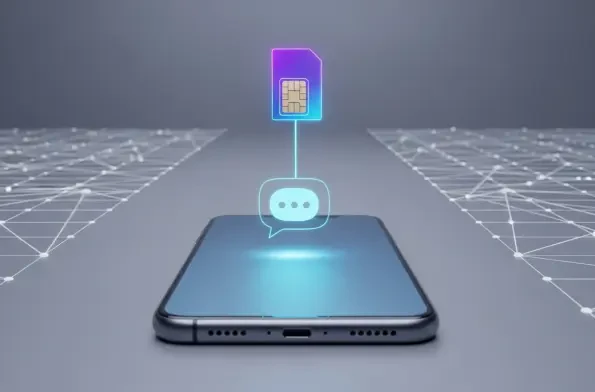
In a direct and forceful response to the security vulnerabilities exposed by the terror plot investigation, the Indian government moved swiftly to amend the operational rules for communication services. Invoking its authority under the newly enacted Telecommunications Act, 2023, the Department of Telecommunications issued a new directive aimed squarely at safeguarding the nation’s telecom ecosystem from further exploitation. The central tenet of this new regulation is the mandatory and continuous linkage of messaging app accounts, such as those on WhatsApp, Telegram, and Signal, to an active, physical SIM card installed within the same device. This rule effectively creates a digital tether between the user’s application identity and their verifiable network identity. The government’s objective is to eliminate the possibility of SIM-less app usage, which proved to be the cornerstone of the terror cell’s covert communication strategy. By enforcing this linkage, authorities ensure that every active messaging account corresponds to a traceable SIM card, thereby enhancing the ability of law enforcement to identify and monitor suspicious activities when legally warranted.
Closing the Communication Gap
The directive mandated a specific technical change that fundamentally altered how these applications function. Platforms were required to implement a system that automatically logs a user out of their account if an active SIM card is not detected in the device. This measure effectively closed the security gap that had been so expertly exploited by the terror cell and its handlers. The previous ability to register an account with a “ghost SIM” and then discard it while continuing to use the service over Wi-Fi was no longer viable. This regulatory action represented a significant step in rebalancing the scales between user convenience and national security. The incident underscored a critical lesson in modern counter-terrorism: that seemingly innocuous technological features could be weaponized with devastating consequences. The government’s decisive move ensured that the digital anonymity that once facilitated untraceable communication for illicit purposes was decisively curtailed, reshaping the operational environment for both technology companies and security agencies.