Modern cyber espionage has evolved into a sophisticated game of cat and mouse where a single unpatched line of code can grant attackers total control over a mobile device without any user interaction whatsoever. As mobile ecosystems have matured through 2026, the focus of cybercriminals has shifted from simple phishing schemes to complex, highly technical zero-day exploits that bypass traditional security layers. These vulnerabilities are particularly dangerous because they remain unknown to the software developers themselves, leaving no immediate defense against an active intrusion. While Android has historically faced criticism for fragmentation, current iterations of the operating system have integrated deep architectural shifts designed to neutralize entire classes of bugs. Nevertheless, the constant arms race between security researchers and state-sponsored threat actors ensures that no device is ever truly invulnerable, forcing a paradigm shift in how users perceive safety.
Hardware-Anchored Defenses: The Front Line of Mobile Security
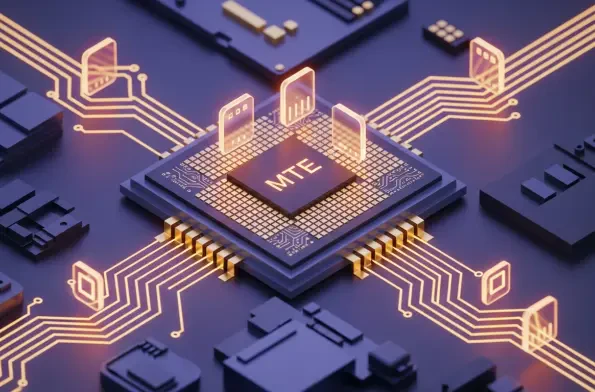
One of the most significant advancements in protecting modern hardware involves the implementation of Memory Tagging Extension, or MTE, which has become a standard feature in high-end processors by 2026. This technology works by assigning a unique four-bit metadata tag to every memory allocation, ensuring that any attempt to access a memory block with a mismatched tag results in an immediate exception. By stopping memory corruption bugs at the hardware level, manufacturers have effectively neutralized a large percentage of heap-based buffer overflows that were previously the backbone of zero-day exploits. This shift is critical because it moves the burden of security from reactive software patching to proactive hardware enforcement, making it significantly more expensive for attackers to develop viable exploit chains. However, even with MTE, secondary components like cellular modems and graphics drivers often operate with higher privileges, creating specialized corridors that determined adversaries continue to probe.
Building on this hardware foundation, the shift toward memory-safe languages has transformed the way core operating system components are written and maintained within the broader ecosystem. Traditionally, Android relied heavily on C and C++, which are notorious for memory management errors, but the current integration of Rust for critical system services has drastically reduced the presence of low-level vulnerabilities. By enforcing strict ownership and borrowing rules during the compilation phase, developers have eliminated many of the use-after-free errors that characterized early mobile exploits. Furthermore, the introduction of protected kernel-based virtual machines, or pKVM, has allowed the system to isolate sensitive processes into high-security enclaves that are invisible even to a compromised kernel. This architectural isolation ensures that even if a zero-day exploit succeeds in gaining entry, the most valuable data, such as cryptographic keys and biometric templates, remains locked away.
To address these persistent threats, security professionals implemented a multi-layered defense strategy that prioritized frequent firmware audits and the use of hardware-backed security modules. It became clear that relying solely on monthly security patches was insufficient, so organizations shifted toward an approach of continuous monitoring and the deployment of Zero Trust architectures on mobile endpoints. Users who sought the highest levels of protection avoided sideloading applications from unverified sources and maintained strict control over the permissions granted to their software. This proactive stance helped mitigate the risks associated with silent, zero-click vulnerabilities that targeted media codecs and wireless protocols. By treating every connection as potentially hostile and leveraging the advanced hardware protections available, it was possible to maintain a robust defense against even the most sophisticated actors. Ultimately, the successful management of mobile security required a commitment to hygiene and a realistic understanding of the threats.