The faint electronic click of a door unlocking has long been the familiar sound of corporate security, a simple binary function of access granted or denied, but this perception is rapidly becoming a relic of a bygone operational era. For decades, organizations viewed access control as a necessary but static expense—a locked door with a digital key, fundamentally disconnected from the vibrant, data-driven ecosystem of the business it was meant to protect. This perspective, however, overlooks a profound transformation occurring within the architecture of intelligent buildings. What was once a standalone security function is now evolving into the central nervous system of an organization, a dynamic platform capable of integrating disparate systems, automating complex workflows, and unlocking unprecedented operational efficiencies that directly impact the bottom line. This shift requires a fundamental reevaluation, moving the conversation about access control from the security office to the boardroom, where its potential as a core strategic asset can be fully realized.
When You Consider Your Building’s Access Control, Do You See a Necessary Expense or a Competitive Advantage?
The traditional view of access control frames it squarely as a cost center, an unavoidable line item in the budget dedicated to mitigating risk by keeping unauthorized individuals out. This mindset limits the system’s potential to its most basic function: perimeter defense. When seen through this lens, the primary metrics for success are the absence of breaches and the durability of hardware. The system operates in a silo, its data confined and its utility untapped beyond the simple act of securing a physical space. This perspective fails to recognize the wealth of operational data the system generates with every swipe, tap, or biometric scan.
In contrast, a forward-thinking approach reimagines access control not as a sunk cost but as an active investment in operational intelligence. By shifting the focus from merely securing doors to optimizing the processes that happen behind them, the system becomes a source of immense value. It transforms into a powerful tool for understanding building occupancy, managing energy consumption, streamlining visitor management, and automating routine tasks. This modern paradigm posits that the true return on investment for an access control system is measured not just in thwarted intrusions but in reduced operational overhead, enhanced employee productivity, and the creation of a more responsive and efficient business environment.
The Shifting Landscape: Why Your Security System Is No Longer Just About Security
The era of isolated, single-purpose security systems is drawing to a close, replaced by a new model defined by integrated intelligence. Previously, access control, surveillance cameras, alarm systems, and building automation operated as separate entities, each with its own software, database, and management protocols. This fragmentation created significant inefficiencies, requiring manual data reconciliation and preventing a holistic view of building operations. Today, the convergence of these once-siloed systems is not just a trend but a strategic imperative, driven by the demand for smarter, more connected, and more efficient building management.
This convergence represents a competitive edge for businesses ready to embrace it. Unifying physical security with IT infrastructure and building automation creates a single, cohesive ecosystem where data flows freely between systems. An access control event, for instance, can trigger a chain of automated actions: activating specific cameras, adjusting lighting and HVAC settings in a room, and logging the event in an HR database. This level of integration, powered by platforms built on open architecture, allows organizations to move beyond reactive security measures and toward proactive operational management. The result is a system that not only enhances safety but also reduces energy costs, optimizes space utilization, and provides the comprehensive data needed for informed strategic decision-making.
Redefining Value: How Access Control Drives Core Business Operations
The value proposition of modern access control extends far beyond the physical door, unlocking significant operational efficiencies and tangible cost reductions across an entire organization. By integrating with other business systems, access control becomes a catalyst for automation. For example, linking the system to human resources software can automate the entire employee lifecycle, from instantly provisioning access credentials upon hiring to automatically revoking them upon departure, thereby eliminating manual data entry and reducing the risk of human error. Similarly, integration with energy management systems allows for intelligent control of lighting and climate based on real-time occupancy data, directly translating into lower utility bills.
At the heart of this transformation is the concept of open architecture, which allows the access control platform to function as the building’s central nervous system. Systems built with open Application Programming Interfaces (APIs) can seamlessly communicate with and unify disparate third-party systems, from legacy hardware to modern IoT devices. This flexibility prevents vendor lock-in and allows an organization to build a customized, best-of-breed solution without needing to rip and replace existing infrastructure. An open platform can synchronize data from external sources, centralizing control and creating a single source of truth for all building-related activities, which is critical for maintaining operational agility and corporate resilience in a competitive landscape. This shift moves the industry away from inflexible, one-size-fits-all products toward tailored solutions that solve specific operational challenges, turning a security expenditure into a strategic investment.
From Theory to Practice: Real-World Examples of Access Control as a Strategic Asset
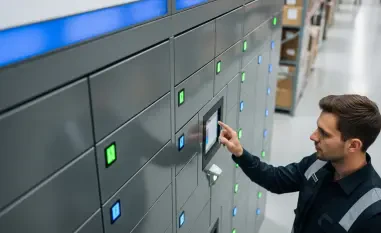
The theoretical benefits of integrated access control are being realized today across diverse industries, creating new business models and delivering substantial returns. In Iceland, Hótel Hálönd leveraged an integrated system to pioneer a fully automated, self-service guest experience. By connecting its booking platform directly with the access control system, the hotel automatically issues a single digital key to guests for entry to the main building, their room, and equipment lockers. This innovation eliminated the need for a traditional front desk, allowing the hotel to operate a staff-light model that significantly reduces overhead while offering a modern, convenient experience.
This strategic application extends to critical infrastructure and government, where efficiency and public safety are paramount. A major North American transportation agency transformed its de-icing system management by implementing a unified platform for remote monitoring. This gave technicians real-time visibility into crucial metrics like fluid levels and temperature, replacing a manual process and generating massive labor savings over a decade while ensuring public safety on roads and bridges. Similarly, the City of Parramatta in Australia centralized control for 110 different sites onto a single platform. This unification of access control, alarms, and facility bookings streamlined government operations, enabled faster incident response from a 24/7 security center, and improved energy efficiency through integrations with lighting and HVAC systems. These cases demonstrate that a unified system is not just a security upgrade but a foundational element of modern, efficient operations.
A Practical Framework: Transforming Your Access Control from a Cost Center to a Value Driver
Transitioning an access control system from a simple expense to a value-generating asset requires a deliberate and strategic approach. The foundational step is to conduct a thorough audit of the current operational ecosystem to identify existing inefficiencies and information silos. This involves mapping out all distinct systems—from physical security and HR to building automation—and understanding where communication breakdowns and manual processes create bottlenecks or security vulnerabilities. This initial assessment provides the critical baseline needed to formulate a targeted integration strategy.
With a clear understanding of the existing landscape, the next priority is to champion integration through open platforms. Organizations should standardize on solutions that feature open APIs, which provide the flexibility to connect with a wide array of third-party hardware and software. This focus on interoperability is crucial for future-proofing the investment and avoiding the restrictive, proprietary ecosystems that limit functionality. Success should then be defined by metrics that extend beyond security, such as reduced energy consumption, improved space utilization, or faster employee onboarding. This requires a shift in mindset, where the primary goal is not just to buy a security product but to solve core operational problems. Ultimately, this journey is best undertaken with a partner, not just a product vendor—a provider whose solutions are scalable, adaptable, and capable of evolving alongside the business’s long-term strategic objectives.
The journey from a siloed security apparatus to an integrated operational hub was a response to the growing complexity and interconnectedness of modern business. It showed that the true potential of technology was unlocked not by individual components but by their seamless unification. By recognizing access control as the potential core of this unified system, organizations discovered a powerful lever for driving efficiency, reducing costs, and creating smarter, more responsive environments. The examples of businesses and government agencies that successfully made this transition provided a clear blueprint, demonstrating that a strategic investment in an open and flexible platform yielded returns that extended far beyond the traditional scope of security. This evolution proved that the question was no longer about affording a better lock but about leveraging a smarter key to unlock enterprise-wide success.