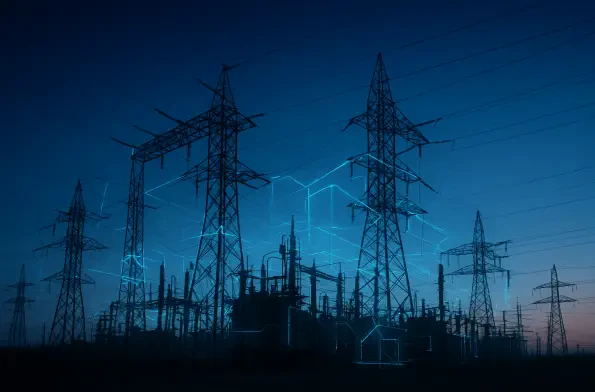
The flicker of a monitor in a small British control room signaled more than just a routine glitch this past August, marking the moment a foreign adversary successfully paralyzed a piece of the nation’s power grid. For four days, the facility remained dark, not due to mechanical failure or storm damage, but because of a calculated digital intrusion linked to Iranian state actors. While the immediate impact was localized, the breach shattered the long-held assumption that the United Kingdom’s energy sector was a fortress impenetrable by secondary geopolitical players.
This incident serves as a stark reminder that scale does not dictate significance in the world of modern cyber warfare. Although the public may find comfort in the fact that the lights stayed on in major cities, security officials recognize this as a sophisticated “dry run” for future operations. The ability to manipulate physical infrastructure from thousands of miles away represents a shift from data theft to tangible sabotage, proving that theoretical threats have now become an operational reality for British citizens.
The Four-Day Blackout That Rewrote the UK’s Security Playbook
The quiet disabling of this domestic power facility has immediate and profound implications for national security policy. In the past, small-scale disruptions were often dismissed as minor nuisances, but this specific attack revealed a chilling level of precision in how Iranian hackers bypassed perimeter defenses. The four-day outage forced a total re-evaluation of how the government protects the physical components of the grid from invisible, code-based weaponry.
The “small-scale” nature of the attack provides a false sense of security for the British public, masking the true extent of the vulnerability. By choosing a less vital target, the attackers were able to test their capabilities without triggering a full-scale military or diplomatic retaliation. This strategy of “salami slicing” tactics allows foreign adversaries to successfully manipulate physical infrastructure incrementally, eventually building the expertise needed to strike the heart of the national economy.
The Fragility of Interconnected Critical National Infrastructure
The modern energy landscape operates as a complex web of dependencies where a single point of failure can ripple through water treatment plants and transportation networks. This digital “domino effect” means that an attack on a power plant is never an isolated event but a potential trigger for a wider collapse of critical national infrastructure. As systems become more integrated to improve efficiency, they simultaneously become more susceptible to cascading failures that foreign intelligence services are eager to exploit.
Geopolitical dynamics have shifted the UK from the periphery to the center of Iranian cyber targeting, particularly due to ongoing logistical support for Western operations in the Middle East. While a 2025 Intelligence and Security Committee report suggested a lower level of risk at that time, the landscape has shifted rapidly over the last twelve months. The escalation indicates that diplomatic and military stances in the physical world now carry immediate and severe consequences for the digital safety of domestic utilities.
Identifying the Weakest Links in the National Energy Ecosystem
One of the most pressing concerns for defense analysts is the “visibility gap” that exists among smaller, private utility providers. These operators often function below the mandatory reporting thresholds set by the government, allowing successful breaches to go undocumented and unaddressed. This lack of transparency creates a massive blind spot, as attackers realize they can infiltrate the national grid through these side doors without alerting central security agencies or the public.
Furthermore, the persistent reliance on legacy hardware creates an environment where 21st-century warfare is fought against 20th-century defenses. Many facilities utilize industrial control systems that were never designed to be connected to the internet, yet they were retrofitted for convenience without adequate patching. These aging components serve as a “proof of concept” for state actors who use minor facilities to refine the tools they intend to deploy against more vital, high-value targets.
Expert Perspectives on the Evolving Cyber Battlefield
James Griffiths, a former advisor to GCHQ, noted that chronic under-investment in infrastructure modernization left the gate wide open for intrusion. He argued that failing to prioritize cybersecurity as a core component of utility management created a backlog of vulnerability. The focus on short-term costs over long-term resilience essentially subsidized the success of foreign cyber units, as the aging grid became a playground for state-sponsored experimentation.
Graeme Stewart highlighted the systemic nature of these risks, noting that digitally intertwined sectors make total isolation impossible. This sentiment was echoed by Muhammad Yahya Patel, who warned that the frequency of attacks is likely higher than official figures suggest. By targeting smaller entities, adversaries gathered intelligence and established persistence within the UK’s networks, waiting for the opportune moment to strike at more critical nodes within the energy sector.
Reforming Defense: From Total Prevention to Resilient Recovery
The response to this breach required a fundamental shift in strategy, moving away from the futile goal of total prevention toward a framework of rapid containment. Security experts advocated for the implementation of mandatory stress tests that simulated high-intensity state-sponsored attacks on every level of the energy sector. This approach ensured that when intrusions occurred, the focus remained on operational continuity rather than just closing the breach after the damage was done.
Strategic investment from 2026 onward finally bridged the gap between legacy systems and modern security standards, prioritizing the replacement of unpatchable hardware. Lawmakers expanded reporting requirements to include smaller operators, effectively eliminating the blind spots that previously allowed attackers to hide their tracks. These actions transformed the national defense posture, turning a moment of extreme vulnerability into a catalyst for a more resilient and hardened domestic infrastructure.