Malik Haidar has built a career at the intersection of high-level digital security and corporate intelligence, helping multinational firms navigate the complex world of modern threats. His approach focuses on the synergy between advanced technology and business strategy, ensuring that security measures are not just barriers but enablers of efficiency. In this conversation, we explore the shifting landscape of residential access, focusing on how mobile-first solutions are replacing traditional physical keys to provide residents with unprecedented control. By examining the integration of video intercoms, time-limited credentials, and smartphone apps, we discuss how these innovations solve the logistical headaches of modern urban living while offering developers a powerful tool for market differentiation and long-term security.
Residents often struggle with coordinating deliveries or service technicians while they are away. How is modern remote access technology changing the way we handle these everyday logistical hurdles?
We are seeing a massive shift where the smartphone becomes the central hub for the home, even when the resident is physically miles away. Through the My2N App, we have essentially eliminated the anxiety of a missed delivery or the risk of leaving a physical key under a doormat for a technician. When a courier rings the entrance intercom, the resident receives a video call directly on their phone, allowing them to see and speak with the visitor before deciding whether to unlock the entrance or even a second door further inside. For situations arranged in advance, residents can send a time-limited PIN or a unique QR code that remains valid only for the specified period. This ensures that a service provider can enter only when they are supposed to, and the access can be revoked instantly if plans change, keeping the resident in total control of their perimeter.
From a security standpoint, innovation can sometimes lead to complexity that frustrates the user. How do you ensure that these advanced access systems remain reliable and intuitive for the average resident?
The true value of innovation is found when the technology works predictably and securely without adding unnecessary layers of complexity to a person’s day. According to the philosophy of reliable innovation, advanced technology should not be an end in itself but a tool to deliver an intuitive experience. Residents need to be able to verify a visitor easily and grant access with a single touch, which is why the interface must mimic the familiar actions we already perform on our smartphones. When a system is reliable, it removes the friction from security, making it a natural part of the user experience rather than a digital hurdle. By focusing on a predictable operation, we ensure that residents actually use the security features provided, which is the most critical factor in maintaining a safe building environment.
We are seeing a significant move away from physical access cards toward mobile and wearable devices. How does this transition change the daily rhythm of life within a modern residential complex?
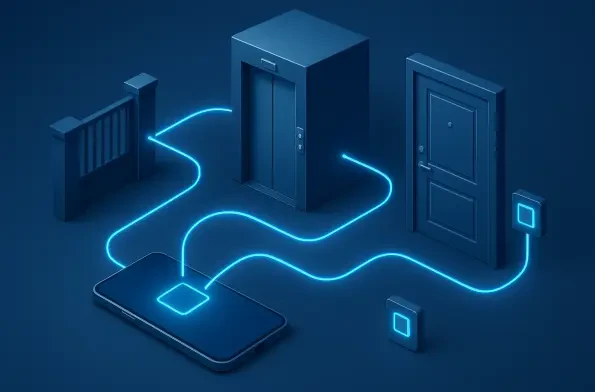
Transitioning to mobile access is about more than just ditching a piece of plastic; it is about integrating security into the natural flow of a resident’s daily movements. By using a smartphone or even an Apple Watch as a primary credential, the act of entering a building or an elevator becomes a seamless gesture that requires no extra effort. Depending on the specific 2N solution selected, these systems can include IP intercoms at the main entrance, access units at other doors, and even integration with supported lift systems for access to designated floors. This creates a cohesive security environment that follows the resident as they move through the property, removing the need to carry a separate access card. It makes the daily routine feel more fluid and modern, as the technology recognizes the resident’s device and grants access automatically.
Developers are increasingly looking for ways to make their properties stand out in a competitive market. Why is a sophisticated access solution considered a strategic advantage rather than just a basic building utility?
For a developer, the access system is one of the most practical features they can offer because it addresses the real-life situations residents face every single day. By choosing a well-designed access solution, developers are not just installing hardware; they are shaping the entire user experience and how people will interact with the building for years to come. This becomes a clear point of differentiation because the benefits—like remote unlocking and visitor management—are easy to demonstrate to potential buyers who value convenience. Furthermore, selected products can be integrated with third-party home automation systems, allowing the building’s access technology to talk to other systems within the development. This level of foresight in the planning phase helps set a project apart in the market by offering a high-tech, integrated lifestyle that residents can feel and experience daily.
The real test of any security system often comes when the owner is away for an extended period, such as a vacation. How do these remote capabilities provide peace of mind in those high-stakes scenarios?
A vacation is a perfect example of when the value of remote access becomes most tangible for a homeowner. Whether it is an important delivery arriving unexpectedly or a service technician needing entry for a repair, the resident does not have to be physically present or rely on a neighbor for help. Through the app, they can verify the visitor over a high-definition video call and unlock the door remotely, whether they are at work or traveling abroad. The ability to create a time-limited PIN for someone coming to water the plants ensures that the home remains secure without the resident ever having to hand over a physical key. This functionality turns a potential security vulnerability into a managed situation, providing a level of control that traditional access methods simply cannot provide.
What is your forecast for residential access security?
I expect we will see a deeper movement toward completely touchless environments where the building’s ecosystem anticipates a resident’s arrival. We are moving toward a standard where your digital identity—housed in your phone or wearable—will not only unlock the front gate but will also automatically call the elevator to your specific floor and signal your home automation system to prepare your apartment. Security will become less about stopping people at a door and more about the intelligent management of movement through a space, using encrypted data to provide a “frictionless” life. As these systems become more integrated with third-party technologies, the home will become an even more responsive and secure sanctuary that operates based on real-time resident needs.