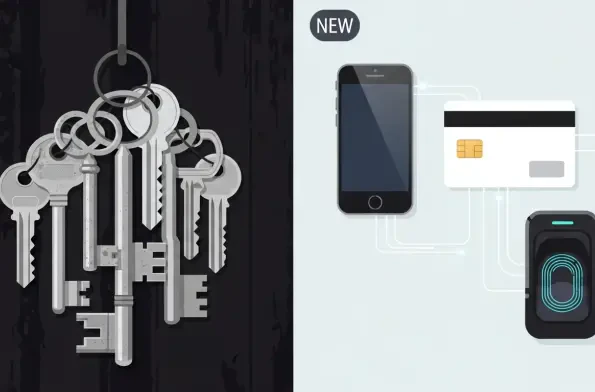
The familiar click of a metal key turning in a lock is rapidly being replaced by the silent, data-driven precision of digital systems that are fundamentally reshaping how organizations protect their most valuable assets. This evolution from standalone mechanical hardware to intelligent, interconnected access control networks marks a pivotal moment for asset protection. It represents a fundamental shift in philosophy, moving security from a simple cost center to a strategic tool that drives efficiency, enhances flexibility, and delivers a clear return on investment.
For modern businesses navigating an increasingly complex world, the appeal of digital security lies in its ability to adapt. Connected systems offer a level of control and insight that was previously unimaginable, providing administrators with real-time information and the power to manage access privileges from anywhere. This transformation is not merely about replacing a key with a card or a smartphone; it is about building a smarter, more responsive security infrastructure that supports and streamlines core business operations.
The Dawn of a New Era in Asset Protection
The journey from traditional mechanical locks to today’s intelligent access control systems signifies more than just a technological upgrade; it represents a fundamental rethinking of how we protect physical spaces and assets. For generations, security relied on the simple yet effective mechanism of a key and a cylinder. However, as businesses grew more dynamic and interconnected, the limitations of this analog approach became increasingly apparent, paving the way for a digital revolution.
This transformation is not just a trend but a necessity for organizations aiming to thrive in a competitive landscape. The growing demand for enhanced operational efficiency, greater flexibility in managing access rights, and a tangible return on security investments has accelerated the adoption of digital solutions. Companies are recognizing that intelligent access control is not merely a defensive measure but a proactive tool for optimizing workflows, reducing administrative overhead, and unlocking new levels of productivity.
From Analog Guardians to Digital Sentinels: A Brief Evolution
Traditional physical security measures, from simple padlocks to staffed security desks, have long served as the primary guardians of our buildings and assets. While reliable to a point, these analog systems are inherently reactive and cumbersome. A lost key could trigger a costly and time-consuming process of replacing multiple locks, while granting or revoking access often required a physical exchange of hardware. In a world defined by speed and connectivity, these static defenses struggle to keep pace with the fluid needs of modern organizations.
The rise of digitalization, fueled by advancements in the Internet of Things (IoT), cloud computing, and mobile technology, provided the catalyst for change. These technologies enabled the creation of security platforms that were not only more secure but also richer in data and deeply integrated. The demand shifted from standalone devices to comprehensive ecosystems that could provide a complete picture of who was accessing what, where, and when, transforming security from a passive function into an active, data-driven component of business intelligence.
Key Innovations Driving the Digital Security Revolution
The digital transformation of physical security is powered by a host of innovative solutions designed to meet the specialized needs of diverse environments. Industry leaders like ASSA ABLOY are at the forefront, developing and integrating technologies that offer unprecedented levels of control and awareness. These advancements are not abstract concepts but tangible tools being deployed to solve real-world security challenges in critical infrastructure, modern residences, and complex commercial facilities.
Comprehensive Protection for Critical Infrastructure
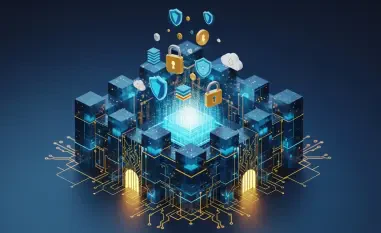
In high-security environments such as data centers, where even a minor breach or environmental anomaly can have catastrophic consequences, access control is just one piece of the puzzle. Advanced solutions must provide holistic protection against a wide spectrum of physical threats. The KentixONE platform exemplifies this integrated approach, merging sophisticated digital access control with comprehensive IoT monitoring capabilities.
This system moves beyond simply securing doors to actively safeguarding the entire environment. It is designed to detect and alert administrators to over 40 distinct physical threats, ranging from unauthorized intrusion and fire to more subtle dangers like power fluctuations, temperature changes, and humidity issues. By consolidating these functions into a single platform, organizations can ensure the complete physical integrity of their most critical assets, from the perimeter fence down to individual server racks.
Smart Access for Modern Living and Workspaces
The demand for convenience and flexibility has driven innovation in both multi-residential properties and dynamic office environments. Digital locking systems like eCLIQ address these needs by replacing mechanical keys with intelligent, programmable electronic keys. Each battery-powered key can be programmed with specific access schedules, granting entry only during authorized times and to designated areas.
This technology offers significant operational advantages. If a key is lost or an employee leaves the company, its access rights can be instantly revoked electronically, eliminating the security risks and high costs associated with changing physical locks. Furthermore, these systems can be seamlessly integrated with other building technologies, such as DoorBird IP intercoms, to create a unified and user-friendly experience for tenants and employees, streamlining everything from visitor management to package deliveries.
The Power of a Unified, Connected Ecosystem
The true power of digital security is realized when disparate devices and systems work together in a single, cohesive ecosystem. Integrated access management platforms such as Incedo® Pro serve as the central nervous system for a building’s security infrastructure, providing a single, intuitive interface to manage a vast array of connected hardware. This unified approach simplifies administration and enhances overall security posture.
Under such a platform, administrators can seamlessly manage everything from award-winning Aperio wireless locks on interior doors to advanced Control ID biometric readers at high-security entry points. By breaking down the silos that traditionally separated different security functions, a unified ecosystem provides a holistic view of the entire facility, enabling faster response times and more informed decision-making.
The Unique Value Proposition of Intelligent Access Control
What truly sets digital security apart from its analog predecessors is its ability to transform an organization’s security posture from reactive to proactive. Traditional systems could only report a breach after it occurred, but intelligent access control provides the data and tools needed to anticipate and mitigate risks before they escalate. This shift is driven by a unique set of differentiators that offer far more than just enhanced protection.
Centralized control allows administrators to manage access rights across multiple sites from a single dashboard, while detailed audit trails provide an unalterable record of every access event for compliance and investigative purposes. Moreover, digital systems are inherently scalable, allowing organizations to easily expand their security infrastructure as their needs grow. This capability is further amplified through seamless integrations with platforms from key partners like Gallagher, Lenel, and Genetec, creating a holistic security environment that aligns with an organization’s broader operational goals.
Digital Security in Action: Current Trends and Future Trajectories
Today, digital physical security is no longer a niche technology but a rapidly expanding standard, particularly in high-growth sectors where the stakes are highest. Data centers and multi-residential properties, for instance, are leading the charge in adoption, driven by the critical need for robust, flexible, and efficient access management. These industries recognize that modern security solutions are essential for protecting both physical assets and sensitive information.
Major industry events, such as the upcoming Intersec 2026 exhibition, serve as crucial platforms for demonstrating the tangible benefits of this digital shift. They provide an opportunity for security professionals, system integrators, and business leaders to witness firsthand how modern solutions deliver a strong return on investment. These showcases highlight the enhanced flexibility, granular control, and command over the total cost of ownership that intelligent access systems provide, reinforcing their value as a strategic business asset.
Reflection and Broader Impacts
The digitalization of physical security has profoundly influenced not only the security industry but also the broader landscape of business operations and technological development. This ongoing transformation involves a careful balance of powerful new capabilities and emerging responsibilities, pushing organizations to rethink their approach to both physical and digital protection in an interconnected world.
Reflection
The strengths of digital security are undeniable, offering unprecedented levels of control, operational efficiency, and actionable data insights. The ability to manage access remotely, generate detailed reports, and integrate with other business systems has unlocked significant value. However, this shift also introduces new challenges. The very connectivity that makes these systems so powerful also exposes them to potential cybersecurity vulnerabilities, demanding a more integrated approach to risk management that bridges the gap between physical and IT security.
Broader Impact
The implications of this trend extend far beyond the security office. Intelligent access control is a cornerstone of the modern smart building, enabling environments that are more responsive, efficient, and user-friendly. The vast amounts of data generated by these systems are becoming a vital source of business intelligence, offering insights into space utilization, workflow patterns, and operational bottlenecks. This convergence of physical security hardware and data analytics is also accelerating the fusion of the physical and cybersecurity domains, creating a new, unified paradigm of organizational resilience.
The Future Is Secure, Connected, and Intelligent
Digitalization is fundamentally redefining the purpose and potential of physical security. What was once a static defense mechanism has evolved into a dynamic, intelligent, and strategic asset capable of enhancing safety while simultaneously driving business value. The transition from mechanical locks to connected ecosystems marks a permanent change in how we protect our most critical facilities and information.
This new paradigm offers more than just stronger doors; it provides deeper operational insight, greater administrative efficiency, and the agility required to adapt to future challenges. For organizations looking to not only safeguard their premises but also unlock new levels of productivity, embracing this connected and intelligent future is no longer an option, but an imperative.