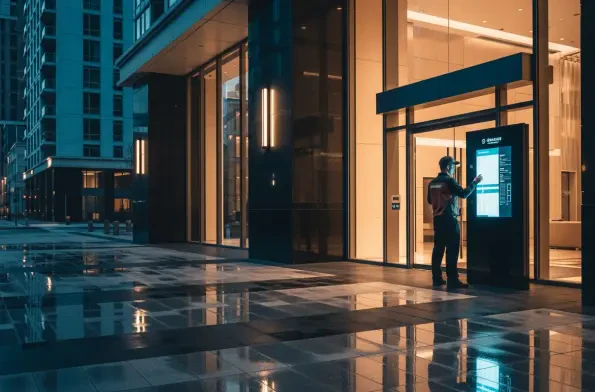
The traditional image of a visitor standing outside an apartment building and pressing a physical button to trigger a loud, jarring buzz inside a resident’s unit has become a relic of a simpler technological era. For decades, the door buzzer served as the primary gateway between the private domestic sphere and the public street, offering a rudimentary yet effective method of verifying identity through sound alone. Today, the landscape of multi-tenant access control has transformed into a sophisticated ecosystem where human-centric design takes precedence over the mere installation of heavy-duty hardware. Modern manufacturers and property managers recognize that security systems must act as seamless facilitators of daily life rather than bureaucratic obstacles that frustrate residents and visitors alike. By prioritizing the user experience, current technologies aim to create an environment where safety feels intuitive and natural, ensuring that the transition from the sidewalk to the sofa is as frictionless as possible for everyone involved in the building’s operation.
The Foundations of Urban Security and Social Trust
The journey of residential security began in the early days of rapid urban development, where personal trust and physical keys were the primary forms of access control for shared living spaces. As metropolitan areas became more densely populated throughout the twentieth century, the distance between neighbors grew, and the inherent familiarity of the small-town community began to fade. This demographic shift necessitated a mediated form of entry that could bridge the gap between absolute openness and total isolation. This period saw the birth of the iconic door buzzer and electric strike systems, which revolutionized how people interacted with the threshold of their homes. These mechanical solutions provided a basic level of defense against unauthorized entry while allowing residents to remotely unlock the front door. Beyond their technical function, these buzzers became a cultural staple, signaling a visitor’s arrival and providing a psychological sense of safety that eventually turned the intercom into an essential feature of city life.
The implementation of early intercom systems also reflected a broader societal shift toward valuing privacy and controlled accessibility in high-density environments. These initial devices were often simple analog circuits that connected a lobby panel to a handset or a wall-mounted speaker inside each individual apartment. Although the sound quality was frequently distorted and prone to interference from external electrical lines, the ability to communicate with a stranger before granting them entry was a profound advancement in residential safety. Property owners began to view these systems as standard requirements for attracting tenants who sought a balance between urban excitement and personal security. As the technology matured, the focus moved toward improving the durability of the exterior hardware, ensuring that the buttons and speakers could withstand the harsh conditions of street-level exposure. This era established the foundational expectation that a modern building must provide its residents with a reliable method to manage their own visitors and deliveries.
Evolution of Verification through Visual Communication
As urban environments grew more complex in the late twentieth century, the demand for clearer communication between the street and the apartment rose significantly among both tenants and owners. The security industry initially responded by focusing on high-quality, two-way audio systems designed for extreme durability in high-density buildings like large-scale condominiums and public housing projects. However, the introduction of video capability marked a major paradigm shift in the philosophy of residential access control. Security was no longer just about hearing a voice or granting entry based on a verbal claim; it became about visual assurance and real-time identification. Seeing a visitor’s face provided a psychological layer of safety that audio alone could never match, establishing a new standard for what constituted a secure residential environment. This shift allowed residents to verify the identity of couriers or unexpected guests visually, reducing the risk of deceptive entry and enhancing overall peace of mind within the home.
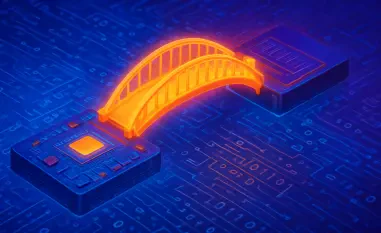
By the start of the current decade, access control transitioned into a standard residential amenity rather than a luxury reserved for high-end penthouses. Video systems evolved rapidly from basic monochrome displays with limited resolution to high-definition color screens that offered wide-angle views of the building entrance. This era emphasized the idea that security technology should age gracefully, remaining functional and relevant even as the architectural and social landscape around it matured. The bridging of the gap between legacy analog hardware and the emerging digital future became a priority for manufacturers who sought to provide longevity for property investments. This transition ensured that residents felt both protected and modern in their living environments, as the hardware became sleeker and more integrated into the interior design of the apartment. High-quality video feeds became the baseline expectation, moving away from graininess toward clarity that matched the smartphones and tablets already permeating the daily lives of modern city dwellers.
Strategic Implementation of Unified Access Control
The current landscape of access control is fundamentally defined by Internet Protocol connectivity and the immense processing power of the cloud. Modern systems have moved beyond the physical walls of a building, allowing residents to manage their visitors through sophisticated smartphone applications that offer control from anywhere in the world. This mobile integration supports a modern lifestyle by providing remote entry management and the use of temporary QR codes for guests, maintenance workers, and delivery services. These advancements offer multiple layers of convenience while maintaining a robust level of security for the entire property. Residents no longer need to be present at their wall-mounted intercom to answer a call, which has drastically reduced missed deliveries and increased the efficiency of building operations. Moreover, the shift to the cloud allows for real-time updates and monitoring, ensuring that security protocols can be adjusted instantly. Innovation in this field also addresses the substantial challenges of existing urban infrastructure.
In conclusion, the transition from basic mechanical buzzers to integrated cloud-based ecosystems provided clear lessons for the next generation of property management. Stakeholders who prioritized scalable solutions and invested in systems that bridged the gap between analog history and digital connectivity found themselves better positioned to maintain long-term property value. The move away from isolated hardware toward networked communication platforms encouraged a more holistic view of building security as a service rather than a product. Decision-makers were advised to select systems that offered open integration with other smart building technologies, ensuring that the access control infrastructure could adapt to future needs. As the relationship between residents and their living spaces continued to evolve, the goal remained to create environments where technology facilitated human connection and security without compromising ease of use. This strategic approach ensured that the legacy of the door buzzer was preserved through modern innovation that respected the fundamental need for safety.