The immense responsibility of safeguarding a nation’s vital infrastructure, such as a key power facility like Indonesia’s PT PLN Nusantara Power – UP Muara Karang plant, has propelled a fundamental shift away from traditional security models. Over a two-year period beginning in 2022, this essential facility underwent a comprehensive security overhaul, transitioning from conventional, disparate measures to a sophisticated, technology-driven system. This transformation highlights a growing industry trend: leveraging integrated technology not just as an add-on, but as the central nervous system of a modern security operation. The project’s core objective was to move beyond siloed functions and create a unified framework capable of preemptive threat detection and rapid, coordinated response. By centralizing command and control, the initiative aimed to enhance situational awareness, optimize resource deployment, and establish a new benchmark for protecting assets of national importance against a complex and evolving threat landscape, demonstrating a forward-thinking approach to a persistent challenge.
The Shift to Centralized Command
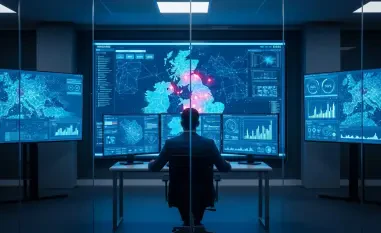
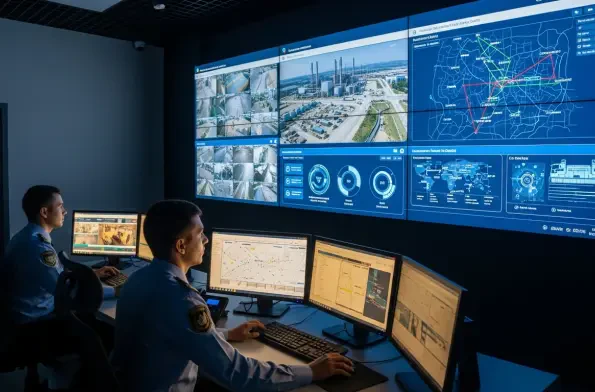
The cornerstone of this modernized security framework is the establishment of a unified control room, which serves as the strategic hub for all security operations across the facility. This centralized approach fundamentally changes the security paradigm by integrating previously disconnected systems into a single, cohesive interface. Instead of security personnel monitoring separate feeds for CCTV, access control, and perimeter alarms, operators now have a holistic, real-time view of the entire site from one command center. This integration of advanced surveillance, smart patrol data, and access logs allows for more informed and faster decision-making. The ability to correlate events from different systems—for instance, an unauthorized access attempt flagged by facial recognition immediately triggering camera focus and a patrol dispatch—transforms security from a reactive posture to a proactive and intelligent one. This synergy not only enhances the ability to detect and respond to incidents but also streamlines workflows, ensuring that security resources are allocated with maximum efficiency.
Further fortifying this centralized model is the deployment of a suite of cutting-edge technological components designed to automate and enhance specific security functions. A smart patrol system, utilizing GPS tracking, ensures comprehensive and verifiable coverage of the site by optimizing officer routes and monitoring their progress in real time. This system is complemented by a rapid alert mechanism that sends instant incident notifications directly to officers’ mobile devices, dramatically cutting down response times. At the facility’s access points, advanced technologies such as vehicle plate and facial recognition have replaced outdated manual checks, creating a more secure and efficient process for vetting personnel and visitors. A modern visitor management system digitizes the entire entry and exit process, providing a clear and auditable trail of all non-employee activity on site. These tools, seamlessly integrated into the central control room, empower security personnel by automating routine tasks and providing them with precise, actionable intelligence.
Validating Efficacy and Future Implications
The ultimate test of any security system’s effectiveness lies in its ability to meet and exceed rigorous, independent standards. In March 2024, the newly integrated system at the power plant was subjected to a comprehensive Security Management System Audit by the Indonesia National Police (Mabes Polri). The outcome was a resounding validation of the project’s success, with the system achieving an exceptionally high Gold Score of 94.18%. This score is not merely a number; it represents official confirmation that the security infrastructure complies with the highest national safety standards and embodies industry best practices. Such a rigorous third-party assessment provides objective proof of the system’s robustness and its capability to protect a critical national asset. This formal validation process is crucial for establishing credibility and demonstrating due diligence, offering tangible evidence to stakeholders that the investment in advanced technology has yielded a demonstrably superior security posture capable of withstanding intense scrutiny.
A New Blueprint for Infrastructure Security
The successful implementation and validation of this integrated security solution established a new operational standard with far-reaching benefits. Operationally, the project yielded a significant improvement in overall site security, drastically reducing the risk of unauthorized access and enabling faster, more coordinated incident response times. The automation of routine monitoring and access control allowed security personnel to transition their focus from mundane activities to more critical, high-value security tasks, such as threat analysis and strategic planning, thereby increasing overall efficiency and effectiveness. This comprehensive overhaul did more than just upgrade a single facility; it created a proven blueprint for securing vital national infrastructure. The project’s success served as a powerful case study, demonstrating how a strategic fusion of centralized command, advanced technology, and rigorous training could forge a resilient and intelligent security ecosystem, setting a new benchmark for the entire region.