Malik Haidar is a seasoned cybersecurity strategist who has spent decades protecting multinational infrastructures from sophisticated state-sponsored and financially motivated actors. With deep roots in threat intelligence and security analytics, he understands that a single oversight in a legacy protocol can undo millions of dollars in defensive investments. Today, we dive into the recent exploitation of Check Point VPN vulnerabilities, examining how a logic flaw in certificate validation allowed attackers to bypass authentication and why this discovery has sent ripples through the global security community.
This discussion delves into the technical mechanics of CVE-2026-50751, a critical vulnerability that bypasses password requirements in specific VPN setups. We explore the timeline of active exploitation starting in May 2026, the specific involvement of ransomware groups like Qilin, and the tactical use of geolocated virtual private servers to target high-value organizations across the globe.
How does the logic flaw in CVE-2026-50751 actually work to bypass traditional security perimeters?
This specific logic flaw is particularly dangerous because it strikes at the core of the trust model within the certificate validation process. When this vulnerability is exploited, an unauthenticated remote attacker can essentially trick the system into granting a full VPN connection without ever needing to provide a valid user password. It carries a critical CVSS score of 9.3, reflecting the severe reality that a remote actor can gain a foothold in the network from anywhere in the world. While the initial bypass gets them through the front door, the attacker still has to conduct post-authentication maneuvers to actually reach internal resources or escalate their privileges. It turns what should be a locked vault into a screen door for anyone who knows how to pull the handle.
Why are legacy protocols like IKEv1 still proving to be such a massive liability for modern enterprises?
The persistence of deprecated protocols like IKEv1 creates a massive blind spot for security teams who are often focused on the latest shiny tools. In this case, the vulnerability specifically impacts Security Gateways using R82.10 Jumbo Hotfix Take 19 or below, as well as several other older versions like R81.20 and R80.40 that have reached their end-of-support status. Attackers look for these specific configurations where legacy Remote Access clients are accepted and machine certificates aren’t strictly demanded. It is a reminder that keeping old, unpatched systems like the Spark Firewalls R80.20.X online is essentially leaving a key under the mat for intruders. When you allow these outdated key exchange protocols to remain active, you are effectively inviting the risks of the past into your current environment.
Can you walk us through the timeline of when these attacks were first detected and how the threat escalated?
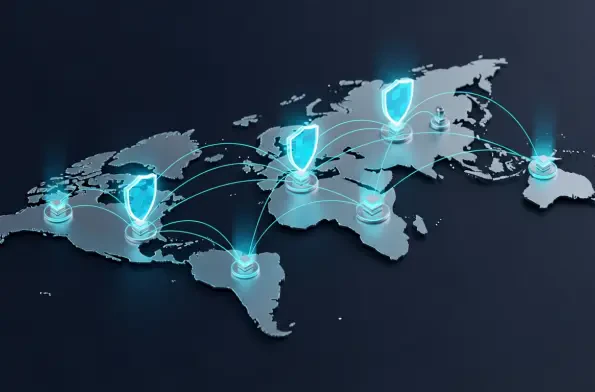
The forensic trail shows that this wasn’t an overnight discovery, but rather a calculated campaign that began well before it was publicly flagged. The earliest evidence of exploitation dates back to May 7, 2026, though the first clear indicators of suspicious activity weren’t officially observed until June 4, 2026. Since that June discovery, the exploitation efforts have ramped up significantly, moving from a quiet probe to an active offensive. We have seen this activity limited to a few dozen targeted organizations globally, suggesting that the threat actors are being selective rather than spraying and praying. This type of “opportunistic but targeted” behavior often indicates a sophisticated actor who is carefully choosing their victims based on their vulnerability profile.
What makes the Qilin ransomware group’s use of VPS-based infrastructure particularly effective in these targeted campaigns?
The Qilin affiliates are using a very clever geographic masking technique by deploying virtual private server (VPS) infrastructure that matches the location of their targets. By using a VPS geolocated to the same country as the victim organization, they can bypass many basic geo-fencing or anomaly detection rules that might flag an overseas login. Once they establish that initial access, we’ve seen them immediately attempting to download malicious ELF files from their own controlled servers. They are also utilizing the Tox protocol for their communications, which is a hallmark of financially motivated ransomware groups looking to stay under the radar. This infrastructure overlap with other major vulnerabilities in systems from Palo Alto and Fortinet shows that they are running a highly organized operation.
Beyond the primary vulnerability, what should we know about the second flaw discovered during the investigation?
During the deep-dive review of these VPN components, a second vulnerability tracked as CVE-2026-50752 was uncovered, which carries a CVSS score of 7.40. This flaw is a different beast entirely, as it opens the door for an adversary-in-the-middle attack on VPN site-to-site connections. While we haven’t seen evidence of this being exploited in the wild yet, it represents a significant latent risk for corporate communications. It highlights a critical lesson in cybersecurity: when you start pulling on one loose thread, you often find that the entire fabric is starting to unravel. Organizations need to be proactive in patching these secondary flaws before the threat actors realize they can use them as a fallback plan.
What is your forecast for the evolution of these VPN-focused attacks?
I expect we will see a dramatic shift toward attackers focusing on the “invisible” layers of the network stack, such as key exchange protocols and certificate validation logic, rather than just looking for leaked passwords. The fact that CISA added CVE-2026-50751 to its Known Exploited Vulnerabilities catalog on June 8, 2026, with a mandatory federal deadline of June 11, shows how urgent this has become. We are going to see more ransomware affiliates moving away from standard phishing and toward these appliance-based entry points because they offer a higher level of persistence. As long as organizations keep legacy protocols enabled for the sake of backward compatibility, threat actors will continue to leverage them as the path of least resistance to high-value data.