Transitioning a sprawling 100-hectare educational facility into a secure, responsive ecosystem requires more than just high walls and a handful of guards. Modern smart campus solutions represent a significant advancement in educational infrastructure, moving beyond simple surveillance to create a unified digital nervous system. This review explores how these technologies have evolved to manage complex academic environments, where thousands of students, faculty, and visitors must move freely yet securely. The objective is to evaluate the current capabilities of these systems, their performance metrics, and the practical impact they have on the safety and efficiency of large-scale institutions.
Evolution of Campus Management Systems
The shift from manual, labor-intensive oversight to high-tech digital ecosystems marks a fundamental turning point for academic institutions. Historically, universities relied on handwritten logs and physical patrols, which inevitably led to operational bottlenecks and data inaccuracies. These outdated methods struggled to provide real-time visibility, making it difficult for security teams to respond effectively to incidents or manage traffic during peak hours.
In contrast, the 2026 landscape features integrated systems that leverage the Internet of Things and artificial intelligence to automate routine tasks. These modern solutions address the inherent vulnerabilities of traditional security by centralizing management software. Today, a university campus functions essentially as a smart city, where every access point and vehicle movement is recorded and analyzed instantly. This transition has changed the administrative focus from reactive monitoring toward proactive management and data-driven decision-making.
Key Components of Modern Campus Infrastructure
Advanced Pedestrian Access and Biometric Authentication
A primary pillar of modern campus technology is the movement of people through high-speed biometric processing. Modern solutions utilize swing barriers integrated with facial recognition terminals to facilitate rapid entry without compromising security. With recognition speeds often under 0.2 seconds and precision ratings exceeding 99%, these systems eliminate the congestion that traditionally plagued campus gates during class changes.
The significance of this technology lies in its ability to tie access to a unique identity rather than a physical card, which can be lost or shared. Modern systems incorporate anti-tailgating sensors that detect unauthorized entries in real-time. By moving toward a paperless digital credentialing system, institutions have simplified the onboarding of visitors through digital enrollment stations, ensuring that guest management is as streamlined and secure as faculty access.
Automated Vehicle Management and ANPR Technology
Vehicle access is managed through Automatic Number Plate Recognition cameras paired with automated barrier gates. This technology allows for real-time identification of license plates, which drastically reduces wait times at perimeter entrances. For staff and regular visitors, the system allows for the pre-registration of vehicles through dedicated mobile applications, automating the entire entry process.
Safety features within these hardware components, such as anti-hitting mechanisms and LED status screens, ensure a professional traffic flow across the campus. This automation matters because it frees security personnel to focus on higher-level tasks rather than manual gatekeeping. The result is a more professional entry experience that maintains strict security protocols without impeding the daily commute of the campus population.
Mobile Security Documentation and Body-Worn Cameras
For sprawling campuses that require mobile motorcycle patrols, body-worn cameras and specialized dock stations provide essential documentation. These devices offer wide-angle video recording and real-time GPS positioning, allowing central control rooms to track patrol teams with high precision. This visibility ensures that security resources are deployed efficiently across vast geographic areas.
The implementation of automated docking stations ensures data integrity by offloading footage securely at the end of every shift. This creates a reliable evidence chain for security incidents and promotes transparency in all interactions between security staff and students. By integrating mobile video into the central management platform, administrators gain a complete picture of campus safety that extends beyond fixed camera locations.
Intelligent Fleet Safety and Onboard Monitoring
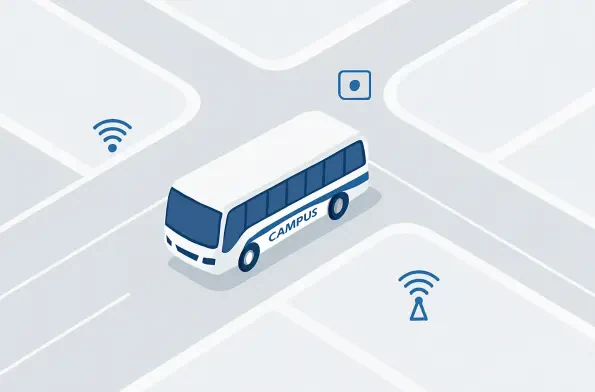
Smart campus solutions extend to transportation through onboard cameras and Driver Status Monitors. Using artificial intelligence, these systems detect signs of driver fatigue, distraction, or prohibited activities and issue immediate alerts. This is a critical development for campus bus fleets, as it directly addresses the human factors that often lead to accidents.
Mobile Network Video Recorders record both interior and exterior activity while integrating with maps for real-time geofencing and route history tracking. This connectivity allows the central office to monitor bus locations and passenger safety during daily commutes. If a crisis occurs, integrated alarm buttons allow drivers to notify the control center instantly, ensuring a rapid and coordinated response.
Emerging Trends in Educational Technology
The latest developments in the field are characterized by the shift toward unified management platforms where security, logistics, and administration converge into a single interface. Emerging trends also include the use of predictive analytics to anticipate crowd congestion and the integration of contactless solutions. These systems allow students to access libraries, cafeterias, and dormitories with a single digital identity, creating a seamless user experience.
Real-World Applications: Sector Impact
Smart campus solutions are being deployed in large-scale academic environments that function similarly to small municipalities. Notable implementations demonstrate how 100-hectare sites can achieve total operational visibility through the modernization of their infrastructure. These systems are also finding use in research parks and corporate headquarters where high-security requirements demand a unified approach to visitor management and personnel safety.
Challenges and Mitigation Strategies
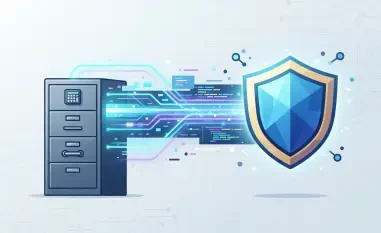
Despite their benefits, smart campus technologies face hurdles related to data privacy and the integration of legacy infrastructure. The collection of biometric data requires strict adherence to regulatory standards to maintain user trust. To mitigate these issues, developers are focusing on end-to-end encryption and modular hardware designs that allow universities to scale their technology investments over time. This modularity ensures that institutions can upgrade their systems from 2026 to 2029 without requiring a total upfront replacement of existing assets.
Future Outlook for Smart Educational Environments
The trajectory of smart campus technology points toward deeper AI integration and autonomous operations. We can expect future developments to include AI-driven energy management to reduce carbon footprints and the potential for autonomous campus shuttles integrated into the existing security network. In the long term, these technologies will likely move beyond safety to influence personalized learning experiences, creating an environment that adapts to the needs of the academic community.
Assessment of Current Technological Impact
The transition from fragmented manual processes to a unified, AI-driven infrastructure proved to be a decisive factor in institutional resilience. The implementation of biometric and vehicle automation demonstrated that high-security standards could coexist with high-volume movement. Decisions made during the initial phases of modernization focused on interoperability, which allowed universities to create a more connected and responsive environment for their populations.
Ultimately, the successful deployment of these systems highlighted the importance of moving toward data-centric security strategies. Administrators who prioritized cybersecurity audits and ethical AI frameworks found that they could maintain a safer campus while respecting the privacy of students and staff. Moving forward, the focus must remain on the scalability of these platforms to accommodate the evolving needs of the next generation of educators. The standard for excellence was established through the integration of mobile security, fleet monitoring, and fixed access points into a single cohesive system.