Malik Haidar is a seasoned cybersecurity expert with extensive experience navigating the front lines of digital warfare within multinational corporations. His deep background in intelligence and security analytics allows him to see beyond the technical code, focusing instead on how nation-state actors weaponize everyday consumer hardware to gain a foothold in national infrastructure. By integrating business perspectives into high-stakes security strategies, he provides a unique vantage point on the evolving landscape of global cyber threats.
The following discussion explores the mechanics of state-sponsored DNS hijacking, the logistical hurdles of large-scale remediation, and the strategic importance of protecting residential networks from sophisticated military intelligence units. We delve into the critical vulnerabilities of small office hardware and the collaborative efforts required between the public and private sectors to dismantle international espionage networks.
State-sponsored actors are increasingly targeting SOHO routers to harvest credentials via DNS hijacking. How do these groups specifically exploit hardware firmware to redirect traffic, and what are the specific indicators that a small office network has been compromised by such a sophisticated campaign?
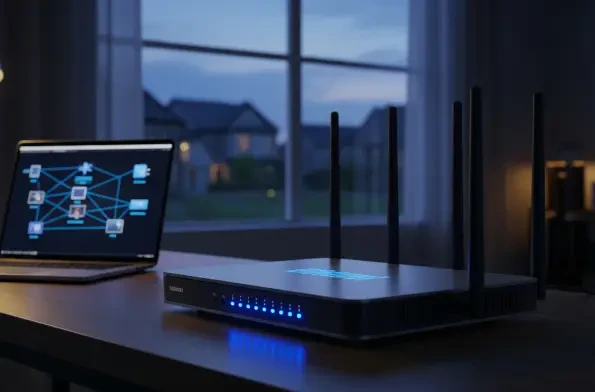
When groups like APT28 target small office and home office (SOHO) routers, particularly brands like TP-Link, they aren’t just looking for a temporary foothold; they are looking to rewrite the rules of how your network talks to the world. By exploiting unpatched vulnerabilities in the firmware, these actors insert their own DNS resolvers, essentially acting as a digital switchboard operator that can send you to a fraudulent site even when you type in a legitimate URL. This allows them to harvest credentials from high-value targets by presenting pixel-perfect clones of login pages. Identifying this can be incredibly difficult for the average user, but the primary indicators involve unusual latency in web requests or, more specifically, finding unauthorized IP addresses listed in the DNS settings of the router’s management console. If your router is suddenly pointing to a resolver that isn’t provided by your ISP or a known entity like Google or Cloudflare, it is a glaring red flag that your traffic is being intercepted.
Law enforcement recently used court-authorized commands to remotely reset DNS settings on thousands of compromised devices across dozens of states. What technical challenges arise when remediating hardware at this scale without affecting functionality, and how can agencies ensure these fixes remain permanent against re-infection?
The technical complexity of “Operation Masquerade” cannot be overstated because every router model has slight variations in how it handles commands, even within the same brand. To mitigate this, the FBI had to extensively test their commands on specific TP-Link firmware versions to ensure they could clear out the Russian-installed resolvers without bricking the device or interrupting the user’s internet connection. The operation essentially forced the routers to pull legitimate DNS settings back from their ISPs, but the real challenge is permanence. Since these fixes can be reversed by a hardware factory reset or by an attacker re-exploiting the same unpatched vulnerability, the only way to ensure lasting security is to close the initial hole. This is why the agency works with ISPs to notify users, as the government can reset the settings, but only the owner can apply the firmware patches or change default credentials to prevent a secondary breach.
Intelligence agencies have linked large-scale hijacking operations to specific military units like GRU Unit 26165. Beyond simple credential theft, what strategic advantages do nation-states gain by controlling domestic hardware, and how does collaboration with private-sector partners like Microsoft or Lumen enhance these counter-operations?
Controlling domestic hardware gives a military unit like the GRU’s Unit 26165 a layer of plausible deniability and a distributed platform for espionage that is very hard to map. When an attack originates from a home router in Pennsylvania rather than a server in Moscow, it bypasses many geographic-based security filters and allows the state actor to blend in with legitimate domestic traffic. This infrastructure can be used for everything from launching secondary attacks to monitoring the communications of targeted individuals in real-time. Collaboration with private partners like Microsoft Threat Intelligence and Lumen’s Black Lotus Labs is the only way to gain the visibility needed to stop this; these companies see the traffic patterns across the global backbone of the internet. By combining the FBI’s legal authority with the telemetry data from these tech giants, they can pinpoint exactly which routers are compromised and dismantle the command-and-control architecture that the GRU spent months building.
Many users continue to operate hardware that has reached end-of-life status or lacks updated firmware. What are the most critical steps for securing remote management features today, and what specific risks do legacy routers pose to the broader integrity of national internet infrastructure?
Legacy routers are the “soft underbelly” of our national security because they often lack the hardware resources to run modern security protocols and are no longer receiving critical security updates from manufacturers. To secure these devices, the most immediate and vital step is to disable remote management features entirely; there is almost no reason for a home user to have their router’s login page accessible from the open internet. Furthermore, users must verify that their DNS settings haven’t been tampered with and immediately replace any device that is on a manufacturer’s end-of-life list. A single compromised router might seem insignificant, but when thousands across 23 states are linked together, they form a powerful botnet that can be used to disrupt critical services or steal sensitive intelligence from government and corporate employees working from home.
What is your forecast for the future of state-sponsored hijacking and SOHO router security?
I expect we will see a significant shift toward more automated and persistent exploits that target the supply chain of router firmware before the devices even reach the consumer. As our defenses improve at the enterprise level, nation-states will double down on targeting the home environment because it remains the weakest link in the security chain, especially with the permanence of remote work. We will likely see more operations like Masquerade, where the government takes a proactive role in “cleaning” domestic networks, but this will create a cat-and-mouse game where hackers develop more stealthy, memory-resident malware that can survive a simple reboot or setting reset. For the average person, the router will no longer be a “set it and forget it” appliance; it will have to be managed with the same level of scrutiny as a smartphone or a laptop to prevent it from becoming a tool for foreign intelligence.