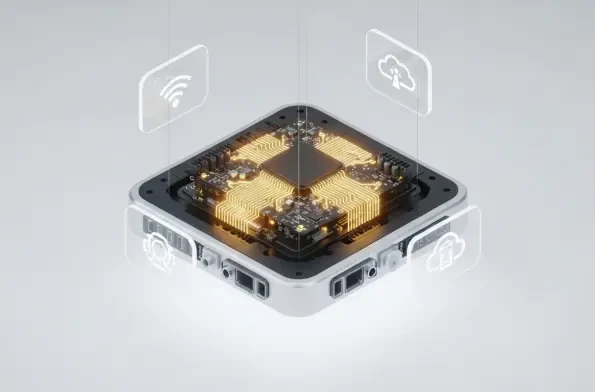
Modern security infrastructures are no longer defined by the thickness of steel doors but by the sophistication of the silicon and code managing them at the network edge. As the industry moves away from centralized, server-heavy architectures, the ability to process complex logic locally has become the new benchmark for excellence. This evolution is most evident in the commercial launch of embedded application environments, which transform traditional intelligent controllers from static hardware into versatile, programmable hubs. By allowing third-party applications to run directly on the device, these platforms represent a fundamental shift in how physical access control is managed, moving the industry toward a future where hardware is as adaptable as the software it hosts.
Introduction to Edge-Based Embedded Environments
The shift toward edge-based processing reflects a broader desire for more responsive and resilient security systems. In the past, every decision—from granted access to system alerts—had to travel back to a central server, creating potential points of failure and latency. Embedded application platforms solve this by utilizing advanced firmware to create a sandbox environment directly on the hardware. This allows the Mercury MP Intelligent Controllers to function as more than just gatekeepers; they become active participants in the digital ecosystem, capable of hosting specialized tools that tailor the security experience to specific organizational needs.
This transition from conceptual framework to commercial execution signals a move toward true open architecture. Instead of being locked into a single vendor’s roadmap, users can now leverage a diverse range of applications developed by a community of experts. This approach democratizes the hardware, turning the controller into a platform for innovation similar to a smartphone operating system. By relocating business logic to the network edge, organizations can scale their systems more efficiently, as the processing power grows naturally with each new device added to the network.
Architectural Components and Security Protocols
Decentralized Intelligence at the Network Edge
At the heart of this technological shift is the decentralization of intelligence. By processing data locally, embedded platforms minimize the need for upstream middleware, which often acts as a bottleneck in traditional setups. This architecture is particularly beneficial for large-scale deployments where thousands of edge devices must operate in perfect synchronization. When logic lives at the edge, the system remains functional even if the connection to the central server is interrupted, ensuring that security protocols are maintained regardless of network stability.
Structured Developer Onboarding and Cybersecurity
Opening hardware to third-party code naturally raises concerns about system integrity and cybersecurity. To address this, a rigorous onboarding framework has been established, moving beyond simple code submission to a comprehensive vetting process. This involves technical evaluations and security reviews that ensure no application can compromise the core functions of the controller. This structured approach creates a “walled garden” effect, where the benefits of open innovation are captured without exposing the underlying infrastructure to the risks typically associated with unverified software.
Emerging Trends in Open Security Architecture
The industry is currently witnessing a move toward “hardware-as-a-service” models, where the primary value of a controller is the software ecosystem it supports. Organizations are increasingly seeking vendor-agnostic solutions that allow them to swap out software components without the massive capital expense of replacing physical hardware. This trend is driven by the need for agility in a rapidly changing threat landscape, where the ability to deploy a new security patch or a specialized analytics tool across an entire campus in minutes is a significant competitive advantage.
Real-World Implementations and Industry Use Cases
Practical applications of this technology are already surfacing through strategic partnerships that highlight the platform’s versatility. For example, some integrations are now linking hardware-level data with audio-visual products, creating a more cohesive response to security incidents. Other projects focus on cloud-based monitoring, where the platform provides real-time health analytics for every device on the network. This proactive approach allows for maintenance to be scheduled before a failure occurs, significantly reducing downtime and improving the overall reliability of the security posture.
Furthermore, the technology is playing a crucial role in the adoption of modern identity management, such as government-issued mobile driver’s licenses. By processing these digital IDs natively at the controller level, the platform facilitates a seamless transition from physical cards to mobile credentials. This capability is not just a convenience; it represents a more secure way to verify identity by leveraging the encrypted communication protocols inherent in modern smartphones, all managed directly at the door.
Technical Hurdles and Market Obstacles
Despite the clear benefits, managing a diverse array of third-party code across a global fleet of devices presents significant challenges. Ensuring consistent performance across different hardware iterations requires a level of standardization that the industry is still perfecting. Developers must navigate varying regulatory requirements in different regions, which can complicate the deployment of certain features. To mitigate these issues, development efforts are focused on creating more robust simulation environments, allowing creators to test their applications against a wide range of scenarios before they ever reach a live controller.
The Future of Embedded Security Processing
Looking ahead, the trajectory of this technology points toward complete edge autonomy. We can expect future breakthroughs to involve the integration of artificial intelligence directly into the controller, enabling real-time threat detection and automated responses without any human intervention. This would allow a system to recognize abnormal patterns—such as a door being propped open in a sensitive area—and automatically trigger a lockdown or alert the nearest security officer. Such advancements will likely foster safer, more interconnected urban environments where security is both invisible and omnipresent.
Final Assessment of the Platform Evolution
The commercial realization of embedded application platforms successfully bridged the gap between theoretical flexibility and operational reliability. By empowering a community of certified developers to innovate at the hardware level, these platforms provided end-users with a level of customization that was previously unattainable. While the industry had to grapple with the complexities of edge-based management and cybersecurity, the move toward an open-platform model proved to be the necessary step for the next generation of physical security. Organizations that adopted this decentralized approach found themselves better equipped to handle the evolving demands of identity management and system resilience.