The ongoing tension between global technological dominance and national security requirements reached a critical juncture recently as federal regulators intensified their scrutiny of uncrewed aerial systems manufactured abroad. This atmosphere of heightened suspicion placed DJI, the world’s leading drone manufacturer, at the center of a complex geopolitical debate regarding data sovereignty and the integrity of critical infrastructure. While federal agencies expressed concerns about potential vulnerabilities, the company countered these claims by commissioning comprehensive third-party security audits to validate its operational safety. These evaluations were designed to provide an objective analysis of how data is handled, stored, and transmitted during typical flight operations. As the debate shifted from political rhetoric to technical examination, the findings of these independent reviews emerged as pivotal evidence in the legal challenges mounted against restrictive federal policies. This situation underscored the difficulty of balancing innovation with the stringent security standards demanded by modern governance.
Forensic Analysis: The Scope of the Independent Audit
Technical Methodology: Investigating Software and Hardware Integrity
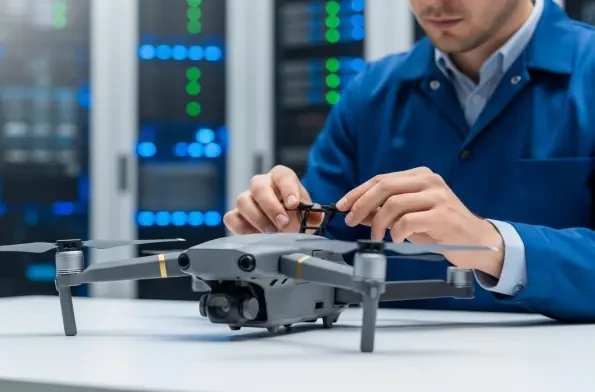
To address the multifaceted security allegations, the audit conducted by FTI Consulting utilized a rigorous methodology that scrutinized both the hardware architecture and the underlying software stack of several popular drone models. This deep-dive investigation focused on identifying any undocumented communication channels or hidden entry points that could theoretically allow unauthorized remote access. Analysts performed extensive packet sniffing and network traffic analysis to map out exactly where information was being sent during flight and post-flight synchronization. By simulating various operational environments, the team was able to verify that the drones behaved according to their documented specifications. This level of transparency was intended to move the conversation beyond speculation and toward a fact-based assessment of risk. The results provided a detailed baseline for evaluating whether the products posed a genuine threat to users or if the concerns were primarily based on the origin of the technology.
The technical examination also involved a thorough review of the source code to detect any malicious scripts or vulnerabilities that might be exploited by state actors or cybercriminals. Experts looked for signs of obfuscated code that could bypass traditional security filters or establish persistent connections with external servers without the user’s explicit consent. In addition to software integrity, the audit assessed the security of the encryption protocols used to protect telemetry data and video feeds. It was essential to determine if the cryptographic standards employed were sufficient to prevent interception by third parties during transmission. This scrutiny was particularly important for commercial and government users who rely on these systems for sensitive missions, ranging from infrastructure inspections to search and rescue operations. By providing an exhaustive account of the software’s internal logic, the auditors aimed to satisfy the technical requirements of regulatory bodies that demand high levels of assurance.
Data Governance: Assessing Transmission and Storage Protocols
A primary finding of the investigative report was the complete absence of any backdoors or intentional security flaws that would allow for the surreptitious extraction of sensitive data. The auditors confirmed that the drones did not transmit information to unauthorized servers and that all data transfers were initiated only through user-approved actions. This finding directly challenged the narrative that foreign-made technology is inherently compromised by state-mandated surveillance capabilities. Furthermore, the audit highlighted the robustness of the local data mode feature, which allows users to disconnect the drone from the internet entirely during operation. This functionality ensures that no data, including flight logs or images, can be uploaded to the cloud, providing a high degree of privacy for sensitive operations. The validation of these privacy controls served as a cornerstone for the company’s argument that its products are designed with a philosophy that prioritizes user control over data sharing.
Beyond individual drone security, the audit evaluated the overall ecosystem including mobile applications and cloud storage services to ensure a holistic approach to data protection. The reviewers found that the infrastructure supporting these services utilized industry-standard security measures to prevent data breaches and unauthorized access. This comprehensive review included testing the resilience of the servers against common cyberattacks such as cross-site scripting and SQL injection. By verifying that the entire data lifecycle is protected, the audit aimed to build trust among enterprise clients who require stringent compliance with internal privacy policies. The report also noted that the manufacturer had implemented a bug bounty program to encourage the responsible disclosure of any newly discovered vulnerabilities. This proactive stance toward cybersecurity demonstrated a commitment to continuous improvement and transparency, which is often cited as a best practice in the technology sector.
Legal Confrontation: Challenging Regulatory Restrictions
Constitutional Arguments: The Basis for the FCC Lawsuit
In response to the mounting regulatory pressure and the threat of a nationwide ban, a formal lawsuit was initiated to challenge the legality of the restrictions imposed by the Federal Communications Commission. The legal filing argued that the commission exceeded its statutory authority by targeting a specific company based on national security concerns that have not been substantiated through transparent evidence. Attorneys for the manufacturer asserted that the proposed bans were arbitrary and capricious, violating the due process rights of the company and its numerous stakeholders. They pointed out that the regulatory process lacked the necessary procedural safeguards to ensure a fair and objective evaluation of the actual risks involved. By seeking judicial review, the company aimed to establish a precedent that prevents the use of regulatory power as a tool for economic protectionism under the guise of national security. This legal battle represents a significant test of the limits of executive power.
The lawsuit further contended that the administrative actions were based on a flawed interpretation of existing laws, which were never intended to give the commission broad authority over international supply chains. Legal experts argued that if these regulations were allowed to stand, it would create a dangerous precedent where any foreign-owned technology could be banned without a clear demonstration of harm. This could lead to a fragmented market and stifle innovation by creating a hostile environment for international companies. The litigation also highlighted the lack of a standardized framework for evaluating the security of telecommunications equipment, which has led to inconsistent and unpredictable enforcement actions. By challenging the current approach, the manufacturer sought to promote a more predictable and evidence-based regulatory environment that benefits all participants in the technology sector. The outcome of this case is expected to have far-reaching implications for how the government balances security.
Industry Implications: Moving Toward Standardized Security Frameworks
The potential removal of these aerial systems from the market posed a significant threat to various public and private organizations that have integrated this technology into their core operations. Many local law enforcement agencies and emergency response teams relied on these drones because of their reliability, ease of use, and advanced imaging capabilities. Finding comparable alternatives at a similar price point was described as a major challenge that could strain the budgets of smaller departments and reduce their operational effectiveness. Industry advocates argued that a sudden ban would disrupt critical services and slow down the adoption of drone technology in sectors like agriculture, construction, and environmental monitoring. They emphasized the importance of maintaining a competitive market that drives innovation and provides users with a variety of choices. The debate sparked a broader conversation about the need for a national drone strategy that supports the development of a secure domestic industry.
Stakeholders eventually recognized that the path forward required a collaborative effort to establish unified security benchmarks that applied to all manufacturers regardless of their country of origin. This transition led to the development of new industry standards that focused on verifiable security metrics and periodic third-party assessments to ensure ongoing compliance. Organizations began prioritizing the adoption of zero-trust architectures and enhanced encryption methods to mitigate the risks associated with data transmission in any hardware environment. By shifting the focus from the identity of the manufacturer to the actual security performance of the equipment, the industry successfully fostered a more resilient and transparent marketplace. These developments provided a clear roadmap for future procurement policies, emphasizing the need for rigorous testing and clear communication between regulators and technology providers. The resolution of these conflicts served as a catalyst for a more mature and secure approach.