The Rapid Evolution of Physical Security and Market Expansion
The global security landscape is currently undergoing a profound transformation as organizations pivot away from outdated physical keys toward sophisticated digital credentials that offer superior tracking and control. Recent market data indicates that the global card-based electronic access control systems sector is on a trajectory to reach a staggering $127.96 billion by 2035. This expansion, characterized by a steady compound annual growth rate of 8.80% starting from 2026, signals a fundamental shift in how modern enterprises approach perimeter safety. As industrial and commercial sectors prioritize operational efficiency, the reliance on advanced digital solutions has become a necessity for modern infrastructure.
From Mechanical Locks to Digital Ecosystems: A Historical Context
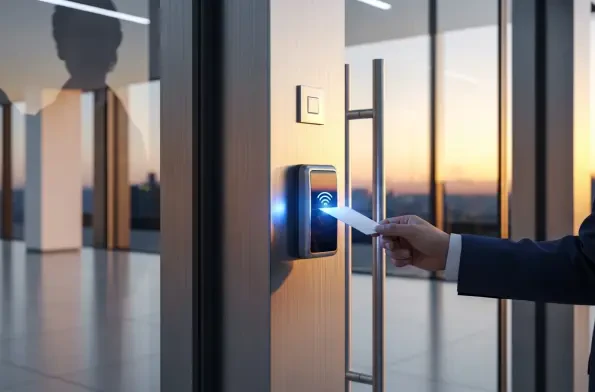
The transition to electronic access control is the result of decades of technological maturation and increasing security demands. For years, the gold standard for facility protection was the mechanical lock and key, a system that offered limited audit trails and high replacement costs when keys were lost. The eventual introduction of magnetic stripe cards provided a glimpse into automated security, yet it was the development of Radio Frequency Identification and proximity technologies that truly disrupted the industry. These advancements addressed the vulnerabilities of physical wear and unauthorized duplication, setting the stage for a period where security is integrated into broader information technology networks rather than existing as standalone hardware.
Analyzing the Drivers of Market Valuation and Technological Adoption
The Dominance of Hardware and the Rise of Intelligent Software
Hardware continues to be the bedrock of the access control industry, currently commanding nearly 59% of the total market share. This dominance is driven by the continuous demand for physical infrastructure, including high-end electronic locks, sophisticated controllers, and multi-technology card readers. However, the value proposition is rapidly shifting toward specialized software. As the fastest-growing segment, software is being propelled by the necessity for cloud-based management and artificial intelligence-driven analytics. Modern enterprises are no longer looking for just a lock; they seek centralized platforms that offer real-time monitoring and predictive insights into facility usage and potential security breaches.
Regional Leadership and the Impact of Federal Security Standards
The United States remains a central engine for the industry’s growth, with its regional market projected to rise from .52 billion in 2026 to over .34 billion by 2035. This expansion is largely anchored by stringent federal procurement initiatives and rigorous physical security standards mandated for sensitive sectors. The defense, healthcare, and financial services industries are leading this charge, as they require high-assurance identity verification to protect both physical assets and sensitive data. The integration of card-based systems with existing federal identity frameworks ensures that North American markets remain at the forefront of technological deployment and regulatory compliance.
Networked Systems and the Growth of the Residential Sector
From an operational perspective, networked access control systems have taken a significant lead over standalone units. Their capacity for real-time remote administration and seamless integration with video surveillance networks provides a holistic view of security that was previously unattainable. Interestingly, while the commercial sector generates the most revenue, the residential sector is poised for the most rapid growth. The surge in smart home ecosystems and the availability of affordable, mobile-integrated card readers are making professional-grade security accessible to individual homeowners and gated communities, bridging the gap between enterprise security and domestic convenience.
Future Trends: AI Integration and the Move Toward Unified Security
Looking ahead, the market is expected to be shaped by the convergence of access control with Artificial Intelligence and the Internet of Things. We are likely to see a shift toward frictionless entry, where smart cards work in tandem with biometric sensors and mobile credentials to verify identity without slowing down the flow of people. Furthermore, as sustainability becomes a corporate priority, the development of eco-friendly, energy-efficient electronic locks and controllers will become a key differentiator for manufacturers. Regulatory changes regarding data privacy will also force a shift toward more secure encryption protocols, ensuring that the digital key is as difficult to hack as the physical door is to breach.
Strategic Recommendations for Stakeholders and Early Adopters
For businesses and security professionals, the path forward involves moving away from siloed security hardware and toward integrated digital platforms. To capitalize on this $127 billion market opportunity, organizations should prioritize the adoption of networked systems that allow for scalable, remote management. It is also recommended to invest in software-centric solutions that offer advanced analytics, as these provide the long-term flexibility needed to adapt to evolving threats. For residential developers, integrating card-based access into broader smart home packages will likely become a primary selling point for safety-conscious consumers who value both security and modern convenience.
Securing the Future of Global Infrastructure
The projected growth of the card-based access control market highlighted a global consensus that digital, data-driven security became a fundamental necessity rather than an optional luxury. By merging physical reliability with digital intelligence, these systems provided the transparency and control required for an interconnected world. Organizations that successfully transitioned to these platforms secured their assets while simultaneously improving operational workflows. As technology continued to advance, the focus remained on creating environments that were both secure and efficient, ensuring that the next generation of infrastructure was prepared for the complexities of a modern society. Moving forward, the industry must prioritize standardized protocols to ensure that diverse security technologies can communicate seamlessly across global networks.