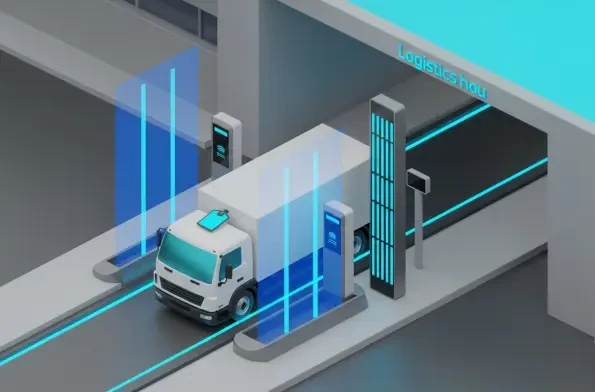
The security sector is currently witnessing a dramatic transformation where the installation of a physical gate no longer marks the end of a business transaction, but rather the beginning of a multiyear service relationship. Modern facility management increasingly relies on the seamless integration of long-range RFID readers, high-definition License Plate Recognition cameras, and sophisticated vehicle access control systems. This evolution is particularly evident in high-traffic environments like gated residential communities, sprawling corporate campuses, and complex logistics hubs where the flow of vehicles must be both secure and efficient.
As cloud-based management platforms begin to dominate the landscape, the influence of software on physical security hardware is undeniable. Industry leaders are moving away from traditional models toward ecosystems that prioritize data connectivity and remote oversight. This shift allows integrators to offer more than just hardware; they are providing comprehensive operational intelligence that helps facility managers understand traffic patterns and security vulnerabilities in real time.
The Strategic Shift Toward Recurring Revenue and Custom Identification
Harnessing RFID Consumables to Foster Long-Term Customer Loyalty
Transitioning from generic, off-the-shelf hardware to branded, high-value credentials like custom windshield stickers and hangtags represents a major leap in business strategy. These customized tags serve as constant brand reminders, effectively keeping the integrator top-of-mind every time a user approaches a secure perimeter. By moving away from anonymous white-label products, security professionals can create a unique identity for each site they manage, which naturally strengthens the bond between the service provider and the client.
The “Customize Your Business” model utilizes these essential consumables to create natural repurchase cycles. Because vehicles are frequently replaced and new residents or employees are constantly onboarded, the demand for these tags remains steady. This turns a simple piece of plastic or a sticker into a strategic tool for maintaining a foothold within a client’s facility. When the reordering process is tied to a specific custom design, it discourages the customer from seeking out generic alternatives, effectively insulating the integrator from low-cost competition.
Measuring the Economic Impact of Automated Credential Management
Economic projections for the vehicle access control market suggest a significant rise in recurring monthly revenue (RMR) as more sites adopt automated credentialing. Data-driven advantages, such as low minimum order quantities, allow integrators to expand their reach into smaller market segments that were previously overlooked. Offering professional customization for as few as 200 units makes high-end security aesthetics accessible to boutique residential developments and small business offices, broadening the overall revenue base.
Key performance indicators are now frequently linked to the efficiency of automated ID tracking and the subsequent reduction of administrative overhead. When an integrator can manage unique ID ranges through a centralized portal, the risk of human error in data entry is virtually eliminated. This precision not only improves site security but also enhances the profitability of the service contract by reducing the time spent on troubleshooting and manual database corrections.
Overcoming Operational Friction in Customized Access Solutions
Historically, the logistical hurdles associated with managing bespoke security tags often deterred integrators from offering them. However, new web-to-print fulfillment systems have streamlined the design-to-delivery process, making it as simple as ordering generic products. By utilizing automated portals, professionals can now mitigate the risk of duplicating ID ranges across complex access control databases, ensuring that every tag issued is unique and functional within the existing infrastructure.
Moreover, offering an integrated professional identity program allows integrators to compete effectively against low-cost online retailers. While generic tags might be cheaper upfront, they lack the secure storage of client layouts and the specialized support that comes with a professional partnership. By providing a holistic solution that includes both the hardware and the specialized media, integrators position themselves as essential operational partners rather than mere hardware vendors.
Navigating Standards and Security Protocols in Vehicle Identification
The integrity of a secure site is often bolstered by anti-counterfeiting measures embedded within unique artwork on vehicle tags. These physical security features, combined with high-performance RFID standards, ensure that only authorized vehicles gain entry. Compliance with data security standards is equally vital, as the storage of client ID ranges and sensitive design layouts must be protected against unauthorized access to maintain the overall trust of the end-user.
Regulatory trends in both the corporate and residential sectors are increasingly influencing how vehicle identification is managed. There is a growing emphasis on physical durability, ensuring that tags can withstand extreme temperatures and UV exposure without losing performance. Reliable long-term access depends on these hardware standards, which in turn support the legal and safety compliance requirements of modern facilities.
The Road Ahead for Intelligent Vehicle Access and Integrated Mobility
The future of perimeter security lies in the convergence of different technologies, such as the pairing of RFID with License Plate Recognition for multi-factor authentication. This hybrid approach caters to the emerging consumer preference for frictionless entry experiences within smart city environments. As urban mobility becomes more integrated, the demand for systems that can handle both permanent residents and temporary fleet vehicles will continue to grow.
Artificial intelligence is also expected to play a larger role in monetizing the data gathered at vehicle access points. Analytics can provide insights into peak usage times and unauthorized tailgating attempts, allowing for more proactive security management. Future growth areas include the expansion of mobile credentials and more sophisticated fleet management tools, further cementing the role of vehicle identification in the broader IoT ecosystem.
Driving Long-Term Growth Through Proactive Identity Management
The integration of custom vehicle tags has successfully transformed the role of the security integrator from a one-time installer into a vital operational partner. By adopting consumable-based revenue models, businesses have found a way to stabilize their income while simultaneously providing higher value to their clients. This approach proved that even the smallest components of a security system could be leveraged to build a resilient and profitable service portfolio.
Security professionals who embraced these holistic identity ecosystems were better positioned to retain their client base and weather market fluctuations. The move toward automated, branded credentials simplified logistics and created a standard of excellence that generic products could not match. Ultimately, the focus shifted toward proactive management, ensuring that every vehicle entry point became a touchpoint for quality service and long-term business growth.