The transition from traditional mechanical locking systems to interconnected digital access solutions has accelerated significantly as urban environments demand more sophisticated security protocols. Organizations no longer view a lock as merely a standalone hardware component but rather as a critical node within a much larger, data-driven ecosystem. This evolution is driven by the necessity for real-time visibility and the ability to manage thousands of access points from a centralized interface. As high-density residential buildings and sprawling corporate campuses become the norm in 2026, the reliance on physical keys has diminished in favor of encrypted digital identities. The shift has not only improved security but has also streamlined operational workflows, allowing administrators to issue or revoke credentials instantaneously. Consequently, the industry has seen an influx of investment into specialized technologies that bridge the gap between physical safety and digital convenience.
Access Sync
Mobile Entry
Modern access management relies heavily on the widespread adoption of mobile credentials, which utilize Near Field Communication and Ultra-Wideband technology to provide seamless entry. By leveraging the smartphones that individuals already carry, facility managers have effectively eliminated the costs associated with producing and distributing physical plastic cards. This transition to mobile-first environments has significantly enhanced user experience, as employees and residents no longer need to fumble for keys or badges. Instead, secure digital certificates stored within a mobile wallet communicate directly with readers to grant access based on predefined permissions. Furthermore, these digital systems offer a layer of security that mechanical locks cannot match, including multi-factor authentication and biometric verification. The ability to track entry logs in real-time ensures that security personnel can respond to unauthorized attempts immediately.
Cloud Systems
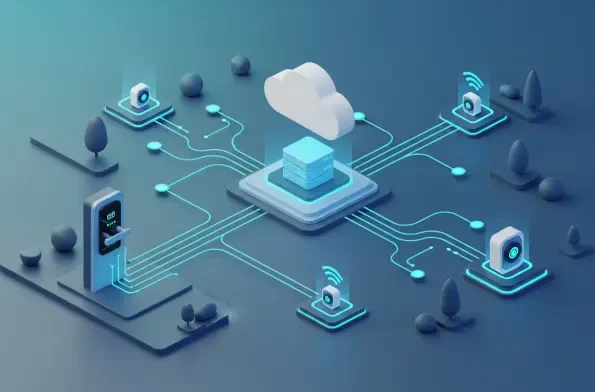
Cloud computing has become the backbone of intelligent locking systems, offering a level of scalability and flexibility that local server-based installations simply cannot achieve. By moving the management layer to the cloud, enterprises can oversee multiple global sites from a single dashboard, ensuring consistent security policies across all locations. This centralized approach reduces the burden on IT departments and allows for automated software updates that protect against the latest cybersecurity threats. Data analytics tools integrated into these platforms provide valuable insights into building utilization, helping managers optimize space and energy consumption based on traffic patterns. Moreover, the integration of third-party applications through open APIs has fostered a more collaborative environment where security systems interact with lighting and climate control. This interconnectedness transforms a simple door lock into a vital sensor that contributes to the smart building.
Eco Design
Self Power
Sustainability has emerged as a primary driver in the development of new locking hardware, with a strong focus on reducing the carbon footprint of building security systems. Innovations in energy-harvesting technology have allowed for the creation of wireless locks that generate their own power through the mechanical motion of the handle or key insertion. This eliminates the need for batteries or extensive wiring, significantly lowering the environmental impact and maintenance costs over the lifespan of the product. Manufacturers are increasingly utilizing recycled materials and implementing take-back programs to ensure that hardware components do not end up in landfills. These eco-friendly initiatives align with broader corporate social responsibility goals and regulatory requirements for green building certifications. By prioritizing energy efficiency and sustainable sourcing, the industry is demonstrating that high-level security does not have to come at the expense of the environment.
Next Steps
The evaluation of current trends indicated that the path toward fully autonomous security environments required a commitment to interoperability and long-term planning. It was determined that stakeholders who invested in modular systems were better positioned to adapt to emerging communication protocols without replacing entire hardware infrastructures. The industry observed that the most successful implementations prioritized end-to-end encryption and robust data privacy measures to build trust with end-users. It was concluded that facility managers should have conducted regular audits of their digital ecosystems to identify potential vulnerabilities in legacy components. The data suggested that the integration of artificial intelligence for predictive maintenance significantly reduced system downtime and operational overhead. Ultimately, the transition to intelligent locking was viewed as a foundational step in the digital transformation of the built environment for 2026.