Transitioning from the sophisticated complexities of the NASA space shuttle program to the rugged realities of global oil fields requires a unique blend of technical expertise and strategic foresight. ALCEA, an ASSA ABLOY subsidiary, recently appointed Mark Daus as the Vertical Market Sales Manager for Oil, Gas, and Mining to bridge this gap. Reporting to Jeff Slaughter, Daus brings a background in high-stakes engineering to the critical infrastructure sector.
Bridging the Gap Between NASA Engineering and Energy Security
Mark Daus began his career ensuring the safety of space shuttle components, a role where failure was never an option. This experience with complex technical systems now serves as the foundation for securing the energy industry’s most demanding environments. By applying “rocket science” precision to physical security, the focus shifts from simple barriers to integrated, high-assurance protection systems.
The move into energy security highlights a growing need for engineers who understand how small mechanical failures can lead to catastrophic operational shutdowns. Daus leverages his IT and aerospace experience to address the vulnerabilities inherent in large-scale energy production. This transition signifies a broader trend where industrial security adopts the rigorous standards of aerospace defense.
The Modern Security Crisis in Remote Infrastructure
Traditional physical key management is rapidly failing in an era marked by sophisticated theft and rising insider threats at remote locations. Unmanned well pads and pipeline gates in major production hubs like the Permian Basin have become prime targets for unauthorized access. These sites often operate in isolation, making them difficult to monitor with conventional security personnel or wired systems.
Moreover, regulatory bodies are increasing the pressure on companies to provide comprehensive audit trails for every access point. Compliance standards now demand that operators know exactly who entered a site and when they departed. The reliance on legacy mechanical keys offers no accountability, leaving infrastructure vulnerable to both physical tampering and legal liability.
Intelligent Solutions for the Unplugged Frontier
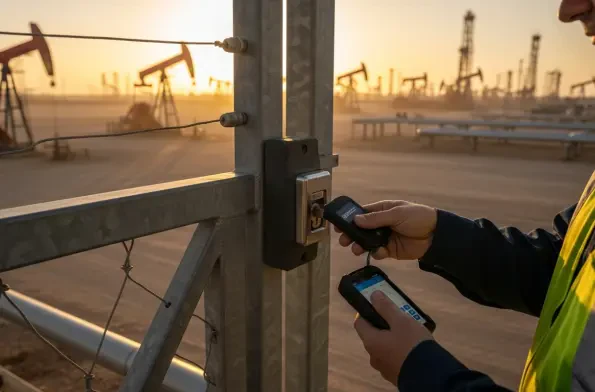
Geographically dispersed locations often lack the reliable power and network connectivity required for traditional electronic access control. Intelligent locking systems solve this by housing the necessary technology within the key and cylinder, eliminating the need for extensive field wiring. This approach allows for electronic oversight in the most “unplugged” and isolated corners of a mining operation or oil field.
Hybrid locking solutions further enhance this capability by providing a cost-effective alternative to full-scale electronic hardware deployment. These systems allow companies to scale their security efforts based on the specific risk profile of each asset. Case studies indicate that implementing these scalable technologies protects assets in harsh environments where traditional mechanical locks are easily bypassed.
Operational Fluidity: The Strategic Vision of Mark Daus
A central tenet of modern security strategy is that protection measures must not impede the flow of production. Mark Daus emphasizes that field technicians require seamless access to do their jobs effectively without compromising the site’s integrity. Accountability is vital for multinational operations like Halliburton, where thousands of individuals may need access to sensitive equipment across various regions.
The industry is consequently shifting toward ruggedized, intelligent hardware designed to survive extreme weather and heavy field use. Centralized management platforms allow security directors to oversee hundreds of unmanned points from a single interface. This strategic vision ensures that high-level security remains a facilitator of operational fluidity rather than a bottleneck for field activity.
Implementing a Scalable Security Framework for Energy and Mining
Transitioning from mechanical systems to auditable frameworks requires a clear roadmap that integrates with existing operational workflows. Organizations must evaluate the return on investment by calculating the reduction in theft and the mitigation of regulatory non-compliance fines. A phased implementation strategy allows for the modernization of the highest-risk sites before expanding across the entire infrastructure.
Operators prioritized the deployment of centralized digital credentials to eliminate the logistical nightmare of physical key distribution. The industry moved toward a future where every access event was recorded, analyzed, and used to optimize maintenance schedules. This shift established a new standard for protecting the resources that power the global economy.