The sheer velocity at which modern software ecosystems expand has transformed the once-simple act of installing a package into a high-stakes gamble with global infrastructure. As the foundation of modern web development, the NPM registry now faces an unprecedented scale of sophisticated supply chain threats. Security is no longer just a technical concern for individual developers but a critical infrastructure requirement for digital stability. This article examines the rise of self-replicating malware and analyzes GitHub’s decisive shift toward a “secure by default” execution model in NPM 12.
Mapping the Escalation of NPM Ecosystem Vulnerabilities
The JavaScript ecosystem has seen a significant spike in automated supply chain attacks, moving from simple credential theft toward complex, multi-stage infections. Recent data shows that campaigns like “Megalodon” compromised over 5,500 GitHub repositories by exploiting trusted dependencies. This level of automation signals a new phase where malicious actors leverage the very tools designed for developer productivity to propagate payloads across global networks.
Quantifying the Growth of Malicious Dependency Cycles
Security reports highlight a troubling trend toward self-replicating worms, specifically the Shai-Hulud strain, which weaponizes the default execution of lifecycle scripts. By hiding within the install process, these scripts spread silently across workstations, turning local environments into vectors for further infection. Blocking these scripts by default in NPM 12 represents a necessary pivot, addressing a threat surface that grew exponentially over the last 24 months.
Real-World Case Studies: From TeamPCP to Shai-Hulud
Recent incidents involving the TeamPCP group demonstrate how “postinstall” scripts execute unauthorized code the moment a package is downloaded. Furthermore, the Shai-Hulud Miasma attack specifically weaponized the binding.gyp file to bypass traditional script-blocking flags. Organizations like Grafana and Red Hat recently contended with these tactical exploits, proving that no entity is immune to the reach of compromised upstream code.
Expert Perspectives on the “Secure by Default” Paradigm Shift
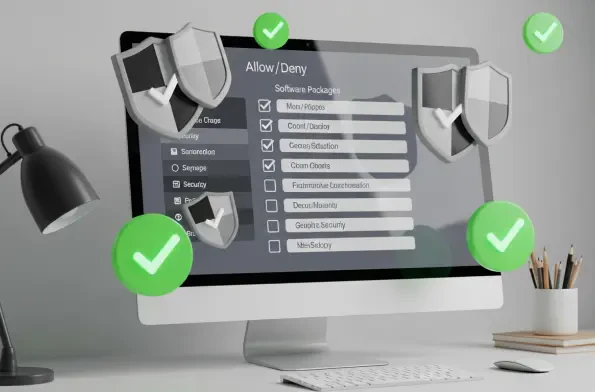
Security researchers argue that the move to NPM 12 is a necessary “breaking change” that prioritizes safety over the historical convenience of automatic configuration. Industry leaders emphasize that the introduction of npm approve-scripts creates a critical “human-in-the-loop” verification step, forcing developers to audit third-party code before execution. This shift effectively closes long-standing pathways used for remote code execution for years.
The Future of Module Consumption and Global Security Standards
The transition to explicit allowlisting signals a broader industry trend toward “Zero Trust” package management. While these changes will introduce initial friction, they will likely trigger a ripple effect across other managers like Yarn and PNPM. Future developments may include more granular permission models for packages, potentially limiting their access to the file system or network even when specific scripts are permitted to run.
Conclusion: Navigating the New Era of NPM Governance
The release of NPM 12 represented a landmark moment in supply chain security, as it effectively neutralized the most common vector for repository-based malware. By disabling automatic script execution, GitHub established a new baseline for developer workstation integrity that protected the broader ecosystem. Developers who adopted version 11.16.0 or later were able to audit their current projects and prepare for the mandatory security protocols. This transition successfully forced a more rigorous approach to vetting code, which created a more resilient and transparent environment for the entire global software community.