In the increasingly crowded and contested domain of Low-Earth Orbit, where thousands of satellites and pieces of debris travel at speeds exceeding 28,000 kilometers per hour, the window for responding to a potential threat is measured in minutes, not hours. Recognizing this critical vulnerability, Space Machines Company (SMC) has been awarded a significant $2.9 million contract by Australia’s Defence Advanced Strategic Capabilities Accelerator (ASCA) to spearhead the development of a revolutionary AI-driven threat detection system. This ambitious project, named the Space Threat Analysis and Response System (STARS), is designed to provide a new level of situational awareness and protection for Australia’s vital national and allied space assets. The initiative marks a pivotal step forward in bolstering the nation’s sovereign space capabilities, aiming to transform how threats are identified, predicted, and neutralized in the high-stakes environment orbiting our planet. The development of STARS represents a direct response to the growing need for autonomous, rapid decision-making to safeguard the infrastructure that underpins modern communication, navigation, and defense.
Revolutionizing Threat Detection in Orbit
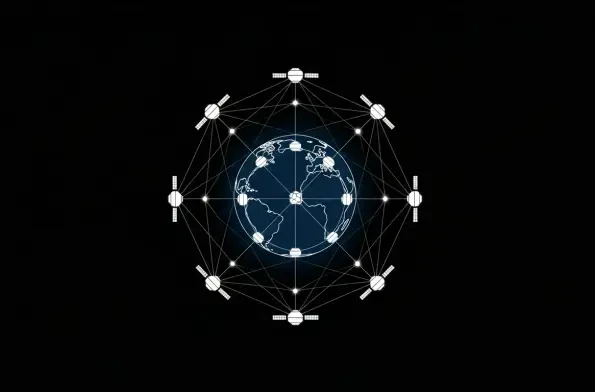
The core of this new initiative is a comprehensive 24-month plan to elevate the Space Threat Analysis and Response System from a promising technological concept into a fully functional working prototype. The system is being engineered to serve as an advanced data fusion hub, capable of ingesting and processing an immense volume of complex information from a wide array of sources. These will include data streams from sophisticated ground-based space awareness systems as well as various commercial data providers, creating a multi-layered view of the orbital environment. At its heart, STARS will leverage cutting-edge artificial intelligence and advanced data analytics to autonomously sift through this information. Its primary function will be to predict potential threats in near real-time, identifying dangerous activities such as unauthorized rendezvous and proximity operations (RPO), close flybys that pose a collision risk, and any attempts at electronic or physical interference with friendly spacecraft. This addresses a critical operational gap, drastically reducing the response timeline from the hours it might take for human analysis to mere minutes, a crucial advantage in the fast-paced LEO domain.
A pivotal objective of the project extends beyond simple threat detection to the seamless integration of STARS into a robust command and control framework, ensuring that its powerful insights can be translated into decisive action. This integration will be centered on SMC’s proprietary Solstice OS platform, an operating system specifically designed to manage and streamline the complex operations of entire spacecraft fleets. By embedding STARS within Solstice OS, SMC aims to create a cohesive ecosystem where threat intelligence directly informs operational responses. Upon the successful completion and validation of the prototype, this integrated system will lay the groundwork for the future coordination of a fleet of Optimus Viper Rapid Response Vehicles. These specialized spacecraft would be able to act on the intelligence provided by STARS, creating a comprehensive defense architecture that encompasses detection, analysis, and active response. This forward-thinking approach promises to deliver an end-to-end solution for space asset protection, moving beyond passive monitoring to enable a proactive and dynamic defense posture in orbit.
Bolstering Sovereign Capability and Allied Defense
The development of the STARS platform represents a landmark achievement in establishing a crucial sovereign capability for Australia in the space domain. According to SMC CEO Rajat Kulshrestha, this project is not merely a technological advancement but a strategic imperative that directly contributes to the long-term resilience of the allied space defense industrial base. By developing this sophisticated AI-powered system domestically, Australia reduces its reliance on foreign technologies for critical defense functions and cultivates a highly skilled local workforce proficient in the new frontier of space security. This initiative fosters an ecosystem of innovation, encouraging further investment and research into space-related technologies within the country. The establishment of such a sovereign capability ensures that Australia can independently protect its space assets while also positioning itself as a key contributor to the collective security of its allies, enhancing its standing and influence within international defense partnerships and multi-domain operational planning.
The strategic vision for STARS extended far beyond national defense, as the contract laid the foundation for a mature capability that could be offered to allied partners through the integrated Solstice OS platform. This collaborative framework was designed to allow coalition forces to leverage their own unique intelligence sources, feeding them into the STARS network to create a richer, more comprehensive picture of the orbital battlespace. By coordinating their data and protective responses through a common platform, allies could achieve a level of interoperability and collective security previously unattainable. This approach not only bolstered Australia’s role in allied multi-domain operations but also promoted a unified front against emerging threats in space. The project’s successful implementation was intended to establish a new standard for international cooperation in space defense, ensuring that allied nations could work together seamlessly to protect their shared interests in the increasingly vital high ground of Earth’s orbit.