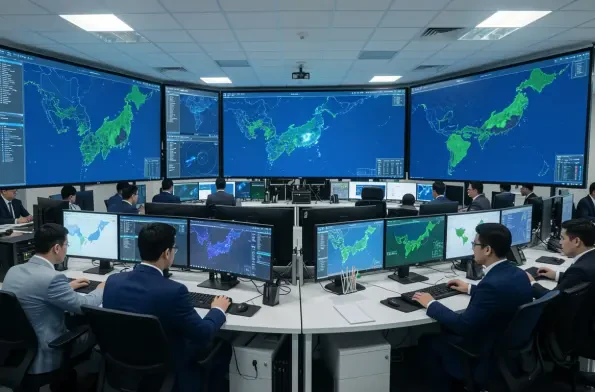
The digital sovereignty of island nations has become the front line of global espionage as localized cyber campaigns transform into sophisticated instruments of geopolitical influence. Taiwan remains a primary focus for state-aligned adversaries who view the data held by non-governmental organizations and academic bodies as a treasure trove of strategic intelligence. These entities often operate with significant public trust but lack the hardened security perimeters of corporate giants, making them ideal entry points for long-term monitoring operations.
The current landscape reveals a shift toward hyper-specific targeting where broad-spectrum attacks are replaced by surgical strikes. Threat actors now prioritize deep reconnaissance to understand the social and political nuances of their targets. By focusing on the intersection of public service and research, these groups can harvest sensitive intellectual property and track influential social movements, turning civilian infrastructure into a silent battlefield for regional supremacy.
Analyzing the Evolving Landscape of Targeted Espionage in East Asia
Modern cyber warfare in the region has evolved from simple data theft into a complex game of institutional subversion. Adversaries are no longer content with hitting and running; they seek to embed themselves within the very fabric of civil society. This strategy allows them to influence narratives and monitor political shifts in real time. Because NGOs often handle sensitive diplomatic and humanitarian data, their compromise provides a window into the inner workings of regional policy that official government channels might keep hidden.
Furthermore, the academic sector serves as a vital repository of human capital and emerging technology. By targeting universities, actors can gain access to cutting-edge research and the personal communications of future leaders. This long-term approach to espionage highlights a sophisticated understanding of how soft targets can yield high-value strategic dividends. The goal is rarely immediate disruption but rather the slow, methodical accumulation of influence that can be leveraged during periods of heightened political tension.
Technical Innovations and Behavioral Shifts in Modern Malware Delivery
Emerging Trends in Geofenced Payloads and Modular Malware Architecture
The emergence of the UAT-10362 group demonstrates a move toward extreme regional precision through the use of geofenced infection chains. By implementing language checks that specifically look for Traditional Chinese settings, these actors ensure their payloads only execute on intended systems. This tactic effectively blinds many automated analysis tools that default to English or other common languages. It reflects a maturing industry standard where stealth is maintained by ensuring the malicious code remains dormant in any environment that does not perfectly match the target profile.
Modern malware architecture is also becoming increasingly modular, blending high-performance languages like Rust with the flexibility of Lua interpreters. This combination allows for a high degree of adaptability, enabling attackers to swap out malicious modules without rewriting the entire core of the application. By utilizing DLL side-loading and abusing legitimate system binaries, these threats blend into the background of normal administrative activity. This shift toward living off the land makes detection based on file signatures nearly impossible for traditional security suites.
Quantifying the Surge in Targeted Attacks Against Civil Society
Recent data indicates a significant uptick in the use of specialized stagers like LucidRook to maintain persistence within sensitive networks. These campaigns often begin with highly personalized spear-phishing attempts that mimic trusted third-party services or local government communications. Growth projections for the threat intelligence sector suggest that as defensive perimeters around government agencies harden, the volume of attacks directed at their less-defended partners in the non-profit sector will continue to rise.
Performance metrics for these campaigns show a concerning success rate when leveraging legitimate public cloud services for command-and-control operations. By using established platforms for data exfiltration, attackers can hide their traffic within the noise of daily organizational operations. This level of tradecraft suggests that adversaries are investing heavily in reconnaissance tools like LucidKnight to profile host environments before deploying more intrusive payloads. This tiered approach ensures that high-value resources are only spent on systems that have already been confirmed as valuable targets.
Navigating the Obstacles to Defending High-Value Civil Society Targets
Securing the perimeter of an NGO or a university is a daunting task due to the diversity of unmanaged devices and the limited nature of cybersecurity budgets. These organizations often rely on volunteers or visiting researchers who bring their own hardware, creating a fragmented network that is difficult to monitor. Moreover, the reliance on open-source tools and legacy systems provides a wide attack surface for sophisticated groups to exploit. Traditional blocklisting strategies often fail because these actors use compromised legitimate servers to host their malicious infrastructure.
The use of OAST services and temporary communication channels further complicates the job of network defenders. When an adversary uses a legitimate service like Gmail or a compromised FTP server for exfiltration, standard traffic monitoring tools may not flag the activity as suspicious. To counter these obstacles, organizations must pivot toward behavioral analytics. Detecting the subtle anomalies of a PowerShell script running an unusual binary or a sudden spike in outbound traffic to a cloud provider is the only way to catch these stealth-first operations before they reach their final objectives.
The Impact of Cybersecurity Regulations and Global Compliance on Regional Defense
The discovery of specialized tools like LucidRook highlights a pressing need for updated regulatory frameworks that encompass the non-profit and academic sectors. National security guidelines are beginning to reflect the reality that the resilience of civil society is a component of overall state security. New mandates are pushing for standardized incident reporting and more rigorous data protection audits. Compliance is moving from a back-office administrative task to a front-line defensive requirement, forcing organizations to take their digital footprint as seriously as their physical security.
Furthermore, international cooperation in threat hunting is becoming a cornerstone of regional stability. As regulations evolve, there is a greater emphasis on sharing threat intelligence across borders and sectors. This collective defense model is essential for identifying the patterns of mature actors who operate across multiple jurisdictions. For many smaller organizations, aligning with these global standards provides a roadmap for building resilience that would be impossible to achieve in isolation.
Anticipating the Next Generation of Stealth-First Adversaries
The future of digital espionage is trending toward the integration of identity-aware malware that can customize its behavior based on the specific metadata of its host. We are likely to see a greater use of encrypted communication channels that are virtually indistinguishable from legitimate business traffic. As adversaries refine their ability to hide in plain sight, the focus of cyber defense must shift toward automated deception technology. Sandbox environments will need to become more sophisticated, mimicking the exact linguistic and cultural settings of the target to trick geofenced malware into revealing its true nature.
Innovation in defensive strategies will also rely on the widespread adoption of zero-trust architectures within the civil sector. By assuming that the network is always compromised, organizations can limit the lateral movement of an attacker even after an initial breach. This approach reduces the impact of a single compromised device and forces the adversary to perform more detectable actions to reach their ultimate goal. The next phase of this conflict will be defined by which side can more effectively use automation to either hide their presence or uncover the presence of others.
Synthesizing the Threat Profile of UAT-10362 and Recommendations for Institutional Resilience
The emergence of UAT-10362 signaled a significant advancement in how regional threats are constructed and deployed against the social sectors of Taiwan. This campaign proved that linguistic precision and the abuse of trusted binaries have become foundational elements of professional espionage. Stakeholders had to acknowledge that their organizations were no longer collateral damage in broader conflicts but were instead the primary targets of focused intelligence operations. The technical sophistication of the LucidRook suite served as a wake-up call for the necessity of more proactive defense measures.
In response to these findings, institutions began prioritizing the implementation of granular visibility into their system processes. Auditing the usage of legitimate Windows binaries and monitoring for DLL side-loading became standard practices for internal security teams. Cultivating a culture of cybersecurity awareness was identified as the most effective defense against the initial spear-phishing attempts that fueled these campaigns. By treating security as a continuous process rather than a one-time project, organizations were able to build a more resilient posture that accounted for the nuanced tactics of highly capable adversaries.