The Vulnerable Intersection of High-Performance Computing and Digital Play
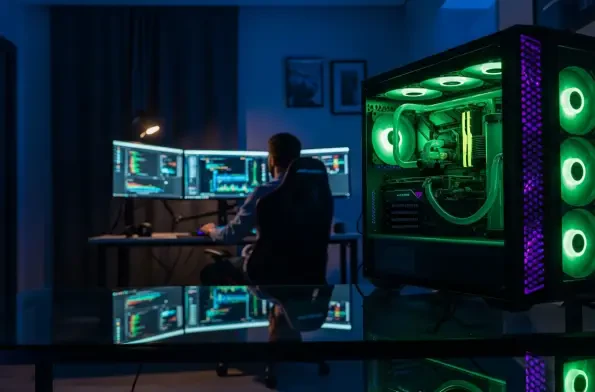
The sophisticated fusion of high-performance gaming hardware and third-party optimization software has inadvertently created an expansive and lucrative attack surface for modern cybercriminals. Security professionals note that the average gamer machine is no longer just a toy; it is a powerful node capable of significant computational output, making it a prime target for high-level Remote Access Trojans (RATs). This enthusiasm for “mods” and performance boosters provides an entry point that traditional enterprise security might overlook as a mere recreational curiosity.
Because players often seek out specialized utilities to gain a competitive edge, the line between helpful software and espionage tools has become dangerously thin. Analysts observing these trends suggest that the technical enthusiasm of the gaming community often serves as a high-value gateway for threat actors. As the complexity of these tools grows, the risk to both personal data and corporate networks increases, especially when gaming rigs are used for remote work or sensitive financial transactions.
Deconstructing the Anatomy of Modern Gaming-Centric Cyberattacks
The Illusion of Utility: Deceptive Payloads in Multi-Purpose Tools
The allure of “all-in-one” utilities remains a potent trap for those looking to squeeze every frame of performance out of their hardware. Industry experts report that deceptive payloads are frequently bundled with tools that promise to optimize system resources or unlock restricted software features. Because these programs are often distributed via popular community forums and chat applications, they carry an unearned aura of legitimacy that successfully tricks even relatively tech-savvy individuals into bypassing their own security protocols.
Modern campaigns have shifted away from crude executable files toward a more nuanced chain of infection that minimizes the digital footprint. Cyber researchers highlight how attackers now favor “living-off-the-land” techniques, using legitimate system tools like cmstp.exe and PowerShell scripts to carry out illicit tasks. By masking malicious activity within the noise of daily operations, these threats manage to bypass standard signature-based defenses, effectively turning a user’s own operating system against them.
Steaelite’s Rise: The Commercialization of “Fully Undetectable” Malware
A particularly concerning development is the commercialization of malware through sophisticated platforms like Steaelite. Experts in the field describe this as a shift toward a comprehensive exploitation dashboard, where an attacker can manage data theft, live webcam surveillance, and clipper modules through a simplified web interface. This “Malware-as-a-Service” model means that technical barriers to launching a sophisticated double-extortion campaign have virtually vanished, allowing a wider range of criminals to participate in high-stakes digital theft.
The integration of advanced features such as UAC bypasses and the automatic disabling of security software further lowers the barrier for total host compromise. Market observers note the shift toward professional-grade interfaces that cater to low-skill attackers, providing them with tools once reserved for elite hacking collectives. This democratization of cybercrime ensures that the volume of attacks continues to grow, as the ease of use makes these platforms highly attractive on underground forums.
Geopolitical Dimensions and the Proliferation of KazakRAT
While financial gain remains a major driver for many attackers, the discovery of specialized variants like KazakRAT points to more complex motivations. Observers have linked these malware families to state-affiliated clusters targeting entities in Central Asia and the Middle East, proving that gaming tools can be a stepping stone for geopolitical espionage. The versatility of these tools, which can transition from simple data collection to long-term surveillance, makes them invaluable assets for state-sponsored actors seeking a quiet entry point.
The overlap between civilian recreational software and national security threats underscores the incredible versatility of modern RAT modules. Analysts suggest that the same techniques used to compromise a casual gamer’s PC are being repurposed for high-stakes intelligence gathering. This dual-use nature of gaming-centric malware means that a vulnerability in a niche performance tool could potentially have far-reaching consequences for regional stability and corporate secrets.
Persistence Tactics: Moving Beyond Initial Infection
The true danger of a modern RAT lies in its ability to hide in plain sight for months or even years. Forensic teams have documented cases where malware creates its own exclusions within Microsoft Defender, ensuring that it remains untouched during routine system scans. By using obfuscated startup scripts and periodic communication with remote command-and-control servers, these tools ensure that the infection survives system reboots and remains active even after an initial discovery.
This modularity allows the malware to evolve in real-time to counter any defensive measures taken by the victim. Once a foothold is established, the attackers can dynamically download additional payloads, such as Android-compatible ransomware or specialized data exfiltration kits. This adaptive nature makes persistence the primary objective for modern threat actors, as a long-term presence on a high-performance machine provides a stable platform for lateral movement across other connected networks.
Strategic Defense and Mitigation in an Era of Automated Exploitation
Countering such integrated threats requires a departure from reactive security models toward a framework of constant behavioral monitoring and proactive auditing. Professionals advise that users must regularly inspect their systems for unauthorized scheduled tasks or unusual exclusions in their security suites that may have been added without consent. When a breach is suspected, the consensus among researchers is that immediate isolation of the device is the only way to prevent the infection from spreading across a local network.
Adopting a zero-trust approach to third-party utilities is another critical step in mitigating risk within the gaming ecosystem. Security leaders recognize the importance of enforcing multi-factor authentication across all accounts to limit the impact of credential harvesting. By treating every unverified performance tool as a potential threat, individuals and organizations can significantly reduce their vulnerability to the automated exploitation chains that define the current malware landscape.
Future-Proofing Security Against Comprehensive System Exploitation
The rise of Steaelite and its peers established a new standard for how digital assets were compromised and exploited at scale. Security researchers focused on the necessity of a zero-trust architecture, where no third-party utility was granted implicit trust regardless of its perceived utility. These efforts moved toward a more resilient digital environment where behavioral analysis and strict credential management became the primary safeguards against invisible system takeovers.
As these tools became more automated, the focus shifted toward the isolation of high-performance environments from sensitive personal data. Future defensive strategies prioritized the use of hardware-level virtualization to run third-party software, ensuring that even a successful compromise remained contained within a disposable container. These proactive steps moved the community closer to a balance between high-performance play and the rigorous security requirements of a modern digital existence.