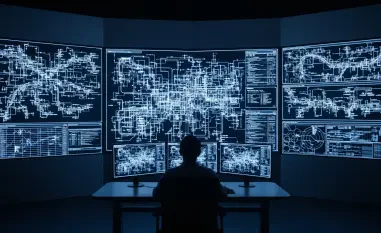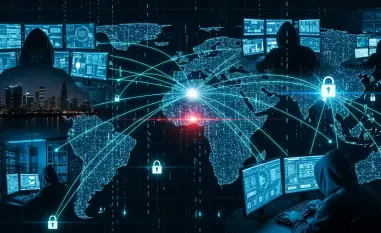
The sudden loss of control over a local water treatment plant or a regional power grid is no longer the plot of a Hollywood thriller but a persistent reality for modern utility operators. As geopolitical tensions spill over into the digital realm, state-sponsored actors have sharpened their focus on the mechanical heart of American industry. This shift toward targeting operational technology marks a dangerous evolution in global conflict, where the goal is no longer just stealing data but disrupting the physical services that citizens rely on every single day.
Understanding how to fortify these systems requires a deep dive into the specific methods used by advanced persistent threat groups. By exploring the vulnerabilities inherent in industrial hardware and the strategies employed by foreign adversaries, organizations can better prepare for a landscape where cyber defense is synonymous with public safety. This guide examines the current threat environment, identifies critical technical weaknesses, and provides a roadmap for securing the nation’s most vital assets against sophisticated interference.
Key Questions and Strategic Responses
Which Specific Sectors Are Currently Facing the Greatest Risk?
Recent advisories from the Cybersecurity and Infrastructure Security Agency emphasize that Iranian-backed groups are casting a wide net across critical national infrastructure. The primary targets include water and wastewater systems, energy providers, and municipal government services. These sectors are particularly vulnerable because they often operate on aging hardware that was never intended to be connected to the public internet, yet modern demands for remote monitoring have pushed them online.
The impact of these intrusions goes far beyond digital defacement or temporary service lag. When an adversary gains access to a municipal water system, they can manipulate chemical levels or pressure settings, creating immediate risks to human health. Similarly, energy providers face the threat of localized blackouts or equipment damage that could take weeks to repair. The objective of these campaigns is rarely financial gain; instead, they serve as a tool for state-sponsored coercion, aimed at creating public anxiety and demonstrating the fragility of domestic stability.
What Technical Methods Are Attackers Using to Breach Industrial Systems?
Threat actors are increasingly exploiting internet-facing operational technology assets, with a specific focus on programmable logic controllers. In many instances, attackers utilize configuration software like Rockwell Automation’s Studio 5000 Logix Designer to establish unauthorized connections. By routing their traffic through overseas IP addresses and third-party hosted infrastructure, these groups can bypass basic geographical filters and manipulate the data seen by human operators on SCADA displays.
Technical forensic analysis has identified several high-risk entry points, specifically targeting ports such as 44818, 2222, and 502. Furthermore, the deployment of Dropbear Secure Shell software on port 22 has become a common tactic for maintaining persistent remote access within a network. Once inside, the attackers can alter the logic of the controllers, causing machinery to behave in ways that contradict the information shown on monitoring screens, effectively blinding the staff to the actual state of the facility.
Why Do These Vulnerabilities Persist in Modern Infrastructure?
A significant portion of the current risk stems from the legacy of temporary remote access paths that were created during past operational shifts and never properly decommissioned. These forgotten “backdoors” provide a permanent invitation to sophisticated actors who scan the internet for exposed industrial devices. There is also a persistent visibility gap between IT and OT telemetry, meaning that security teams often see what is happening on the office computers but remain entirely unaware of malicious activity occurring on the factory floor.
Moreover, many organizations have historically prioritized the confidentiality of data over the physical integrity of control systems. While protecting sensitive information is important, the current threat landscape demands a focus on preventing physical disruption. Industry experts warn that as long as programmable logic controllers remain directly accessible via the public internet without robust gateways or firewalls, they will continue to be low-hanging fruit for state-sponsored entities looking to project power through digital means.
Summary: Reinforcing the Digital Perimeter
Securing critical infrastructure required a move away from passive monitoring toward aggressive technical shielding. Operators were urged to implement secure gateways and robust firewalls to ensure that industrial controllers were never directly exposed to the open web. Auditing logs for suspicious traffic from overseas IPs became a mandatory practice for detecting early-stage reconnaissance. Additionally, physical safeguards, such as setting controller mode switches to the “run” position, provided a final line of defense against unauthorized logic changes. These combined efforts served to narrow the window of opportunity for foreign adversaries and protected the essential services that form the backbone of the country.
Conclusion: Looking Toward Future Resilience
The escalating nature of these cyber campaigns suggested that the boundary between digital security and physical safety had permanently dissolved. Organizations realized that incident response plans needed to evolve, focusing on maintaining operational continuity even when primary control systems were compromised. By fostering a culture of constant vigilance and integrating IT and OT security perspectives, infrastructure providers moved closer to a state of true resilience. The ongoing challenge remains staying ahead of the technical ingenuity of state-sponsored groups, ensuring that the systems providing water, power, and safety remained insulated from the volatile shifts of global politics.