Editorial

The Protocol That Can Make Email Interception Obsolete The email your CFO sent this morning traveled through at least half a dozen servers before reaching its destination. At any one of those handoffs, without proper encryption enforcement, an attacker could have read, copied, or altered its

As organizations distribute workloads across multiple cloud providers, the security model built around network boundaries becomes a liability. The perimeter that once separated trusted from untrusted no longer holds. A sprawling network of user accounts, service accounts, AI agents, and automated

Cyberattacks are outpacing the defenses built to stop them. Attackers now operate with automation and precision that reduces the window between intrusion and business damage. This shift is happening faster than any manual process can respond. This article explores why autonomous defense has become

Security teams are evaluating agentic AI because security operations need faster triage, investigation, and response. The appeal is clear: AI agents can work across alerts and data sources at machine speed. However, speed alone does not guarantee better decisions. For defensive AI, context

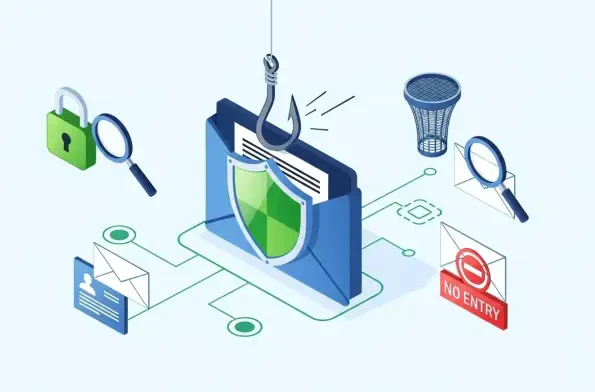
Over the past years, the phishing playbook has been rewritten. In 2026, fraudulent emails don't arrive riddled with typos or bizarre requests from foreign royalty, which were easy to recognize. Nowadays, they land in inboxes looking polished, contextually relevant, and disturbingly
AI is being adopted across enterprise infrastructure faster than most security programs can respond. The result is a recognizable pattern: pilots stall, leaders question control, and business value sits idle while compliance reviews drag on. What security teams need is a security architecture built

Read More