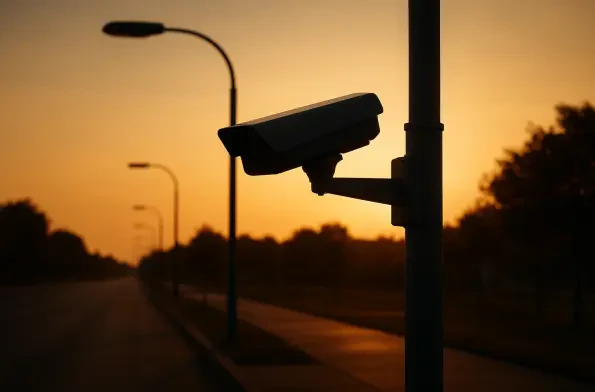
The coalition of six speakers, supported by the ACLU of Rhode Island, formally requested that the existing camera network be physically dismantled immediately. This movement marks a significant escalation in the ongoing dialogue regarding the deployment of automated license plate readers within the municipality. Residents have voiced deep-seated concerns that the technology, while marketed as a tool for public safety, operates as a dragnet that captures the movements of law-abiding citizens without probable cause. Council President Michael Kinch emphasized the necessity of a thorough legal review before any final decisions are made, particularly in light of litigation in surrounding areas. The tension between local governance and civil liberties has become a focal point of town meetings, reflecting a national trend of skepticism toward private surveillance firms. By questioning the necessity of these devices, the community is forcing a debate on whether the promise of security justifies the constant monitoring of public life.
Legal Liabilities and the Risk of Misidentification
The push for removal is largely driven by fears of wrongful arrests and the potential legal fallout stemming from technical inaccuracies within the system. Critics often point to a high-profile federal lawsuit in East Providence where a woman was allegedly misidentified by the software, resulting in a traumatic and entirely unwarranted confrontation with law enforcement. Such incidents serve as a sobering reminder that the algorithms powering these cameras are not infallible. When the technology fails to correctly match a license plate or interprets data incorrectly, the consequences for the individual involved can be devastating. This specific case has galvanized local activists who argue that the risk of a “false positive” is far too high for a system that operates with such little oversight. The emotional and physical toll of being targeted by mistake highlights a fundamental flaw in relying on automated systems for high-stakes police interventions in the neighborhood.
Beyond the immediate impact on individuals, the town faces significant municipal liability if the system continues to generate erroneous leads for the police department. Legal experts suggest that continued reliance on a platform with known accuracy issues could lead to a wave of litigation that would drain local resources and damage public trust. The inherent risks in the system’s algorithms suggest that the technology may create a hostile environment where innocent drivers are treated as suspects. This creates a precarious situation for the town council, which must now weigh the investigative utility of the cameras against the potential for costly lawsuits and civil rights violations. As the legal landscape around surveillance continues to evolve throughout 2026 and into 2027, the financial burden of defending these systems could eventually outweigh any perceived benefit to public safety. Consequently, the focus has shifted toward whether the town can afford the liability associated with such high-tech surveillance.
Mass Surveillance and the Erosion of Privacy
While the primary function of the devices is to recognize license plates, the high-resolution imagery captured by the cameras often goes much further than simple alphanumeric tracking. The system is capable of documenting vehicle makes, models, and even unique identifiers such as specific bumper stickers or the presence of occupants within the cabin. Residents testified that this granular level of detail facilitates a form of “data mining” that reveals intimate patterns of their daily lives. By aggregating this information, law enforcement can reconstruct a detailed 30-day history of a person’s movements, including visits to medical facilities, schools, and private businesses. This capability effectively eliminates the anonymity that citizens traditionally enjoy when traveling on public roads. The concern is that this comprehensive digital footprint could be used for purposes far beyond the tracking of stolen vehicles, leading to a permanent record of everywhere a resident chooses to go.
Furthermore, the potential for internal abuse remains a primary concern for privacy advocates who fear the technology could be repurposed for personal reasons. There have been disturbing reports from other jurisdictions where law enforcement personnel used similar surveillance infrastructure to stalk individuals or monitor ex-partners. This potential for “mission creep” suggests that once the infrastructure is in place, it becomes difficult to restrict its use to purely criminal investigations. The lack of a robust, independent auditing process means that residents must rely solely on the internal policies of the police department to prevent misconduct. Without transparent safeguards, the risk of a “big brother” scenario becomes increasingly plausible, where the movements of any individual can be scrutinized at the whim of an official. This erosion of privacy is viewed by many as an unacceptable trade-off, particularly when the data is stored in databases that are accessible to a wide variety of state and federal agencies.
Critical Cybersecurity Vulnerabilities and Digital Safety
Technical experts have recently raised alarms regarding the physical and digital security of the hardware itself, citing numerous vulnerabilities documented in the National Vulnerability Database. One engineer provided a detailed explanation of how a simple physical manipulation of the device could force it to broadcast an unencrypted Wi-Fi hotspot. This flaw could potentially expose live camera feeds and sensitive metadata to any nearby hacker with basic technical skills. The idea that a surveillance tool meant to increase safety could actually serve as a gateway for cybercriminals is particularly troubling for the local administration. If the infrastructure is compromised, the sensitive data of thousands of residents could be intercepted, leading to identity theft or other forms of digital exploitation. These vulnerabilities suggest that the system may not be as secure as the manufacturer claims, posing a direct threat to the very people it is intended to protect in our local communities.
Most alarming among the technical findings was the revelation that many of these devices purportedly utilize a hardcoded password—specifically the word “security”—making them incredibly easy targets for bad actors. This lack of basic cybersecurity hygiene is a significant red flag for a system that handles sensitive law enforcement data and public imagery. A hacker who gains control of the town’s surveillance infrastructure could potentially manipulate data, delete records, or even disable the network entirely during a critical event. The possibility of hijacking the town’s camera network turns a supposed asset into a liability that could be weaponized against the public. Critics argue that the town should not be entrusting its digital security to a private corporation that appears to have overlooked fundamental protection measures. As cyber threats become more sophisticated from 2026 to 2028, the inclusion of such vulnerable hardware in the town’s infrastructure seems like an increasingly dangerous and ill-advised gamble.
Policy Transparency and Governance Challenges
Advocacy groups have directed sharp criticism toward the contractual agreements between the town and the service provider, which reportedly restrict local governments from performing independent audits. This lack of transparency prevents the town from verifying the actual security protocols and data handling practices used by the private company. Without the ability to conduct an outside review, the council is essentially forced to take the manufacturer’s word at face value regarding the safety of the system. This arrangement has fueled suspicions that the hardware might possess capabilities that have not been fully disclosed to the public. For instance, some critics worry about the potential for tracking Bluetooth signals from passengers’ phones, a feature that could theoretically identify individuals even if their license plate is not visible. While the company has denied these claims, the inability to perform an independent verification leaves a cloud of doubt over the entire operation of the network.
The sense that the town has surrendered too much control to a private corporation is a recurring theme in the testimony provided by concerned residents. When a private entity manages the data and the hardware, the public’s ability to hold officials accountable is severely diminished. Many believe that surveillance of public spaces should be a strictly public function, governed by transparent laws rather than proprietary corporate policies. The inability to access the internal workings of the system creates a “black box” effect, where the logic behind certain alerts or data retentions remains hidden from the taxpayers who fund the project. This power imbalance is seen as a threat to democratic governance, as it places a private company in a position of significant influence over local law enforcement operations. As long as these contractual barriers exist, the community remains in the dark about how their information is truly being managed and who has ultimate control over their personal data.
Reconciling Public Safety With Ethical Oversight
While many voices in the community call for an outright ban, some residents suggest a more nuanced approach that considers the system’s successful investigative outcomes. There have been documented cases where the cameras played a role in solving high-stakes crimes, such as armed robberies and vehicle thefts, which might have otherwise gone cold. Proponents of this view argue that the technology, when used responsibly, serves as a powerful deterrent and a vital tool for modern policing. They suggest that instead of immediate removal, the town should implement a rigorous and transparent review process to ensure ethical usage. This perspective advocates for the development of public-facing protocols regarding how long data is kept and who is allowed to access it. By creating a system of checks and balances, these residents hope to preserve the investigative benefits of the technology while mitigating the risks to civil liberties that have caused so much public outcry and division.
Moving forward, the town council prioritized the establishment of a specialized oversight committee to evaluate the necessity of every camera currently in operation. This body worked to draft a comprehensive ordinance that strictly limited data retention periods and mandated annual security audits by third-party experts. Officials also explored the implementation of “auditable logs” that would record every time an officer accessed the system, ensuring that any misuse could be traced and prosecuted. By shifting from a model of passive acceptance to one of active management, the town aimed to reclaim control over its digital infrastructure. These steps provided a framework for other municipalities facing similar dilemmas, proving that public safety does not have to come at the expense of transparency. Ultimately, the community moved toward a policy where technology must earn its place through proven results and unyielding respect for the privacy of every citizen who travels through the town’s streets.