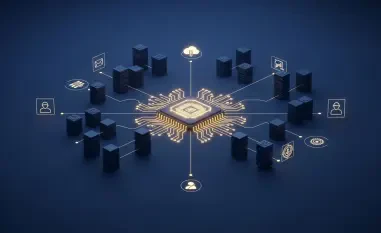
The digital echoes of a human life now persist long after the physical body has failed, yet the infrastructure meant to protect this legacy remains dangerously fragile and fragmented. When a person passes away, their accounts often become ghost ships, floating in a regulatory void that leaves sensitive data vulnerable to exploitation. The OpenID Foundation recently highlighted these systemic vulnerabilities, emphasizing that the absence of standardized protocols for digital inheritance poses a significant threat to global security.
Current digital estates lack the basic protections afforded to physical property, creating a landscape where identity theft and financial fraud can flourish unchecked. To address this, a comprehensive framework is needed to bridge the gap between technical reality and legal necessity. The Foundation’s guide covers essential ground, exploring the legal discrepancies across borders, the rising threat of AI-driven impersonation, and the technical requirements for secure account transitions.
The Critical Importance of Standardizing Digital Afterlife Protocols
Treating death as a technical “edge case” or a rare anomaly is a fundamental oversight that leads to long-term security failures for platforms and users alike. When service providers fail to account for the inevitability of mortality, they inadvertently create backdoors for hackers and social engineers who prey on the accounts of the deceased. Standardization transforms this chaotic process into a predictable, secure transition that preserves the integrity of the digital ecosystem.
Moreover, a unified approach reduces the immense legal friction currently experienced by executors and grieving family members. By moving toward standardized protocols, tech providers can foster deeper consumer trust and ensure the long-term stability of their platforms. Proactive frameworks allow for the orderly decommissioning or transfer of assets, preventing the accumulation of “zombie” data that serves no purpose other than to entice cybercriminals.
Actionable Best Practices for Securing Posthumous Digital Identities
Securing a digital legacy requires a shift in perspective from ad-hoc account management to a structured, policy-driven roadmap for asset transition. Policymakers and technology providers must collaborate to move beyond the current reactive model, where access is often granted only after lengthy legal battles. Instead, the focus should be on building systems that recognize authorization through pre-verified, secure channels.
The transition toward robust digital succession starts with implementing clear delegation pathways. This involves creating a standardized environment where users can designate heirs within the platform’s security settings. This shift ensures that the transfer of digital property is not just a matter of convenience, but a rigorous process backed by cryptographic certainty and verifiable legal standing.
Establishing Robust Legal Frameworks for Digital Assets
The current legal landscape struggles to keep pace with the velocity of digital innovation, often leaving executors without clear authority to manage non-physical property. Lawmakers must prioritize updating inheritance statutes to explicitly recognize digital assets, including cryptocurrencies, private communications, and cloud storage. Extending privacy rights beyond death is crucial to ensuring that a user’s final wishes are respected and their data is protected from unauthorized commercial use.
Global Discrepancies and the GDPR Case Study
A significant challenge lies in the jurisdictional “black hole” created by differing data protection laws, such as the European GDPR and California’s CCPA. These regulations often cease to offer protection once an individual dies, creating a period of vulnerability where personal data is neither private nor accessible to legitimate heirs. This inconsistency highlights the desperate need for international cooperation to harmonize how digital remains are handled across different legal territories.
Implementing Technical Solutions for Secure Account Delegation
Moving away from the hazardous practice of password-sharing is a cornerstone of modern digital security. Instead of handing over master credentials, which compromises the entire security chain, platforms should implement “on-behalf-of” delegation systems. These systems allow an executor to perform specific, audited actions without ever gaining full, unfettered access to the deceased’s entire digital history.
The Evolution of Legacy Contact Features in Major Tech Ecosystems
Early iterations of legacy contact tools in social media have provided a baseline, but they frequently lack the automation and verification required for high-stakes security. The next generation of these tools must incorporate verifiable triggers, such as death certificates issued by trusted authorities, to activate delegation protocols. This automation removes the guesswork and reduces the risk of fraudulent account takeovers initiated by bad actors.
Developing Interoperable Standards for Data Portability
Digital property should not be trapped within the “walled gardens” of specific tech giants, as this prevents an holistic management of an individual’s estate. Universal protocols are essential for ensuring that data can be audited and moved across different service providers with ease. This interoperability allows for a seamless transition of important records, ensuring that the digital executor can consolidate and protect the estate effectively.
Standardizing the Verification of Death for Cross-Platform Security
A unified protocol for death notification would act as a powerful deterrent against social engineering attacks and fraudulent identity claims. By creating a standardized way for platforms to receive and verify a notice of passing, the industry can quickly lock down accounts before they are targeted for exploitation. This proactive defense is vital for protecting the surviving family members from the trauma of seeing a loved one’s identity weaponized.
Final Evaluation: Securing the Digital Legacy for Future Generations
The industry successfully recognized that identity autonomy must extend beyond a physical lifespan to preserve the dignity and security of the deceased. Legal professionals and developers moved toward adopting modular standards that prioritized user consent and cryptographic verification over antiquated administrative hurdles. These measures ensured that surviving family members were shielded from the emerging threats of AI-driven deepfakes and identity hijacking.
Future considerations will likely focus on the role of decentralized identity and blockchain-based “dead man’s switches” to further automate the succession process. As digital lives continue to grow in complexity, the integration of these protocols will become a standard feature of any responsible platform. Ultimately, the adoption of these best practices served to fortify the entire global infrastructure, turning a systemic vulnerability into a cornerstone of digital trust.