Introduction
The promise of artificial intelligence to streamline daily tasks has led to a surge in browser extensions designed to bring this power directly to the user, yet this convenience has been dangerously exploited. A widespread cyberattack campaign, dubbed AiFrame, has weaponized this trend, compromising the security of over a quarter of a million Google Chrome users through fraudulent AI-powered extensions. This article provides a detailed FAQ to explain the nature of this threat, how it operated, and what risks remain for those affected. By understanding the mechanics of this sophisticated campaign, users can better recognize and protect themselves from similar threats.
Key Questions and Topics
What Was the AiFrame Campaign
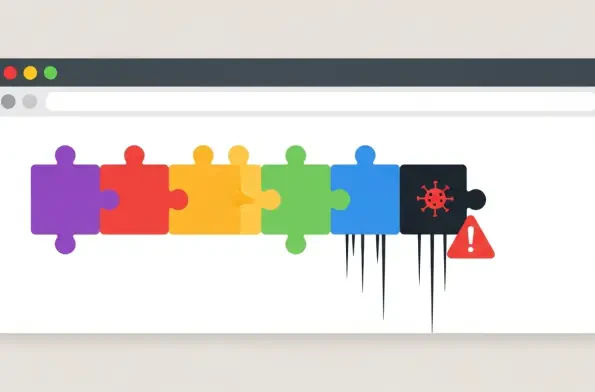
The AiFrame campaign was a large-scale, coordinated cyberattack that distributed over 30 malicious browser extensions through the Google Chrome Web Store. These extensions were designed to impersonate popular AI assistants, such as Claude, ChatGPT, Grok, and Google Gemini, to attract a wide user base. Cybersecurity researchers at LayerX uncovered the operation, revealing that it successfully compromised the data of more than 260,000 individuals who installed the deceptive tools.
This campaign stands out due to its scale and persistence. The attackers created what are described as “general-purpose access brokers,” meaning the extensions were not built for a single malicious act but to establish a persistent foothold in a user’s browser. From there, they could harvest sensitive information, monitor online behavior, and potentially execute further commands from a remote server, all while appearing to be legitimate productivity enhancers.
How Did These Malicious Extensions Deceive Users
The primary method of deception was impersonation. The attackers created extensions with names and icons that closely mimicked trusted AI services, making them appear authentic to unsuspecting users browsing the Chrome Web Store. This strategy was alarmingly effective, partly because several of these fraudulent extensions were even featured by the store itself, lending them a false veneer of credibility and safety. One fake Claude AI extension, for example, was downloaded over 50,000 times before being identified.
Furthermore, the extensions maintained their cover by providing some of the expected AI functionality, which prevented users from becoming immediately suspicious. By offering a seemingly useful service, the attackers could keep the extension installed on a victim’s machine for an extended period. This prolonged access allowed them to quietly exfiltrate data in the background without raising any red flags, turning a tool of convenience into a persistent security breach.
What Techniques Made This Attack so Effective
The AiFrame campaign’s success hinged on several sophisticated evasion techniques. A core strategy was “extension spraying,” where attackers published numerous extensions with a shared underlying codebase and infrastructure. This approach ensured the campaign’s survival; if one extension was discovered and removed by Google, many others remained active and continued to infect new users and exfiltrate data. This redundancy made the overall operation incredibly resilient to takedown efforts.
Moreover, the extensions were engineered to bypass the Chrome Web Store’s security checks. Instead of embedding obviously malicious code, they used a full-screen iframe to overlay a deceptive interface onto the user’s current webpage. This iframe connected to remote servers controlled by the attackers, allowing them to steal login credentials, read emails, and monitor activity without the malicious logic being present in the extension’s initial code. This clever design effectively hid the true nature of the extension from automated security scanners.
Summary or Recap
The AiFrame campaign represents a significant escalation in browser-based threats, demonstrating how attackers can leverage the popularity of AI to distribute malware on a massive scale. By impersonating trusted brands and using sophisticated evasion tactics like extension spraying and malicious iframes, the campaign successfully bypassed security measures and deceived hundreds of thousands of users.
The primary function of these extensions is to act as access brokers, establishing a durable connection to a user’s browser for ongoing data theft and surveillance. Although many of the identified extensions have been removed from the Chrome Web Store, the risk persists for anyone who previously installed them, as the malicious code may remain active. This incident underscores the critical need for user vigilance when installing any browser extension, even those that appear to be from reputable sources.
Conclusion and Final Thoughts
The exposure of the AiFrame campaign left a crucial lesson about the evolving landscape of digital security, where even official application stores can become distribution channels for sophisticated malware. The attackers successfully exploited the trust users place in both AI technology and the platforms that host these tools. This event demonstrated that the risk does not end with an extension’s removal from a web store; compromised users remained vulnerable until they actively uninstalled the malicious software from their browsers. Moving forward, this incident highlighted the necessity for more robust vetting processes on application platforms and a more cautious approach from users when granting permissions to browser extensions.