A critical security flaw has been identified within the widely-used Motors WordPress theme, creating a direct path for a complete site takeover on more than 20,000 active automotive websites, fundamentally undermining their digital security. This significant vulnerability, officially cataloged as CVE-2025-64374 and present in all versions up to and including 5.6.81, transforms a standard user account into a powerful tool for malicious actors. The danger lies not in a complex, multi-stage attack but in a subtle yet profound oversight within the theme’s code that allows any authenticated user, regardless of their permission level, to exert administrative control. This means an account with the most restricted access, such as a “Subscriber,” could potentially upload and activate a malicious plugin, execute arbitrary code, and seize full control of the website’s backend, content, and user data. The discovery of this issue serves as a stark reminder that even popular and trusted tools can harbor significant risks if not diligently maintained and scrutinized for security best practices.
The Anatomy of a Low-Privilege Escalation
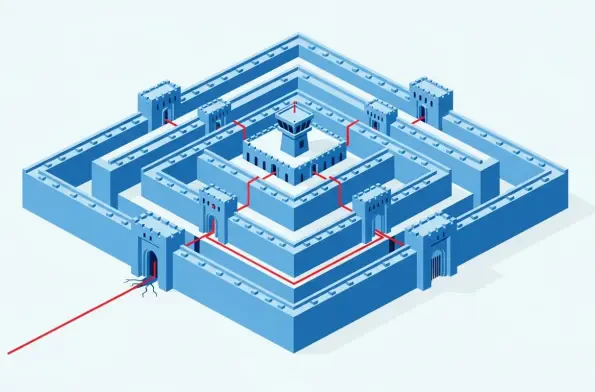
The mechanism behind this high-severity exploit centers on an arbitrary file upload vulnerability tied to a specific backend AJAX function responsible for handling plugin installation. Critically, this function was developed without a sufficient permission check, creating a gaping hole in the site’s defenses against internal threats. While the developers implemented a nonce to validate incoming requests—a standard practice to prevent Cross-Site Request Forgery (CSRF) attacks where a user is tricked into performing an unwanted action—this security measure was fundamentally misapplied as an authorization control. The nonce is generated and made accessible to all logged-in users, meaning a low-privileged user could easily obtain it from the page source and include it in their own malicious request. This effectively bypasses the intended check, as the system only confirms the request originated from the site itself, not that the user possesses the authority to perform the action. Consequently, an attacker with a simple Subscriber account could craft a request to this AJAX endpoint, instructing it to upload and activate a plugin containing malicious code.
Misunderstood Security and the Path to Resolution
This incident brought a common yet dangerous misunderstanding in WordPress development to the forefront: the distinct and separate roles of nonces and permission checks. Nonces are specifically designed to verify that a request was intentionally initiated by an authenticated user from within the website, thus thwarting CSRF attacks. However, they were never intended to function as a gatekeeper for user capabilities or to enforce access control. The correct and secure method for restricting access to privileged actions, such as plugin installation, involves explicit authorization checks using functions like current_user_can(). This function specifically queries the WordPress roles and capabilities system to verify if the current user possesses the required permissions for a given action. Recognizing this critical distinction, the theme’s developer, StylemixThemes, promptly addressed the vulnerability. The release of Motors theme version 5.6.82 incorporated the necessary current_user_can() check into the vulnerable AJAX function, which effectively closed the loophole and secured the plugin installation process. All administrators of websites using the Motors theme were strongly advised to implement the update to version 5.6.82 or a later release, a step that was essential to secure their platforms.