The rapid convergence of high-speed digital networks and heavy industrial machinery has created a landscape where a single lines of malicious code can now trigger catastrophic physical consequences. While a typical data breach in a corporate office might result in leaked emails or financial loss, a compromise in the operational technology (OT) sector can lead to the uncontrolled release of hazardous materials, widespread power grid failures, or the total malfunction of life-sustaining medical equipment. This shift from data protection to physical safety marks a turning point in how we define security in an increasingly connected world.
Modern industrial environments are no longer the isolated silos they once were. The emergence of the Industrial Internet of Things (IIOT) and real-time remote monitoring has stripped away the traditional “air gap” that once protected sensitive control systems. Today, OT cybersecurity is not just an IT add-on; it is a fundamental requirement for the continuity of modern civilization, requiring a specialized approach that respects the delicate balance between digital connectivity and mechanical reliability.
Introduction to OT Cybersecurity and its Core Principles
At its heart, OT cybersecurity is about maintaining the integrity of the physical world. Unlike traditional Information Technology, which prioritizes confidentiality, the primary directive of OT is availability and safety. In a refinery or a power station, the system must remain operational at all costs, as an unexpected shutdown could cause more damage than the cyberattack itself. This environment demands a specialized set of principles that differ significantly from the standard protocols found in a corporate headquarters.
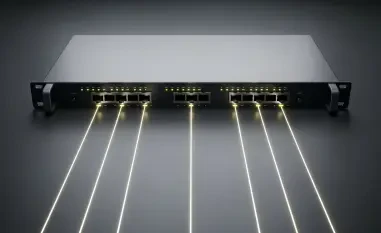
The components of this technology include specialized firewalls designed for industrial protocols, deep packet inspection for machine-to-machine communication, and unidirectional gateways that allow data to flow out for analysis without letting threats flow in. The context of this evolution is the transition from legacy, proprietary hardware to standardized, internet-connected systems. This shift has made industrial assets more efficient but has also exposed them to the same vulnerabilities that plague the open internet.
Technical Framework and Key Components of OT Security
The Distinction: IT and OT Architecture
To understand the current state of OT security, one must recognize that IT and OT operate on entirely different architectural philosophies. In the IT world, the standard practice for dealing with a suspicious process is to isolate or kill it immediately. However, applying this logic to a robotic arm on an assembly line or a cooling pump in a nuclear reactor would be disastrous. OT security frameworks must prioritize “deterministic” behavior, where every action is predictable and timing is measured in milliseconds.
Moreover, the hardware lifecycle in these two domains is vastly different. While a laptop is replaced every few years, an industrial controller might remain in service for decades. This creates a massive technical debt where modern security patches cannot be applied to ancient operating systems. Consequently, OT security relies heavily on “compensating controls”—security layers that wrap around vulnerable machines to protect them without interfering with their critical functions.
Industrial Control Systems: SCADA Protection
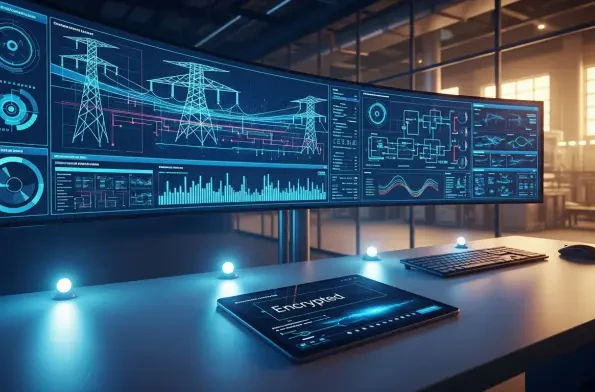
The protection of Supervisory Control and Data Acquisition (SCADA) systems and Programmable Logic Controllers (PLCs) represents the front line of industrial defense. These systems are the brains of the operation, translating digital commands into physical motion. Effective security here involves monitoring the “baselines” of normal operation. If a PLC suddenly attempts to change a valve’s pressure beyond safe parameters, the security layer must identify this as an anomaly, regardless of whether the command came from a legitimate-looking source.
Current technology in this space utilizes passive monitoring tools that “listen” to network traffic rather than “polling” devices. Active scanning, common in IT, can inadvertently crash sensitive industrial equipment. By using passive traffic analysis, security teams gain visibility into the network without risking the operational uptime that defines the industry’s success. This nuance is what separates a specialized OT solution from a generic corporate security tool.
Current Trends and the Impact of Digitalization
The integration of Artificial Intelligence and machine learning into industrial networks is currently the most significant trend shaping the field. As systems become more complex, human operators can no longer manually track every data point across thousands of sensors. AI-driven analytics are now being deployed to predict equipment failure and detect subtle cyber intrusions that mimic normal operational fluctuations. This shift allows for a more proactive defense posture, moving away from reactive patching toward predictive resilience.
Furthermore, the rise of “Edge Computing” is decentralizing how security is managed. Instead of sending all data to a central cloud for analysis—which introduces latency and security risks—processing now happens closer to the machines. This localized intelligence ensures that security decisions are made in real-time, providing a faster response to threats while reducing the bandwidth required for constant connectivity.
Real-World Applications Across Critical Infrastructure
The deployment of robust OT security is most visible in the energy and water sectors. Utility companies are increasingly implementing “zero trust” architectures, where no device or user is trusted by default, even if they are inside the perimeter. In modern water treatment plants, for instance, every digital instruction to adjust chemical levels is verified against physical safety limits and authenticated through multiple layers of encrypted validation.
In the manufacturing sector, the “Smart Factory” model relies on OT security to protect intellectual property and production uptime. Automotive manufacturers use these technologies to ensure that their robotic assembly lines are protected from ransomware that could halt production, costing millions of dollars per hour. These implementations show that OT security is no longer an optional safeguard but a core component of the global supply chain’s reliability.
Challenges and Barriers to Implementation
Despite the clear necessity, several hurdles prevent the universal adoption of advanced OT security. The primary obstacle is the critical shortage of dual-skilled professionals who understand both cybersecurity and industrial engineering. Most security experts are trained in data protection, while most engineers are focused on mechanical output. This gap leads to a lack of communication and a failure to implement security measures that are actually compatible with the factory floor.
Regulatory and economic factors also play a role. Many industrial sectors operate on thin margins and view specialized security training or equipment as a luxury rather than a necessity. Additionally, the sheer scale of legacy infrastructure means that modernizing every site is a multi-year, multi-billion-dollar endeavor. Without standardized global regulations that mandate specific OT security levels, many organizations will continue to opt for the cheaper, less effective IT-centric solutions.
Future Outlook and Strategic Evolution
The trajectory of OT security is moving toward a total fusion of safety and security protocols. In the coming years, we will likely see the development of “cyber-physical” safety systems where the mechanical failsafes of a machine are digitally linked to its cybersecurity posture. This means that a cyberattack would be physically unable to force a machine into a dangerous state because the hardware itself would have hard-coded limits that override any digital command.
We should also expect a shift toward autonomous security orchestration. As threats become faster and more automated, the defense must follow suit. Future OT environments will likely feature self-healing networks that can isolate compromised segments and reroute critical traffic without human intervention. This level of autonomy will be essential for managing the massive influx of devices as the industrial world becomes fully digitized.
Conclusion and Final Assessment
The evolution of industrial OT cybersecurity has demonstrated that the traditional boundaries of the digital and physical worlds have permanently dissolved. Earlier approaches that treated industrial plants as isolated islands were proven insufficient as connectivity became a requirement for economic competitiveness. The transition from simple “air-gapping” to sophisticated, AI-driven passive monitoring highlighted the industry’s need for specialized solutions that prioritize uptime and safety over mere data confidentiality. It became clear that applying standard IT protocols to OT environments was not just ineffective but potentially dangerous, necessitating the unique technical frameworks reviewed here.
Moving forward, the focus must shift from basic protection to systemic resilience. Organizations should prioritize the cross-training of engineering and security teams to eliminate the persistent cultural and technical silos. Investment in edge-based security and “secure-by-design” hardware will be the defining factors in surviving the next generation of cyber threats. Ultimately, the maturity of OT cybersecurity will be measured not by the complexity of its tools, but by its ability to ensure that the essential services of society—water, power, and manufacturing—remain uninterrupted in the face of an increasingly hostile digital environment.