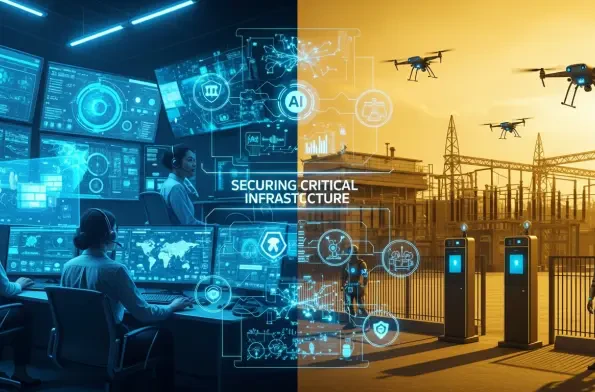
Imagine a bustling city grinding to a halt because a cyberattack has crippled its power grid, leaving millions without electricity, hospitals struggling to function, and businesses losing countless dollars by the hour. This isn’t a far-fetched scenario but a real risk facing critical infrastructure—systems like water supplies, transportation networks, and communication hubs that underpin modern life. Often taken for granted, these foundations become glaringly vital when they fail, with disruptions triggering chaos and exposing vulnerabilities. As threats grow more complex, from physical sabotage to digital breaches, the urgency to protect these assets has skyrocketed. Thankfully, groundbreaking technologies are rising to the occasion, transforming how society safeguards its most essential systems with smarter, proactive solutions.
The stakes of infrastructure failure are nothing short of staggering. A single breach in a water system could endanger entire communities with contaminated supplies, while a transportation hack might strand travelers and disrupt supply chains on a massive scale. Traditional security measures, once adequate, now struggle to keep pace with sophisticated threats that exploit both physical and digital weaknesses. This gap has spurred a wave of innovation, focusing on prevention rather than just reaction. Cutting-edge tools are now being deployed to anticipate risks, detect issues in real time, and respond with precision, ensuring that the backbone of daily life remains resilient against an ever-shifting landscape of dangers.
Moreover, the integration of these technologies reflects a broader realization that protecting critical infrastructure isn’t merely a technical challenge but a societal priority. Governments, industries, and tech innovators are joining forces to build systems that prioritize rapid response and long-term durability. This collective push underscores the need for multi-layered defenses that address diverse risks. By weaving together data-driven insights and automated solutions, a future is emerging where disruptions are not just managed but often prevented. Exploring these advancements reveals a dynamic shift toward a safer world, where the systems everyone depends on stand stronger against the unexpected.
Emerging Technologies in Infrastructure Protection
AI-Powered Predictive Monitoring
Artificial Intelligence (AI) is reshaping the landscape of infrastructure safety by harnessing vast amounts of data to predict and prevent disasters before they strike. In water treatment plants, for instance, AI analyzes sensor readings to detect subtle anomalies like pressure drops that might signal a leak, enabling repairs before a minor issue escalates into a public health crisis. Similarly, in power grids, algorithms can forecast equipment failures by identifying patterns of wear, averting outages that could affect millions. This predictive capability marks a significant departure from older, reactive approaches, allowing operators to stay ahead of potential threats. The financial and human costs of infrastructure failures are immense, and AI’s ability to provide early warnings offers a lifeline, ensuring that small problems don’t spiral into catastrophes with far-reaching consequences.
Beyond prediction, AI is also bolstering physical security in ways previously unimaginable, enhancing how threats are identified and neutralized. Smart surveillance systems, such as long-range thermal cameras equipped with tracking algorithms, are being deployed to monitor critical sites like power stations or transport hubs. These tools can spot intruders in real time, automatically following their movements and alerting security teams for a swift response. This shift toward proactive monitoring means that risks are addressed before they can cause harm, whether it’s preventing vandalism or stopping a coordinated attack. The marriage of AI with physical security tools highlights a broader trend: technology is no longer just about fixing issues after they happen but about building a first line of defense that anticipates and deters threats with remarkable precision.
IoT Sensor Networks
Another game-changer in infrastructure protection is the rise of Internet of Things (IoT) sensor networks, which provide unparalleled real-time awareness for system operators. These networks, embedded across facilities like bridges, pipelines, and rail systems, continuously collect data on performance metrics such as temperature, structural stress, or flow rates. Transmitted to centralized dashboards, this information allows teams to spot irregularities—like a sudden pressure drop in a gas line—almost instantly, minimizing the window for damage. The beauty of IoT lies in its ability to keep a constant pulse on sprawling, complex systems where manual oversight would be impractical. This always-on monitoring is proving essential in reducing downtime and ensuring that critical services remain operational, even under strain from unexpected challenges.
Furthermore, IoT sensor networks go beyond mere observation by enabling automated responses that enhance security and efficiency. When a sensor detects an anomaly, interconnected systems can trigger immediate safeguards, such as initiating data backups during a cyber threat or locking down access to a compromised area. This automation reduces reliance on human intervention, cutting down response times and the risk of error in high-pressure situations. The trend toward intelligent, interconnected networks reflects a deeper understanding that modern infrastructure demands agility. By equipping operators with up-to-the-minute insights and the ability to act without delay, IoT is helping to create a landscape where potential disruptions are caught and countered before they can ripple out into broader crises.
Cybersecurity and Physical Response Innovations
Zero-Trust Security Architecture
In an era where cyberattacks on critical infrastructure are becoming alarmingly frequent, zero-trust security architecture stands out as a vital defense mechanism for digital networks. Unlike traditional models that often assumed internal users were safe, zero-trust operates on a “never trust, always verify” principle, requiring strict authentication for every user and device attempting to access a system. This means constant monitoring and validation, ensuring that even a trusted employee’s credentials are scrutinized if login behavior seems unusual. Such an approach is critical for protecting sensitive control systems in power grids or transportation networks, where a single breach could have devastating consequences. Zero-trust addresses the reality that threats can come from within just as easily as from outside, closing gaps that older “castle-and-moat” frameworks left dangerously exposed.
Additionally, the adaptability of zero-trust architecture sets it apart as a forward-thinking solution in the cybersecurity realm. Access privileges can be dynamically adjusted based on context—like denying remote logins to high-security areas or limiting permissions during unusual activity patterns. This flexibility counters the static nature of past systems, which often granted blanket trust once a user was inside the network, leaving room for insider threats to go unchecked. The growing adoption of zero-trust reflects a broader shift toward defenses that evolve with the threat landscape, especially as infrastructure becomes more digitized and interconnected. By prioritizing continuous verification over assumed safety, this model is helping to fortify digital fronts against sophisticated attacks, ensuring that critical systems remain secure even as hackers refine their tactics.
Drones and Robotics
Turning to physical threats, drones and robotics are revolutionizing emergency response for critical infrastructure, particularly in scenarios too dangerous or remote for human intervention. Equipped with AI, thermal imaging, and advanced navigation tools like LiDAR, drones are already being used for tasks such as firefighting near power plants or inspecting hard-to-reach areas of pipelines. These technologies minimize the risk to first responders by taking on hazardous missions, delivering real-time data to teams on the ground. Whether it’s assessing structural damage after a storm or containing a chemical spill, the ability of drones to operate in perilous conditions is proving invaluable. This innovation underscores a critical need: protecting infrastructure often means protecting the people who maintain it, and robotics offers a way to do both effectively.
Equally important is how drones and robotics align with wider trends in automation, showcasing the potential for machines to handle complex, high-stakes tasks. From autonomous inspections of railway lines to robotic systems that repair underwater cables, these tools are expanding the boundaries of what’s possible in infrastructure maintenance and crisis management. They not only boost safety by keeping humans out of harm’s way but also increase efficiency, covering vast areas or intricate systems faster than manual methods could. This mirrors advancements seen in fields like self-driving vehicles, pointing to a future where automation plays a central role in resilience. By integrating such technologies, infrastructure protection is becoming less about human endurance and more about leveraging machines to tackle risks with speed, precision, and unwavering reliability.
Building a Resilient Tomorrow
Reflecting on the strides made, it’s evident that the journey to secure critical infrastructure had been marked by remarkable technological leaps. AI-driven predictions had pinpointed risks before they materialized, while IoT networks had kept a vigilant eye on sprawling systems, ensuring no anomaly slipped through the cracks. Zero-trust architecture had redefined cybersecurity, locking down digital vulnerabilities with relentless scrutiny, and drones paired with robotics had bravely faced physical dangers, sparing human lives in the process. Together, these innovations had woven a robust safety net, turning reactive patchwork into a cohesive shield that stood firm against a spectrum of threats. Looking ahead, the challenge lies in scaling these solutions globally, ensuring accessibility across diverse regions. Continued investment and collaboration between public and private sectors will be key to adapting these tools to emerging risks, paving the way for a future where the systems society relies on are not just protected but fortified for generations to come.