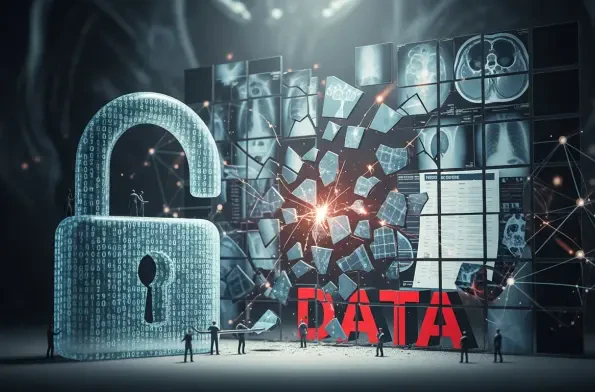
Imagine a small rural clinic, bustling with patients seeking care, unaware that their most sensitive personal health information (PHI) is just a click away from falling into the wrong hands. Cyberattacks on healthcare facilities are no longer a distant threat but a stark reality, with breaches exposing millions of records each year. Many healthcare providers, from tiny practices to sprawling hospital networks, hold onto outdated beliefs about cybersecurity that leave them dangerously exposed. These myths create a false sense of security, masking vulnerabilities that cybercriminals are all too eager to exploit. The stakes are immense—beyond financial loss, a data breach can shatter patient trust and enable devastating identity theft. Diving into these misconceptions reveals just how critical it is to rethink outdated assumptions and build robust defenses to protect the heart of healthcare: patient data.
The healthcare industry stands as a prime target for cyber threats due to the unmatched value of medical records on the black market. Misunderstandings about who is at risk, what true protection entails, and where dangers originate can lead to catastrophic consequences. These myths don’t just threaten data security; they also challenge compliance with critical regulations like the Health Insurance Portability and Accountability Act (HIPAA). More than a legal obligation, safeguarding PHI is a moral duty, as breaches can inflict deep personal harm on patients. Exploring these pervasive myths sheds light on why every healthcare organization must confront these misconceptions head-on and adopt a proactive stance to secure the future of patient care.
Debunking the Scope of Vulnerability
Myth of Size: Small Practices Aren’t Targets
Contrary to popular belief, the notion that only large hospitals draw the attention of cybercriminals is a dangerous fallacy that leaves smaller healthcare practices perilously exposed. Many small clinics and rural facilities assume their limited scale makes them unappealing targets, but the reality paints a different picture. Cyber attackers often see these smaller entities as low-hanging fruit, with weaker defenses and less sophisticated security measures in place. The value of PHI remains sky-high regardless of the source, fetching significant sums on the dark web. Breaching multiple small practices can prove just as lucrative—and often easier—than targeting a single major institution. This underscores a vital truth: no healthcare provider, no matter the size, can afford to skimp on cybersecurity, as the consequences of a breach ripple far beyond their walls to affect vulnerable patients.
Moreover, the impact of an attack on a smaller practice can be disproportionately devastating due to limited resources for recovery. Unlike larger hospitals with dedicated IT teams and budgets for cybersecurity, small clinics often lack the means to swiftly respond to incidents like ransomware or data theft. A single breach could cripple operations, forcing temporary closures or draining funds to pay ransoms and rebuild systems. Cybercriminals bank on this disparity, knowing smaller facilities may struggle to implement advanced protections like network segmentation or regular software updates. The lesson is clear—size offers no immunity, and smaller providers must prioritize building robust defenses just as urgently as their larger counterparts. Ignoring this reality risks not only data loss but also the erosion of community trust in essential healthcare services.
Myth of Underestimation: All Facilities Are at Risk
The underestimation of risk across all healthcare facilities, regardless of their patient volume or reputation, fuels a pervasive vulnerability in the sector. Even mid-sized regional hospitals can fall prey to the assumption that their profile isn’t high enough to attract sophisticated attackers. Yet, the evolving tactics of cybercriminals show no discrimination—any entity housing PHI is a potential goldmine. Attackers deploy automated tools to scan for weaknesses across countless organizations, exploiting even minor gaps with ruthless efficiency. This broad targeting means that every facility, from urban medical centers to suburban outpatient offices, must operate with the mindset that an attack is not a possibility but an inevitability, necessitating constant vigilance and resource allocation to cybersecurity.
Furthermore, the interconnected nature of healthcare systems amplifies the danger for all facilities, as a breach in one can cascade to others through shared networks or vendor relationships. Cybercriminals often use compromised smaller facilities as entry points to infiltrate larger partners, exploiting trust in integrated systems. This ripple effect highlights why every organization must invest in proactive measures, such as encryption and real-time threat monitoring, to shield their data. The myth of safety through obscurity must be dismantled, replaced by a universal commitment to security that acknowledges the shared risk landscape. Only by recognizing that every facility is a potential target can the industry begin to fortify itself against the relentless wave of cyber threats endangering patient information.
Compliance vs. True Security
Myth of Sufficiency: HIPAA Equals Protection
A widespread misconception in healthcare circles is that adhering to HIPAA regulations equates to ironclad cybersecurity, but this belief couldn’t be further from the truth. While HIPAA sets important standards for protecting patient data, it represents merely a foundation, not a comprehensive shield against the dynamic landscape of cyber threats. Regulations often lag behind the rapid evolution of attack methods like phishing or ransomware, leaving compliant organizations vulnerable to sophisticated breaches. True security demands going beyond checkboxes, incorporating advanced tools such as multi-factor authentication (MFA) and regular penetration testing to identify weaknesses. Mistaking compliance for protection creates a false confidence that can cost healthcare providers dearly in both data loss and reputational damage.
Additionally, the gap between compliance and security widens as cybercriminals continuously adapt their strategies to exploit outdated defenses. HIPAA guidelines, while essential, cannot anticipate every emerging threat, meaning organizations must adopt a forward-thinking mindset with ongoing risk assessments and incident response plans. Relying solely on regulatory frameworks ignores the reality that attackers target vulnerabilities, not compliance statuses. Healthcare providers must cultivate a culture of continuous improvement, investing in staff training and cutting-edge technologies to stay ahead of risks. Bridging this divide between meeting legal standards and achieving robust defense is not optional—it’s a critical step to ensure patient data remains safe from ever-evolving dangers.
Myth of Static Defense: Regulations Outpace Threats
Another flawed assumption is that regulatory frameworks like HIPAA can keep pace with the relentless innovation of cyber threats, creating a static defense mindset that leaves healthcare data exposed. In reality, regulations are often reactive, updated only after major breaches expose systemic weaknesses, while attackers deploy new tactics daily. This mismatch means that even the most compliant organizations can fall victim to zero-day exploits or novel phishing schemes not yet addressed by law. A proactive approach—think simulated attack drills and real-time threat intelligence—becomes essential to counter risks that outstrip static rules. Clinging to the idea that regulations alone provide a dynamic defense ignores the agility of cybercriminals and the urgent need for adaptive security measures.
Compounding this issue is the sheer complexity of modern healthcare IT environments, which regulatory frameworks struggle to fully encompass. Cloud storage, telemedicine platforms, and interconnected medical devices introduce vulnerabilities that older standards weren’t designed to address. Cyber attackers exploit these uncharted areas, knowing that compliance-focused defenses often overlook cutting-edge risks. Healthcare organizations must therefore supplement regulations with agile strategies, such as adopting zero-trust architectures to verify every access attempt. Dispelling the myth of static defense pushes the industry toward a reality where security evolves in lockstep with threats, ensuring that patient data isn’t left unprotected by outdated assumptions or slow-moving policies.
Understanding Threat Origins
Myth of External Threats: Only Hackers Are the Enemy
A pervasive myth in healthcare cybersecurity is that threats originate exclusively from external hackers, blinding organizations to the equally dangerous risks lurking within their own walls. While malicious outsiders certainly pose a significant challenge, insider threats—stemming from negligence or even intentional harm—account for a substantial portion of data breaches. Employees may unknowingly click on phishing emails or mishandle sensitive information, opening doors for attackers to slip through. This human element transforms staff into potential weak links, making it clear that focusing solely on external defenses misses half the battle. Addressing internal risks is just as crucial as fortifying against outside attacks to protect patient data effectively.
Beyond accidental errors, deliberate insider actions can wreak havoc, as disgruntled employees or those swayed by financial incentives may leak PHI for profit. Unlike external hackers who must breach multiple layers of defense, insiders already have access, amplifying their potential impact. Mitigating these risks requires strict access controls, limiting data exposure to role-based needs, and fostering a culture of accountability through regular audits. Comprehensive training programs that teach staff to recognize suspicious activity can also turn employees into active defenders rather than unwitting liabilities. Shattering the myth of external-only threats ensures healthcare providers tackle vulnerabilities from all angles, creating a more resilient shield around sensitive information.
Myth of Predictability: Threats Follow Patterns
Equally misleading is the belief that cyber threats in healthcare follow predictable patterns, allowing organizations to focus defenses on familiar external attack vectors while underestimating internal variability. In truth, the nature of risks—whether from outside hackers or inside actors—defies easy categorization, as attackers constantly shift tactics to exploit unique weaknesses. Internal threats, for instance, can range from a well-meaning employee sharing data insecurely to sophisticated insider schemes orchestrated over months. This unpredictability demands a flexible security posture that anticipates diverse scenarios rather than relying on past patterns. Assuming threats fit a mold risks leaving blind spots wide open for exploitation by both external and internal adversaries.
Adding to this complexity, the convergence of internal and external threats often blurs the lines, as external attackers may manipulate insiders through social engineering to gain footholds. A phishing email tricking an employee into revealing credentials exemplifies how these risks intersect, bypassing traditional perimeter defenses. Healthcare organizations must therefore deploy layered security—combining behavioral analytics to detect unusual insider activity with robust external firewalls. Continuous education on evolving threat landscapes can further equip staff to spot anomalies, disrupting potential breaches before they escalate. Dismissing the myth of predictable threats pushes the industry toward a holistic defense that adapts to the chaotic reality of cyber risks in all their forms.
Shared Responsibility in Cybersecurity
Myth of Isolation: IT Alone Handles Security
One of the most entrenched myths in healthcare is that cybersecurity falls solely on the shoulders of the IT department, absolving other staff from responsibility—a belief that undermines the entire security framework. In reality, every employee, from receptionists to surgeons, serves as a frontline defender against cyber threats. A single careless click or unsecured device can unravel even the most sophisticated IT protections, proving that technology alone isn’t enough. Building a security-conscious culture requires ongoing education to empower staff with the knowledge to spot phishing attempts and safeguard PHI. Recognizing that cybersecurity is a collective duty shifts the paradigm from isolated responsibility to a united effort that fortifies the organization at every level.
Equally important is leadership’s role in reinforcing this shared accountability, as tone from the top shapes how seriously employees approach security. When executives prioritize cybersecurity through visible policies and resource allocation, it signals to staff that protecting data isn’t just IT’s job but everyone’s mission. This cultural shift must extend to regular drills and open discussions about emerging risks, ensuring no one feels detached from the effort. Moreover, healthcare providers can’t offload responsibility even when outsourcing to third-party vendors—due diligence in vendor selection and oversight remains critical. Banishing the myth of IT isolation fosters a collaborative environment where every individual acts as a vital link in the chain defending patient trust and safety.
Myth of Delegation: Outsourcing Removes Accountability
Another damaging misconception is that outsourcing IT services or partnering with third-party vendors absolves healthcare organizations of accountability for data protection, a belief that can lead to catastrophic oversights. While vendors often manage critical systems, the legal and ethical responsibility to safeguard PHI never leaves the provider’s hands. Breaches through third parties can still devastate patients and tarnish reputations, as attackers frequently exploit weaker vendor security to access larger networks. Rigorous vetting, contractual clarity on security standards, and continuous monitoring of vendor practices are non-negotiable to ensure data remains secure. Assuming delegation erases responsibility ignores the interconnected risks that define modern healthcare cybersecurity.
Beyond vendor relationships, this myth of delegation can seep into internal dynamics, where departments might assume others bear the security burden, creating gaps in vigilance. Every level of the organization must maintain ownership of data protection, collaborating to enforce policies like encryption and access restrictions. Partnerships with cybersecurity experts can bolster these efforts, offering insights that complement in-house and vendor capabilities. However, reliance on external support must never equate to relinquishing control—healthcare providers remain the ultimate guardians of patient information. Dispelling this myth reinforces that accountability is universal, demanding active engagement across staff, leadership, and external allies to build an unbreakable defense against cyber threats.
Final Reflections on Data Defense
Looking back, the journey through debunking pervasive cybersecurity myths in healthcare revealed a landscape rife with hidden dangers that once went unchallenged. Misconceptions about target size, the sufficiency of compliance, the origin of threats, and the allocation of responsibility had long fostered a false sense of safety among providers. Addressing these fallacies exposed the universal vulnerability of patient data and the urgent need for proactive, collaborative defenses. The stark reality that regulations alone couldn’t keep pace with evolving risks underscored the importance of adaptive strategies. Reflecting on these insights, it became evident that protecting PHI demanded a cultural shift, transforming every stakeholder into an active defender against breaches that threatened both trust and safety.
Moving forward, healthcare organizations must commit to actionable steps that turn lessons into lasting change. Prioritizing staff training to recognize diverse threats, investing in cutting-edge tools beyond regulatory mandates, and enforcing rigorous oversight of third-party partners stand as critical pillars for progress. Collaboration with cybersecurity experts can further illuminate blind spots, while fostering open dialogue about emerging risks ensures no vulnerability is overlooked. The path ahead requires sustained vigilance, recognizing that data defense is an evolving mission, not a static goal. By embedding these principles, the industry can rebuild resilience, ensuring patient information remains a guarded trust rather than a stolen commodity.