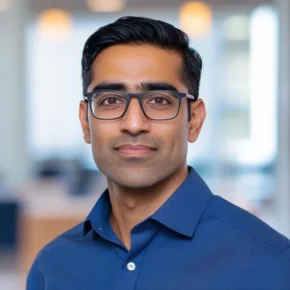
I'm thrilled to sit down with Malik Haidar, a seasoned cybersecurity expert with a wealth of experience in tackling digital threats across multinational corporations. With a sharp focus on analytics, intelligence, and security, Malik has a unique knack for blending business insights with

In a significant lapse in cybersecurity, healthcare industry service providers face an alarming rise in cyber threats, as illustrated by the recent data breach at Episource, a medical billing company impacting over 5.4 million individuals in the United States. Detected on February 6, 2025, the

Cybersecurity is no longer a technology issue but a core business concern in today's high-speed threat environment. The increasing rate of attacks and increasingly obscure methodologies have left organizations with little time to consider protecting their operations and customers. This

Malik Haidar, a well-respected figure in the realm of cybersecurity, has a wealth of experience tackling complex security challenges for multinational corporations. With his extensive knowledge of analytics, intelligence, and security, Malik offers unique insights into the recent data breach at

Recent advancements in cyber warfare highlight a persistent challenge: protecting U.S. defense and critical systems from Iranian cyber threats. This environment of increasing danger is defined by the strategic operations of Iranian state-sponsored actors, targeting vital sectors including the

The cyber threat landscape is undergoing a profound transformation, marked by a growing convergence between traditional cybercrime and state-sponsored espionage. This development challenges long-held distinctions as malicious actors increasingly blur the lines in pursuit of their objectives. Two

In today's rapidly evolving business landscape, reliance on Software as a Service (SaaS) platforms is greater than ever. These platforms have revolutionized operational efficiency by simplifying processes such as collaboration, deployment, and infrastructure management. However, as their