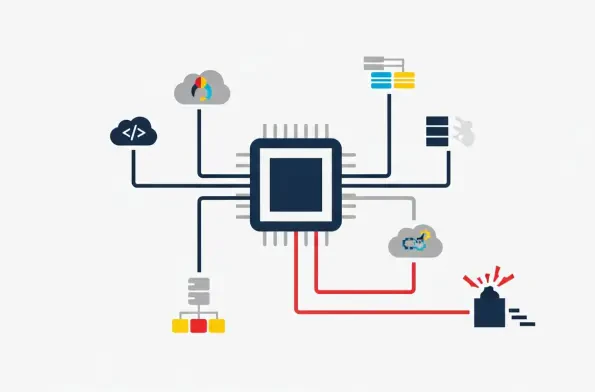
When a sophisticated threat actor successfully bypassed the perimeter defenses of a major financial institution last month, the subsequent forensic investigation revealed a startling truth about the inherent fragility of legacy security architectures. Despite the deployment of a state-of-the-art

Malik Haidar is a veteran cybersecurity expert who has spent years defending multinational corporations from sophisticated digital threats. His work focuses on the intersection of technical intelligence and business strategy, making him a critical voice as we integrate AI into our daily workflows.

The persistent volatility of the cybercrime landscape has culminated in a startling trend toward centralization as major syndicates absorb the remnants of fractured criminal groups. Security analysts observe that the previous era of fragmentation, characterized by numerous small-scale actors, has

The digital security landscape shifted violently this week when a massive repository of unpatched zero-day exploits, dubbed the Exploitarium, appeared on the public web without any prior warning to the affected software vendors. This collection, meticulously assembled by an independent security

The recent and rapid reinstatement of sophisticated large language models after strict federal intervention marks a pivotal moment where raw computational power must finally yield to national security imperatives. Following a nineteen-day suspension driven by United States export controls,

Malik Haidar has spent his career at the high-stakes intersection of global intelligence and corporate security, navigating the complex landscapes where multinational interests meet emerging digital threats. His expertise isn’t just in the technical weeds of code; he specializes in the strategic i
The rapid proliferation of autonomous AI agents across modern software development lifecycles has created a profound paradox where the very tools designed to accelerate innovation now represent the most significant internal threat vectors for corporate infrastructure. As these agents gain the