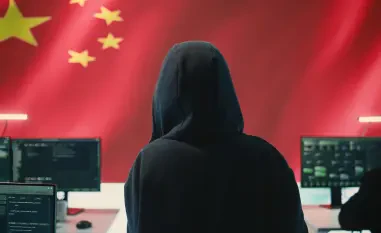
The digital shadows of the modern global economy recently converged in a federal courtroom as a 29-year-old Ukrainian man received a five-year prison sentence for his role in a massive identity theft ring. Oleksandr “Alexander” Didenko stood at the center of a sophisticated operation that transformed the dream of remote work into a primary funding mechanism for a hostile foreign regime. By blending traditional cybercrime with international espionage, Didenko helped funnel millions of dollars toward North Korea’s illicit weapons and munitions programs.
The Digital Frontline: Global Sanctions Evasion
This sentencing serves as a stark reminder that the battle for global security is increasingly fought through keyboard strokes and fraudulent applications rather than traditional battlefields. Didenko’s five-year term, followed by supervised release, marks a significant victory for federal authorities attempting to close the financial valves that keep sanctioned nations operational. What began as a localized identity theft ring evolved into a critical cog in North Korea’s state-sponsored revenue engine.
The transition from simple financial fraud to a sophisticated geopolitical threat underscores the changing nature of international conflict. Experts note that as traditional sanctions tighten, the reliance on these hidden IT networks grows, making individuals like Didenko indispensable to foreign intelligence services. By facilitating this bridge, a single individual managed to compromise the economic integrity of the United States while directly contributing to the expansion of nuclear and ballistic capabilities abroad.
Why the Remote Work Revolution: A Double-Edged Sword
The rapid shift toward distributed labor has inadvertently created a fertile ground for IT worker fraud, which has now emerged as a primary revenue stream for North Korea. This evolution highlights a dangerous intersection between domestic identity theft and international security risks. While remote work offers flexibility for legitimate employees, it also provides a cloak of invisibility for foreign agents who would otherwise be unable to clear the hurdles of traditional physical office environments.
Approximately 40 American companies unknowingly opened their internal networks to these foreign operatives, believing they were hiring qualified local talent. This vulnerability reveals a systemic weakness in modern onboarding processes, where the lack of face-to-face interaction allows fraudulent actors to thrive. The infiltration of these businesses did more than just drain payroll; it placed sensitive corporate data at the mercy of agents working for a regime notoriously hostile to Western interests.
Inside the Mechanics: The Upworksell[.]com Operation
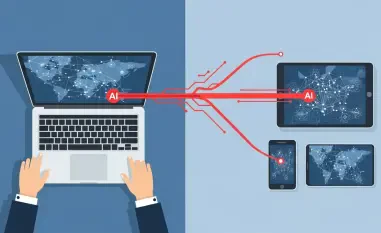
At the heart of this conspiracy was the platform Upworksell[.]com, a marketplace dedicated to the sale and rental of stolen U.S. credentials to overseas operatives. Didenko managed this exchange, providing North Korean workers with the digital “masks” needed to bypass rigorous vetting processes. To ensure the deception was complete, the network utilized domestic “laptop farms” in Virginia, Tennessee, and California. These facilities hosted hardware locally, allowing remote workers in locations like China to appear as if they were logging in from an American suburb.
Bypassing geographic security filters was only the first step; the financial maneuvering was equally complex. The group utilized Money Service Transmitters to move salaries through a web of accounts, successfully evading traditional U.S. banking regulations. This meticulous layer of obfuscation was designed to keep the funds moving toward Pyongyang without triggering red flags. However, the seizure of over $1.4 million in currency and cryptocurrency dealt a heavy blow to the network’s technical and financial infrastructure.
A Collaborative Web: Fraud and National Security Risks
This operation was not a solo endeavor but a collaborative effort involving various domestic enablers who facilitated the infrastructure of fraud. One notable co-conspirator, Christina Marie Chapman, recently received a 102-month sentence for her critical role in managing the laptop farms that anchored the remote connections. The partnership between foreign masterminds and domestic facilitators creates a dual threat that simultaneously compromises corporate security and fuels foreign military expansion.
Law enforcement findings suggest that North Korean tactics are in a state of constant evolution. Authorities have observed a shift in how these agents approach the American job market, moving from blunt-force identity theft to more nuanced forms of social engineering. The persistent nature of these attempts indicates that as one network is dismantled, others are likely being constructed to take its place, requiring a continuous and adaptive response from federal agencies and private investigators alike.
Strengthening Defenses: Sophisticated Identity Infiltration
One of the most concerning shifts in recent months is the move toward hijacking legitimate LinkedIn profiles to enhance the perceived authenticity of job applications. By using real professional histories, these operatives make it increasingly difficult for HR departments to distinguish between a genuine candidate and a fraudulent entity. Recognizing these red flags—such as discrepancies in video interview quality or a refusal to use company-issued hardware—is now a mandatory skill for modern recruiters and security officers.
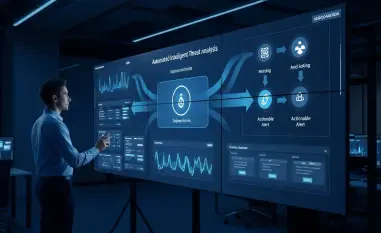
IT departments must also implement technical strategies to detect remote access bypasses and unauthorized hardware hosting within their networks. Public-private partnerships are becoming the most effective tool in dismantling these global labor networks, as sharing threat intelligence allows companies to bolster their defenses before an infiltration occurs. The focus shifted toward proactive verification and the implementation of zero-trust architecture to ensure that every remote connection was thoroughly authenticated.