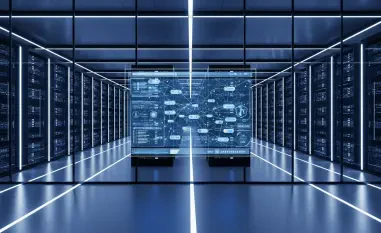
The modern digital landscape has reached a tipping point where the speed of automated cyber attacks effectively renders traditional, human-led defense mechanisms obsolete. Organizations no longer face solitary hackers but rather highly sophisticated, AI-generated threats that probe for vulnerabilities with a persistence and velocity that no manual team could ever hope to match. This escalating arms race has forced a critical shift within the Security Operations Center (SOC), moving the needle away from reactive alert monitoring toward a model of proactive, automated intelligence. The transition to “Intelligent Operations” is now the primary benchmark for organizational resilience, as businesses seek to close the widening gap between attack speed and defense capabilities.
The Evolution of the SOC: From Manual Triage to AI Synthesis
Market Dynamics and Adoption Statistics
Traditional security methodologies are failing in high-velocity threat environments where thousands of alerts can flood a dashboard in minutes. This deluge has led to unprecedented levels of SOC burnout, with resource constraints acting as a primary catalyst for the widespread adoption of automation. Current market trends indicate a sharp increase in the integration of Cloud SIEM platforms with specialized AI agents designed to handle the heavy lifting of initial detection. This shift is not merely about convenience but about survival, as the sheer volume of data produced by modern infrastructures requires a level of processing power that far exceeds human capacity.
Real-World Applications and Implementation
Implementing these technologies allows organizations to distill complex, fragmented data into actionable intelligence with minimal human intervention. For instance, platforms like Sumo Logic on AWS are being deployed to provide end-to-end infrastructure monitoring, effectively turning noise into clarity. By dissolving the traditional silos between IT, development, and security teams, these tools ensure that every department operates from a single source of truth. Case studies from the current year demonstrate that this unified approach not only strengthens security but also improves overall system performance by identifying bottlenecks before they lead to outages.
Expert Perspectives on Automated Defense
Industry leaders argue that AI-driven insights have moved from being a luxury to a fundamental necessity for any enterprise operating in the cloud. There is a growing expert consensus that full-stack visibility is the only way to maintain a robust defensive posture while keeping up with rapid development cycles. Professionals in the field emphasize that the strategic role of AI is not to replace human analysts but to act as a force multiplier. By automating repetitive tasks, analysts are freed to focus on high-level strategic threats and complex forensic investigations that require human intuition.
The Future of AI in Security Operations
Looking ahead, the evolution of autonomous response systems suggests a future where infrastructures are essentially self-healing. These systems will likely anticipate attacks by identifying subtle patterns across disparate networks, allowing for a proactive defensive posture that adapts in real time. While the sophistication of AI-generated attacks continues to grow, the long-term benefits of unified intelligence include significantly enhanced cross-departmental agility and financial stability. Reducing the time spent on incident response directly translates to lower operational costs and a smaller blast radius for potential breaches.
In conclusion, the shift toward intelligent, integrated security frameworks became the defining characteristic of successful digital enterprises. Organizations that prioritized a 75% reduction in MTTR and a 50% increase in analysis speed established a new standard for operational efficiency. Moving forward, the focus must remain on refining these automated systems to ensure they remain resilient against increasingly creative adversarial tactics. Achieving this level of sophistication required a departure from fragmented tools in favor of a cohesive, AI-augmented strategy that safeguarded the digital frontier.