Analytics Intelligence

The persistent narrative of artificial intelligence eventually making human security analysts obsolete has been fundamentally challenged by the practical necessity of human intuition and contextual understanding in complex threat environments. While the allure of a fully "autonomous
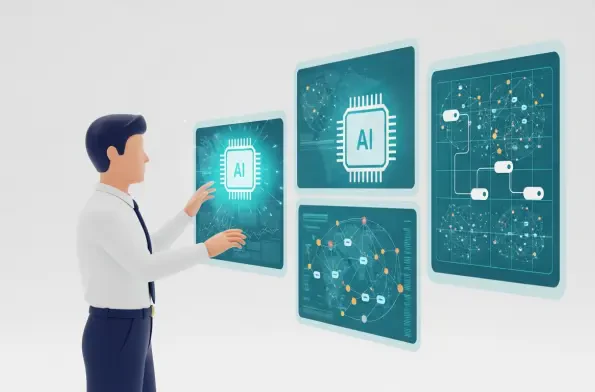
The rapid transformation of Large Language Models from static text prediction engines into autonomous agentic systems has effectively dismantled the traditional security perimeter, introducing a sophisticated spectrum of vulnerabilities that exploit the inherent trust between human users and their

The long-standing partnership between global software giants and the independent security researchers who find their flaws has reached a volatile breaking point that endangers the safety of every digital user. This delicate truce is currently facing its most severe test as the "social

Malik Haidar stands at the front lines of digital warfare, bringing a unique perspective that blends high-level threat analytics with the pragmatism of corporate business strategy. Having spent years shielding multinational infrastructures from sophisticated state-sponsored actors and profit-driven

The velocity of modern code deployment has rendered traditional manual security audits nearly obsolete as automated pipelines push updates multiple times an hour. Developers now face a reality where the volume of code produced by generative assistants far exceeds the capacity of human security

In the rapidly shifting landscape of global cybersecurity, few voices carry as much weight as Malik Haidar. With a career forged in the trenches of multinational corporations, Haidar has built a reputation for blending deep technical intelligence with a pragmatic business perspective. As the

Read More