Diving into the ever-evolving world of cybersecurity, we’re thrilled to sit down with Malik Haidar, a seasoned expert with a wealth of experience in combating digital threats across multinational corporations. With a sharp focus on analytics, intelligence, and security, Malik has mastered the art of blending business needs with cutting-edge cybersecurity strategies. Today, we’ll explore how his innovative approaches are transforming vulnerability management, offering businesses a smarter, faster way to stay ahead of risks in an increasingly noisy digital landscape. Our conversation touches on tailored threat alerts, non-intrusive technology, affordability in cybersecurity, and the power of timely intelligence in protecting global enterprises.
How did you develop the idea of matching vulnerability alerts directly to a business’s software, and what kind of impact have you seen this have on clients’ cybersecurity strategies?
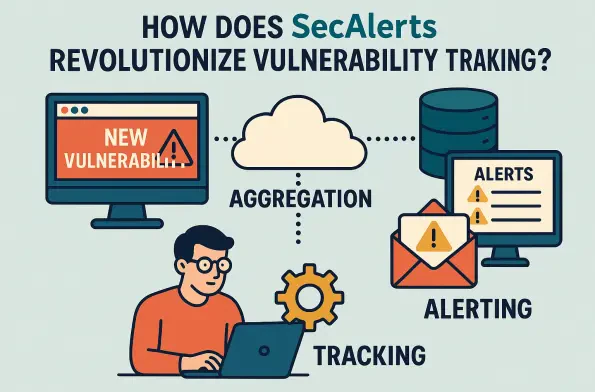
I’ve always believed that the biggest challenge in vulnerability management isn’t the lack of information—it’s the overwhelming volume of it. Early in my career, I saw security teams drowning in alerts, many of which were irrelevant to their specific environments. That’s when I realized we needed a targeted approach, focusing only on the software a business actually uses. With SecAlerts, we built a system to do just that, and the impact has been striking. I recall a mid-sized tech firm we worked with that was struggling to prioritize alerts amidst thousands of notifications. After implementing our tailored matching, they reduced their actionable alerts by over 60%, allowing them to focus on critical vulnerabilities. Their team lead told me it felt like lifting a fog—they could finally see the real threats. This shift didn’t just save time; it fundamentally changed how they allocated resources, moving from a reactive scramble to a proactive, streamlined defense.
What led to the decision to design SecAlerts as a non-intrusive, cloud-based solution, and how does this approach ease the burden on overworked security teams?
The inspiration came from witnessing how traditional vulnerability scanners often added more stress than solutions. I’ve been in war rooms where invasive scans bogged down networks or triggered false positives at the worst possible times. We wanted SecAlerts to be a silent partner—working remotely in the cloud without poking around a client’s system. This means no installation, no network scans, just a seamless process where businesses list their software, and we handle the rest. For overworked teams, this is a game-changer. Picture a security analyst starting their day: instead of scheduling intrusive scans or troubleshooting compatibility issues, they log into our platform, see a clean list of relevant alerts, and act immediately. One client, a financial services company, couldn’t believe the relief—they described it as going from a clunky old typewriter to a sleek laptop. Their feedback highlighted how this setup let them focus on strategy rather than logistics, shaving hours off their weekly workload.
Can you explain how Stacks, Channels, and Alerts work together to streamline vulnerability notifications, and perhaps share a scenario where custom filters made a significant difference?
Absolutely, these three components are the backbone of personalizing vulnerability management. Stacks let businesses upload or auto-generate their software inventory, whether it’s a manual list or a full Software Bill of Materials. Channels define who gets the info and how—be it via Slack, email, or Jira—while Alerts tie it all together with customizable frequency and filters like severity or exploitation status. Together, they ensure the right people see the right data at the right time. Take a retail client we worked with: they set up a Stack for their e-commerce platform, routed critical alerts to their DevOps team via Slack, and filtered for CVSS scores of 8-10. Before this, they were sifting through hundreds of irrelevant notifications weekly. After applying these filters, their actionable alerts dropped to a manageable dozen, saving their team an estimated 10 hours a week. They told me it felt like having a personal assistant who knew exactly what they needed—no more, no less.
With nearly 10% of vulnerabilities exploited in 2024, how does your platform ensure businesses receive timely alerts to address urgent threats, and can you recall a moment where speed was pivotal?
The statistic that 10% of vulnerabilities were exploited this year is a stark reminder of why speed is non-negotiable. SecAlerts pulls vulnerability data as soon as it’s released, bypassing delays often seen in traditional databases like NVD, and pushes alerts based on user-defined schedules—hourly if needed. We’re obsessed with immediacy because I’ve seen firsthand how a few hours can mean the difference between containment and catastrophe. I remember a healthcare client who received an alert about a critical vulnerability in their patient management software just 90 minutes after it was published. They patched it within the day, avoiding a potential breach that could’ve exposed sensitive data. Their IT director later shared that the speed gave them a rare sense of control in a field where they’re often playing catch-up. That incident underscored how real-time intelligence isn’t just a feature—it’s a lifeline.
How do features like Insights for real-time risk analytics and Properties for multi-client management help businesses stay proactive, and can you share a specific case where these tools identified an emerging threat?
Insights and Properties are all about shifting from firefighting to forecasting. Insights provides real-time analytics—think trends, risk patterns, and emerging threats specific to a company’s software—while Properties lets MSSPs or large organizations manage multiple departments or clients with separate, tailored setups. Together, they empower businesses to anticipate issues rather than just react. I’ll never forget working with a logistics firm using Insights: the tool flagged a rising trend of exploits targeting a specific version of their routing software before it hit mainstream alerts. We saw the risk pattern spike in our bar graph analytics, color-coded for severity, and they acted fast—updating the software and tightening access controls. Their security head said it felt like having a crystal ball; they dodged a bullet that could’ve disrupted their supply chain. Being proactive like that doesn’t just mitigate risks—it builds confidence across the organization.
What drove the decision to offer SecAlerts at an affordable price with a free 30-day trial, and how has this impacted smaller businesses or startups?
I’ve seen too many smaller businesses get priced out of robust cybersecurity, left vulnerable because traditional tools come with hefty price tags and bloated feature sets. We designed SecAlerts to be lean and cost-effective, with a free 30-day trial to lower the barrier to entry. The goal was to democratize access to top-tier vulnerability management. I recall a startup in the ed-tech space that signed up for the trial, skeptical they could afford ongoing protection. Within two weeks, they identified and patched critical vulnerabilities in their learning platform—issues they hadn’t even known existed. They opted for a yearly plan with our discount code, and their founder told me it was the first time they felt secure without breaking the bank. That affordability transformed their mindset from seeing cybersecurity as a luxury to treating it as a core priority.
Given SecAlerts serves clients across five continents, how do you adapt the platform to diverse industry needs or regional challenges, and what’s an example of a unique problem you solved?
Serving a global client base across five continents means understanding that a one-size-fits-all approach just doesn’t cut it. We’ve built flexibility into SecAlerts—custom filters, delivery methods, and scalable features—to meet varied industry and regional demands. Whether it’s compliance differences in Europe or unique threat landscapes in Asia, we tailor the platform through close client collaboration. A standout case was with a manufacturing client in South America, where local infrastructure issues often delayed traditional security updates. We customized their Alerts to prioritize exploited vulnerabilities and delivered them via Webhook to integrate with their limited-bandwidth systems. They faced a regional spike in ransomware targeting industrial software, and our setup helped them patch critical flaws faster than their peers. Their feedback was humbling—they said it felt like we’d built the tool just for them, bridging a gap they’d struggled with for years.
How does integrating SecAlerts with tools like Slack, Teams, and Jira via Channels improve team workflows, and can you share a situation where this made a measurable difference?
Integration is key to fitting into a team’s existing rhythm rather than forcing them to adapt to us. Channels in SecAlerts let businesses choose how alerts are delivered—whether it’s Slack for quick chats, Teams for collaboration, or Jira for ticketing—so notifications land right where the action happens. This cuts down on context-switching, which I’ve seen sap productivity in security teams. A software development company we worked with set up Slack integration for their engineering team, routing critical alerts directly into their sprint channels. Before this, they’d lose hours checking emails or separate dashboards. Post-integration, their response time to high-severity issues dropped by nearly 40%, and they reported fewer miscommunications during incident response. Their project manager described it as turning a scattered puzzle into a clear picture—everyone knew what to do the moment an alert popped up.
Looking ahead, what is your forecast for the future of vulnerability management, and how do you see tools like SecAlerts shaping that landscape?
I believe vulnerability management is heading toward even greater automation and personalization. As software ecosystems grow more complex and threats evolve faster—evidenced by that 10% exploitation rate in 2024—we’ll need tools that not only detect but predict and prioritize with uncanny precision. I see AI and machine learning playing a bigger role in identifying patterns before they become exploits, and platforms like SecAlerts will be at the forefront, refining how we filter noise and deliver intelligence. My hope is that we’ll create a world where businesses, big or small, feel empowered rather than overwhelmed by cybersecurity. I envision SecAlerts evolving to integrate deeper predictive analytics, helping clients stay two steps ahead of attackers. What excites me most is the potential to make security not just a shield, but a strategic advantage.