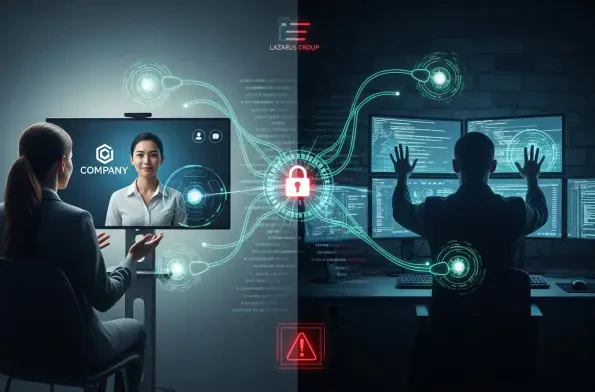
Imagine a seemingly harmless job offer landing in an inbox, promising a lucrative remote IT position with a reputable company, only to unravel as a sophisticated trap designed to steal identities and infiltrate secure systems. This isn’t a far-fetched plot from a thriller novel but a stark reality orchestrated by North Korea’s notorious Lazarus Group, specifically its Famous Chollima division. Recent investigations have exposed a chilling scheme where cyber operatives pose as recruiters to exploit the growing trend of remote hiring. By targeting unsuspecting individuals and Western companies across industries like finance, cryptocurrency, healthcare, and engineering, these attackers aim to gain unauthorized access to sensitive data and financial resources. What makes this approach so insidious is its reliance on human trust rather than traditional malware, turning a modern workplace convenience into a gateway for cybercrime. This article delves into the intricate tactics employed by these operatives and the urgent need for heightened vigilance in a digital-first world.
Unveiling the Deceptive Recruitment Tactics
The sophistication of Lazarus Group’s strategy begins with an elaborate deception that preys on job seekers’ aspirations. Recruiters using aliases such as “Aaron” or “Blaze” reach out with enticing remote job offers, often tailored to appear legitimate and appealing. These operatives go to great lengths, stealing or borrowing identities to pass interviews with the help of AI tools and pre-shared responses. Once hired, they operate through the victim’s laptop, funneling salaries back to North Korea while maintaining a facade of normalcy. The real danger emerges when these recruiters demand extensive personal information—Social Security Numbers, IDs, LinkedIn credentials, Gmail access, and even 24/7 control over the employee’s device. This isn’t just a breach of privacy; it’s a calculated move to seize complete control over identities and workstations. By bypassing conventional cyberattack methods, the group turns a routine hiring process into a silent weapon, exploiting trust at its core and leaving victims unaware of the intrusion until it’s far too late.
What sets this scheme apart is its focus on identity theft over technological exploits, marking a shift in cybercrime tactics. Unlike traditional hacking attempts that rely on phishing emails or malicious software, this method hinges on social engineering to manipulate individuals into handing over critical access voluntarily. Once inside a company, these operatives can navigate internal systems, access sensitive data, and even compromise manager-level accounts, amplifying the damage far beyond a single employee. The trust inherent in remote work becomes a vulnerability as companies, eager to adapt to flexible hiring models, often overlook the potential for such insidious infiltration. Industries handling high-stakes information are particularly at risk, as a single breach can lead to cascading consequences. This highlights a growing challenge: the need to balance the benefits of remote work with robust safeguards against threats that exploit human rather than technical weaknesses, urging a reevaluation of hiring protocols in the digital age.
Innovative Monitoring Reveals Hidden Operations
To uncover the depth of Lazarus Group’s methods, researchers employed a groundbreaking approach by observing the attackers in a controlled, virtual environment. Instead of risking real systems, the team utilized interactive sandboxes—virtual machines mimicking personal workstations complete with usage history, developer tools, and U.S.-based proxy routing. This setup allowed for real-time monitoring without alerting the operatives, capturing every move as they attempted to take over identities and devices. By simulating crashes or connectivity issues, the investigators could manipulate conditions and observe reactions, gaining unparalleled insight into the group’s streamlined toolkit. Tools like AI-driven job automation platforms, browser-based one-time password generators to bypass two-factor authentication, and remote desktop configurations for persistent control were all documented. Connections routed through known infrastructure further tied these actions to the notorious cyber group, painting a vivid picture of their covert operations.
Beyond the tools, the live observation shed light on the operatives’ audacious directness, as they left Notepad messages on virtual machines requesting personal and financial details. This boldness underscores their confidence in operating under the radar, relying on minimal technical footprints to avoid detection. The absence of traditional malware in favor of identity takeover tactics poses a unique challenge for cybersecurity defenses, which are often geared toward detecting code-based threats rather than human-centric exploits. Moreover, the use of routine system checks and VPNs to mask their locations reveals a level of persistence that can easily go unnoticed in a busy corporate environment. These findings emphasize that traditional security measures alone aren’t enough; companies must invest in specialized monitoring and employee education to spot suspicious interactions before they escalate. As remote work continues to dominate, understanding these subtle yet devastating tactics becomes crucial for preventing breaches that start with a seemingly innocent job offer.
Addressing the Risks of Remote Work Vulnerabilities
The rise of remote hiring has undeniably transformed the workplace, offering flexibility and access to global talent, but it has also opened a Pandora’s box of security risks that Lazarus Group exploits with alarming precision. The trust and autonomy that define remote work are precisely what these operatives target, turning procedural gaps into entry points for cybercrime. Once embedded within an organization, the potential for damage is staggering—access to internal systems, proprietary data, and even high-level accounts can lead to financial loss and reputational harm on a massive scale. This isn’t just a problem for individual employees who fall victim; it’s a systemic threat to entire industries, particularly those in finance or healthcare where data sensitivity is paramount. The challenge lies in recognizing that flexibility shouldn’t come at the cost of security, prompting a critical need for companies to rethink how they verify identities and monitor remote interactions in an era where digital-first is the norm.
To combat this evolving threat, a proactive stance is essential, starting with fostering awareness among employees about the signs of deceptive recruitment. Training programs should highlight red flags, such as requests for excessive personal information or unusual device access demands, empowering staff to report suspicious activity without fear of repercussions. Additionally, organizations must implement stricter vetting processes for remote hires, incorporating multi-layered identity verification and continuous monitoring of access privileges. Beyond internal measures, collaboration with cybersecurity experts to simulate and study such attacks can provide valuable insights into emerging tactics. The lesson is clear: human trust and procedural oversights are as exploitable as any software vulnerability. As these schemes grow in sophistication, staying ahead requires a blend of technology and vigilance, ensuring that the benefits of remote work aren’t overshadowed by the risks of infiltration by groups with malicious intent.
Building Stronger Defenses Against Evolving Threats
Reflecting on the meticulous investigation into Lazarus Group’s remote hiring schemes, it became evident that their reliance on social engineering and identity theft marked a departure from conventional cyber threats. The live monitoring in virtual environments exposed a calculated operation that thrived on exploiting trust rather than technology, with operatives seamlessly blending into corporate ecosystems. Every step, from deceptive job offers to brazen requests for personal data, was executed with precision to avoid suspicion, leaving little trace of their presence. The use of AI tools and remote access setups further demonstrated their adaptability, challenging the cybersecurity community to rethink detection strategies. This investigation stood as a wake-up call, revealing how deeply human-centric attacks could penetrate even well-guarded systems when trust was weaponized.
Looking ahead, the path to stronger defenses lies in actionable steps that prioritize both awareness and innovation. Companies must integrate comprehensive training to equip employees with the knowledge to identify and resist manipulative tactics, while adopting advanced identity verification to close procedural loopholes. Partnering with cybersecurity firms to conduct regular threat simulations can also prepare organizations for the next wave of sophisticated schemes. Furthermore, establishing clear channels for reporting suspicious activity without stigma ensures early intervention. As cyber threats continue to evolve, blending human and technical exploits, the focus should shift toward building resilient cultures that value skepticism alongside collaboration. Only by anticipating these insidious methods can industries safeguard their data and trust, turning the lessons from past infiltrations into a blueprint for a more secure digital future.