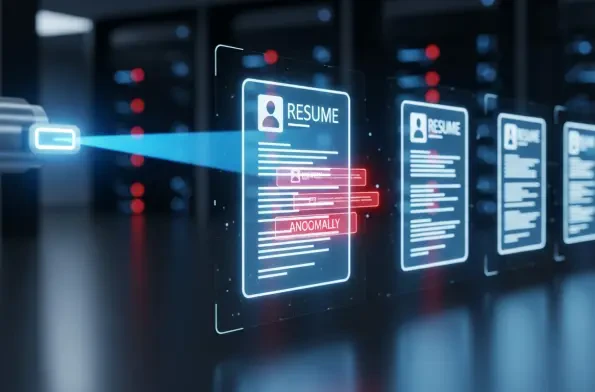
A seemingly perfect candidate with a stellar resume from a prestigious university could be the unwitting gateway for a foreign adversary to siphon funds directly from a company’s payroll into a state-sponsored weapons program. The rise of remote work has opened up a global talent pool, but it has also created new vectors for sophisticated threats. State-sponsored IT workers, particularly from the Democratic People’s Republic of Korea (DPRK), are now infiltrating U.S. companies at an alarming rate, posing a significant and often invisible risk to national security and corporate integrity.
The scale of this campaign is staggering. Recent disclosures from Amazon’s security leadership revealed that the company has blocked over 1,800 suspected North Korean operatives from its workforce since April 2024 alone, with a notable 27% quarter-over-quarter increase in such attempts. This is not a hypothetical scenario but an active, widespread effort. Understanding the motivations behind this threat, recognizing the deceptive tactics employed, and implementing effective defensive strategies are no longer optional—they are essential for survival in the modern digital landscape.
More Than a Paycheck: The High Stakes of a Bad Hire
The primary objective of these state-sponsored operatives extends far beyond simple corporate espionage. Their main goal is to generate revenue, funneling wages earned from U.S. companies directly back to the DPRK to fund its illicit weapons programs. This insidious strategy effectively turns American businesses into unwilling financiers for a hostile regime, creating a direct link between a company’s payroll and international security threats.
This dual-risk scenario presents a complex challenge. Beyond the direct financial exploitation through wages, the persistent threat of intellectual property theft and corporate espionage remains. An operative embedded within a company, particularly in a high-access tech role, can exfiltrate sensitive data, trade secrets, and proprietary code. The potential for reputational damage, financial loss, and severe security breaches underscores the critical imperative for organizations to implement robust vetting protocols, especially in a remote-first hiring environment where traditional safeguards may fall short.
Anatomy of Deception: How Operatives Evade Detection
Confronting this threat requires an understanding that DPRK operatives are not amateur scammers; they are part of a sophisticated, state-backed campaign that continuously evolves its methods. They employ advanced techniques designed specifically to bypass standard corporate screening processes, from background checks to technical interviews. Their tactics are calculated, patient, and increasingly difficult to detect without a dedicated and informed defensive posture.
For human resources, recruiting, and security teams, recognizing the subtle red flags is the first line of defense. These operatives have mastered the art of digital impersonation and technical misdirection, creating convincing personas that can fool even seasoned hiring managers. A deeper look into their methods reveals a playbook of deception that all employers must learn to identify and counter.
The Art of Impersonation: Stolen Identities and Fabricated Credentials
A key tactic in the operative’s arsenal is advanced identity theft. To appear credible, they often hijack the dormant LinkedIn accounts of legitimate software engineers or pay individuals for access to their established professional profiles. This provides them with a ready-made history of experience and connections, allowing them to bypass initial suspicion. They strategically target high-value roles in specialized fields like artificial intelligence and machine learning, which not only offer higher salaries but also provide access to cutting-edge technology.
This impersonation is a dynamic and adaptive strategy. As observed by Amazon, operatives continuously adjust their claimed credentials to evade detection patterns. Initially, many claimed degrees from East Asian universities. When that became a common flag, they shifted to claiming degrees from institutions in U.S. states with no income tax. Most recently, they have pivoted to listing prestigious universities in California and New York on their résumés, all in a calculated effort to appear as legitimate and desirable candidates as possible.
The Digital Shell Game: Masking Location with Technical Trickery
To circumvent geographic restrictions and maintain the illusion of a U.S. presence, these operatives rely on sophisticated technical infrastructure. They utilize “laptop farms” and complex proxy networks that allow them to work from offshore locations while their digital footprint appears to originate from within the United States. This method is specifically designed to defeat the standard IP address checks and other technical monitoring tools that employers use to verify the location of their remote workforce.
This problem is not confined to a few large corporations; it is an industry-wide epidemic. Crackdowns by the U.S. Department of Justice have targeted multinational fraud rings that facilitate the employment of DPRK IT workers, illustrating the organized and global nature of the threat. Furthermore, findings from cybersecurity firm Sophos confirm that these exploits target organizations of all sizes, from small startups seeking contractors to Fortune 500 companies. While awareness is growing, the threat actors continue to refine their use of stolen identities and proxy infrastructures, making the challenge more persistent than ever.
Building Your Defenses: A Proactive Guide for Employers
In the face of such a persistent and well-resourced adversary, a reactive security posture is insufficient. Organizations must adopt a proactive and multi-layered defense strategy that anticipates these deceptive tactics. This requires a fundamental shift in how companies approach remote hiring, transforming it from a routine HR function into a critical component of the corporate security framework.
The fight against this threat cannot be waged in silos. Effective defense demands close collaboration between HR, recruiting, cybersecurity, and legal departments. By working together to fortify hiring protocols, share intelligence, and implement robust verification systems, companies can create a formidable barrier against these state-sponsored campaigns.
Hardening the Gates: Implementing a Robust Vetting System
Companies can significantly strengthen their defenses by modeling their approach on the rigorous systems used by companies like Amazon. This includes implementing multi-stage credential verification, using AI-powered background checks to spot anomalies and inconsistencies in applicant data, and conducting highly structured interviews designed to probe for technical and personal inconsistencies. Identity verification should not be a one-time event at onboarding but a continuous process.
Recruiting and security teams must also become adept at actively searching for red flags that automated systems might miss. This includes cross-referencing a candidate’s claimed degree with the university’s actual course offerings or scrutinizing academic timelines for inconsistencies that misalign with standard schedules. These small discrepancies are often the first sign that a candidate’s profile is fabricated.
Strength in Numbers: The Power of Collaboration and Reporting
While bolstering external defenses is crucial, companies should also look inward. Querying internal application databases for common indicators of fraud—such as recurring résumé templates, shared contact information across different applicants, or suspicious IP address patterns—can help identify coordinated infiltration campaigns.
Ultimately, this is a collective fight that requires industry-wide cooperation. Sharing intelligence and insights with industry peers helps build a stronger, more informed defensive ecosystem. Most importantly, companies have a responsibility to report any suspected DPRK IT workers to the FBI or local law enforcement. Increased transparency and formal reporting are essential tools for disrupting these state-sponsored operations, protecting the broader business community, and closing the door on those who seek to exploit the global talent pool for illicit purposes.