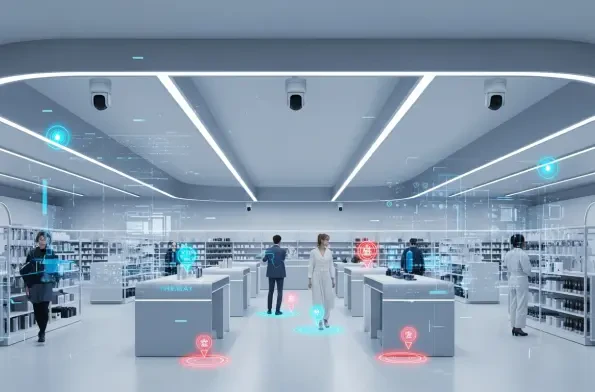
Faced with staggering annual losses exceeding MX$120 billion (US$6.6 billion) due to insecurity, Mexico’s private sector is undergoing a profound security transformation, moving decisively away from outdated, reactive measures. Businesses in the retail and hospitality industries are now at the forefront of a strategic pivot towards a sophisticated, preventive framework powered by artificial intelligence. This evolution is not merely a technological upgrade but a fundamental rethinking of how to protect assets, ensure public safety, and maintain operational continuity. The integration of intelligent systems marks a critical turning point, as companies increasingly recognize that traditional security protocols are no longer sufficient to combat modern threats. This shift is reshaping the commercial landscape, establishing a new benchmark for security and efficiency driven by data-informed, proactive strategies that address vulnerabilities before they can be exploited.
The Technological Shift to Proactive Security
The backbone of this modernization effort is the rapid and widespread integration of advanced surveillance technologies, with over 60% of new video systems in the retail and hospitality sectors now leveraging artificial intelligence. This goes far beyond the passive monitoring of old closed-circuit television systems, which were primarily used for post-incident forensic analysis. The new standard incorporates a suite of interconnected tools, including high-definition network video, sophisticated analytics software, Internet of Things (IoT) sensors, and intelligent audio systems. A key innovation driving this change is the deployment of edge computing, which allows for the real-time processing of data directly on-site where cameras and sensors are located. This capability enables immediate threat detection and automated alerts, allowing security personnel to intervene instantly rather than reviewing footage hours or days later. This proactive posture transforms video surveillance from a passive recording tool into an active, intelligent security solution that can anticipate and mitigate risks as they unfold.
This technological evolution has yielded direct and quantifiable financial benefits, particularly within the highly vulnerable retail sector. The implementation of AI-driven video analytics has been directly credited with a significant 22% reduction in losses attributed to theft and other forms of shrinkage. These intelligent systems are trained to recognize specific behaviors and patterns associated with theft, such as an individual concealing items or loitering suspiciously in a low-traffic area. Upon detecting such an event, the system can automatically alert staff or security, enabling a swift and discreet response. Furthermore, the technology’s utility extends beyond simple theft detection. Advanced analytics can identify operational inefficiencies, optimize store layouts to minimize blind spots, and track inventory movement with greater accuracy. By providing a constant stream of actionable data, these AI platforms empower retailers to not only reduce direct financial losses but also to enhance overall store management and create a safer, more secure shopping environment for customers.
Broader Implications for Business Operations
The benefits of this AI-powered transformation are not confined to loss prevention but extend deeply into enhancing overall operational efficiency and customer experience, especially within the hospitality and tourism industry. For hotels, resorts, and entertainment venues, maintaining high service standards while ensuring public safety is a paramount concern. Intelligent video systems are now instrumental in achieving this balance. For instance, the technology can instantly detect overcrowding in lobbies, restaurants, or event spaces, allowing management to make data-informed decisions to redistribute staff, open additional service points, or manage guest flow more effectively. This proactive management of foot traffic not only prevents potentially dangerous congestion but also optimizes resource allocation and reduces customer wait times. By turning security infrastructure into a source of valuable operational data, these establishments can ensure a seamless and safe experience for their guests, particularly during peak seasons or large-scale events that place significant stress on their resources.
The convergence of security, data analysis, and operational management facilitated by AI is rapidly becoming the new industry standard across Mexico’s commercial landscape. Experts in the field report that these advanced, integrated systems can decrease the frequency of incidents that negatively impact business operations by as much as 70%. This holistic approach ensures that businesses can maintain stability and continuity, even during high-stress periods like the year-end holiday season, which historically brought heightened security risks and logistical disruptions. The ability to analyze patterns, predict potential issues, and automate responses allows companies to operate with a new level of resilience. This digital transformation is no longer seen as an optional expense but as a core investment in business continuity. It provides a robust framework that protects not only physical assets and financial bottom lines but also brand reputation and customer trust, solidifying a company’s ability to thrive in a competitive market.
A New Standard for Secure Commerce
The widespread adoption of AI-driven security solutions ultimately marked a fundamental and permanent shift in how Mexico’s commercial sectors approached risk management. This transition was not merely a hardware upgrade but a change in operational philosophy, where passive observation was replaced by active, intelligent prevention. Businesses that integrated these technologies found themselves equipped with unprecedented foresight, allowing them to address vulnerabilities before they could result in financial or reputational damage. The successful reduction in theft and the enhancement of public safety in high-traffic environments demonstrated the profound efficacy of data-driven security. This movement established a new benchmark for the industry, where the fusion of security and operational analytics became an essential component for achieving both stability and growth, proving that proactive technological investment was the key to building a more resilient commercial future.